Hepatica
Hepatica nobilis
Overview
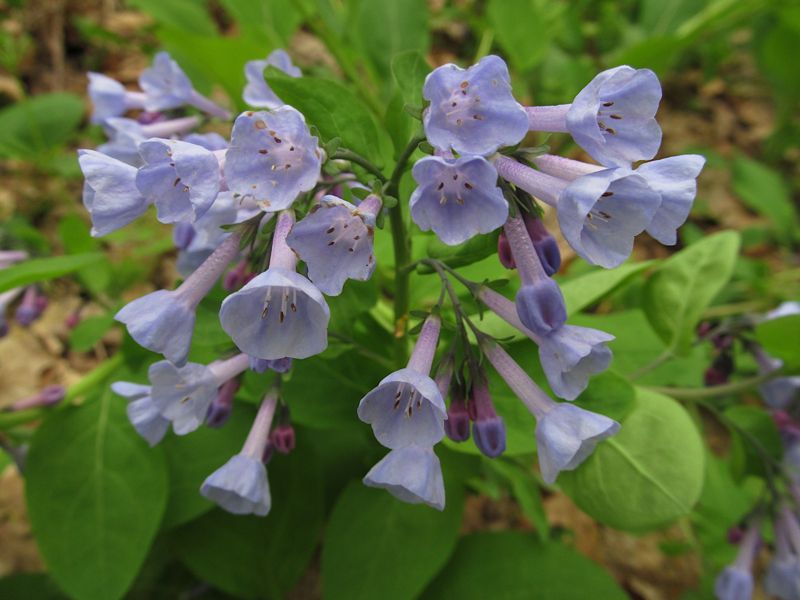
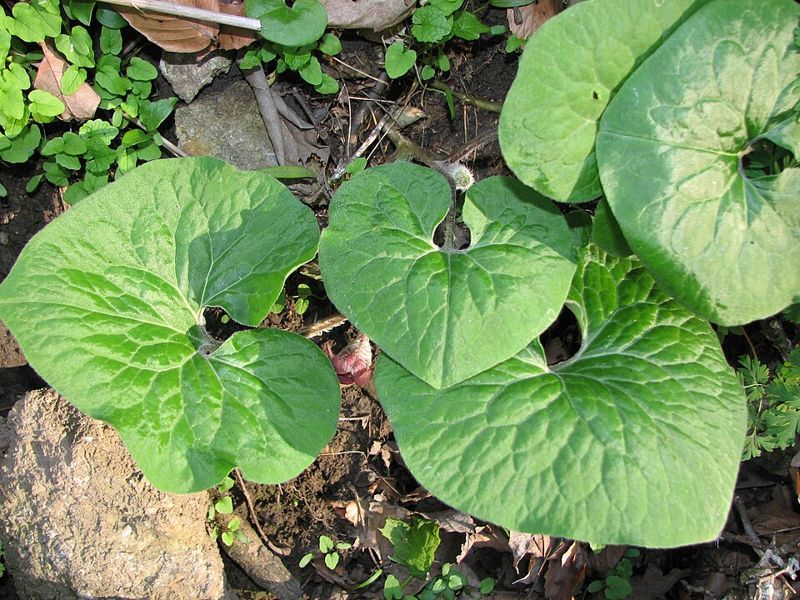
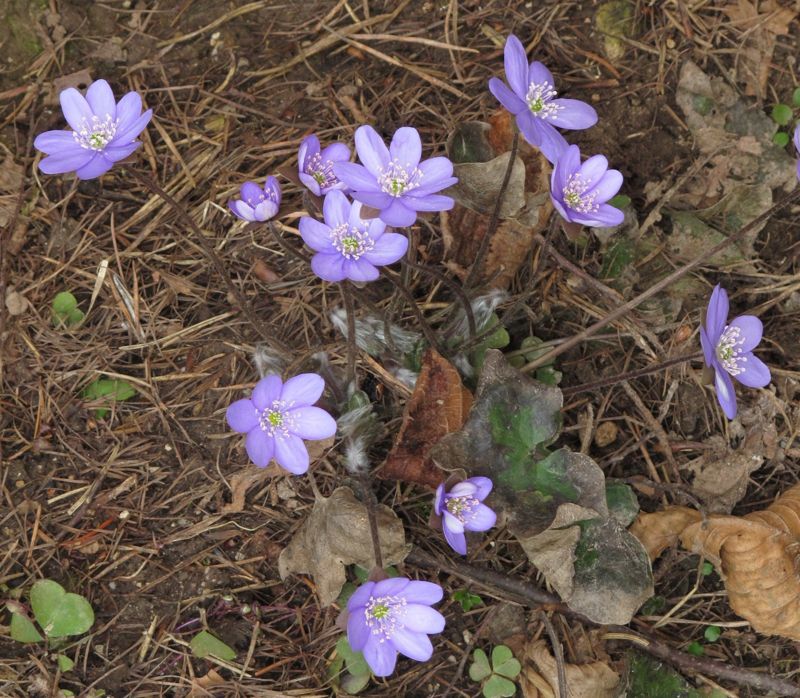
A charming native woodland wildflower that pushes up pastel blue, pink, or white flowers through leaf litter before its own new leaves emerge in spring. Hepatica's lobed leaves were thought to resemble the liver in the Doctrine of Signatures, leading to its name and historical medicinal use. It is a slow-growing but long-lived treasure for shaded rock gardens and woodland plantings.
Growing Conditions
How to Grow Hepatica
Hepatica (Hepatica nobilis) is a forb/herb that grows to about 4 inches tall and 4 inches wide.
To grow hepatica, give it shade or dappled light. It is hardy across USDA hardiness zones 5–9. Plant it in rich, well-drained, humusy woodland soil with neutral to slightly alkaline ph, at a slightly acidic pH of 5.5–7. It does best with even, moderate watering.
Exact sowing, transplanting, and harvest months shift by climate zone — the planting calendar below lays them out for cool through hot regions. Its white, blue, purple flowers appear from March through May, offering high value to pollinators. A plant worth learning slowly, the way it has been used for generations.
Companion Planting & Soil
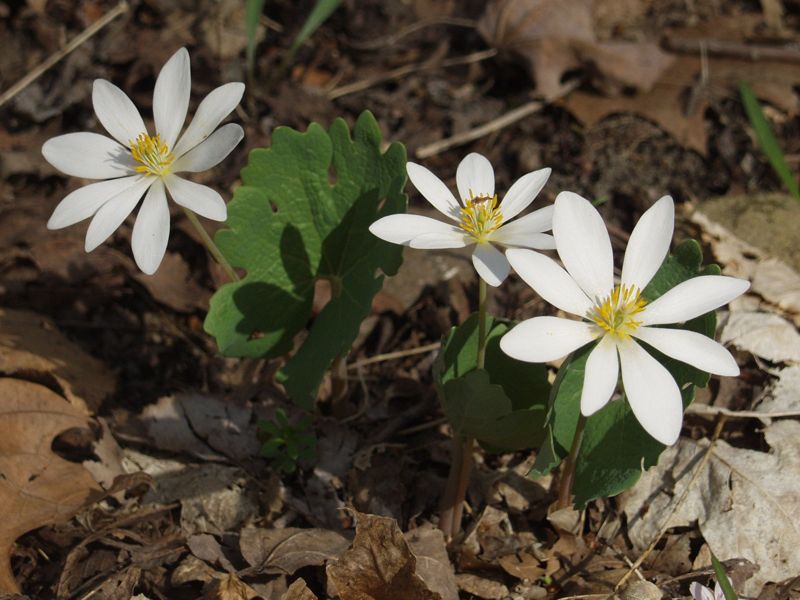
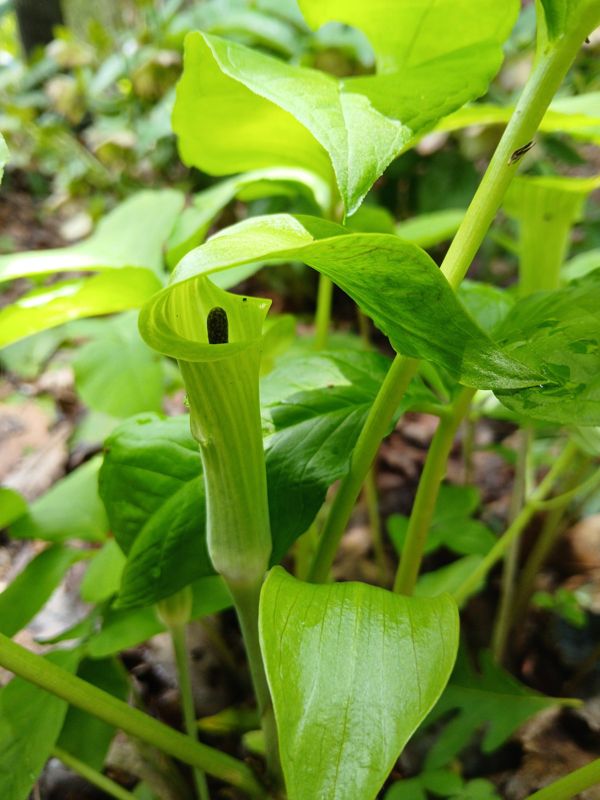
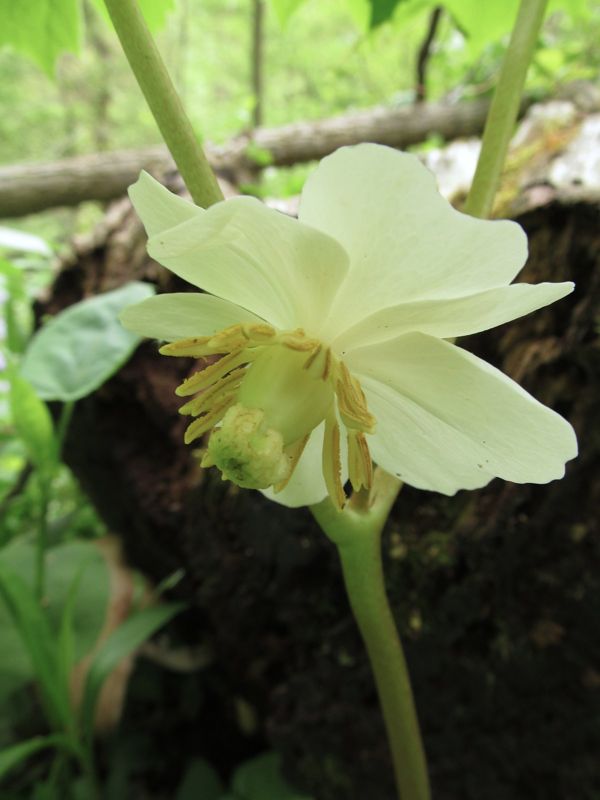
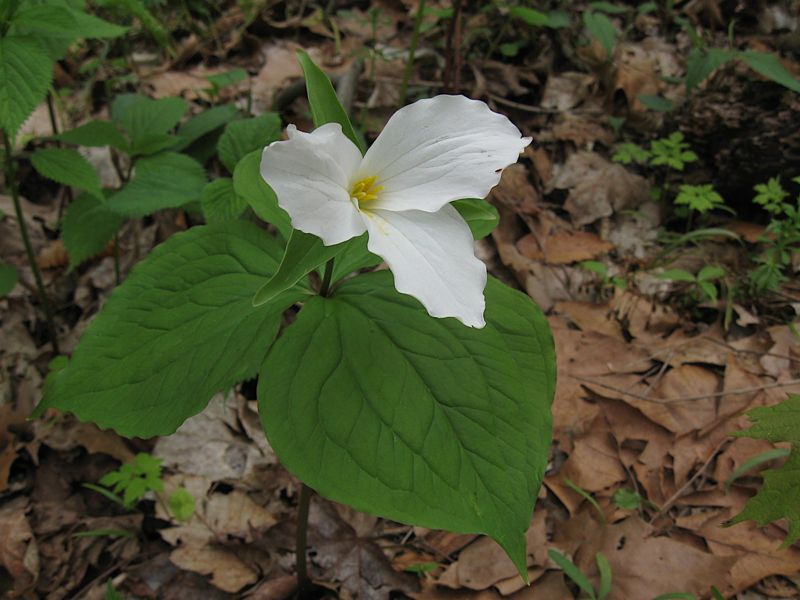
Hepatica grows well alongside trillium, bloodroot, jack-in-the-pulpit, and virginia bluebells.
Good Companions
Planting Calendar
When to sow, transplant, and harvest by growing zone.
| Zone | Action | Months | Notes |
|---|---|---|---|
| Cold (1-2) | Transplant | Sep — Oct | Plant in fall; shallow roots need leaf-litter mulch; one of the earliest spring flowers |
| Cold (1-2) | Bloom | Apr — May | Blue, pink, or white blooms emerge before new leaves; evergreen foliage through winter |
| Cool (3-4) | Transplant | Sep — Oct | Fall planting; moist, humus-rich soil in dappled shade |
| Cool (3-4) | Bloom | Mar — Apr | Among the first spring wildflowers; bloom can start while snow lingers |
| Moderate (5-7) | Transplant | Oct — Nov | Fall plant under deciduous canopy; limestone-derived soil ideal for H. nobilis |
| Moderate (5-7) | Bloom | Feb — Apr | Late winter/early spring bloom; attracts early-emerging bees |
Uses
Medicinal & Folk Use
In herbal and folk tradition, it has been valued in several ways: historical Doctrine of Signatures use for liver ailments (not recommended without professional guidance); some traditional use as a mild astringent. These are traditional uses, not medical advice.
Beyond the Garden
Hepatica earns its keep past the plate, too: treasured native woodland garden plant; slow-spreading ground cover under deciduous trees.
Safety Notes
The plant is poisonous in large doses. The toxic principle is dissipated by heat or drying.
The Field Library
Books from the Futurespore shelf that go deeper on plants like this one.
- Medicinal Herbs: A Beginner's Guide the friendliest on-ramp to growing and using healing herbs at home
- Gaia's Garden home-scale permaculture — guilds, food forests, and beds that tend themselves
These are Bookshop.org affiliate links — they support independent bookstores and earn Futurespore a small commission at no extra cost to you. Browse the full Futurespore Bookshelf.