Overview
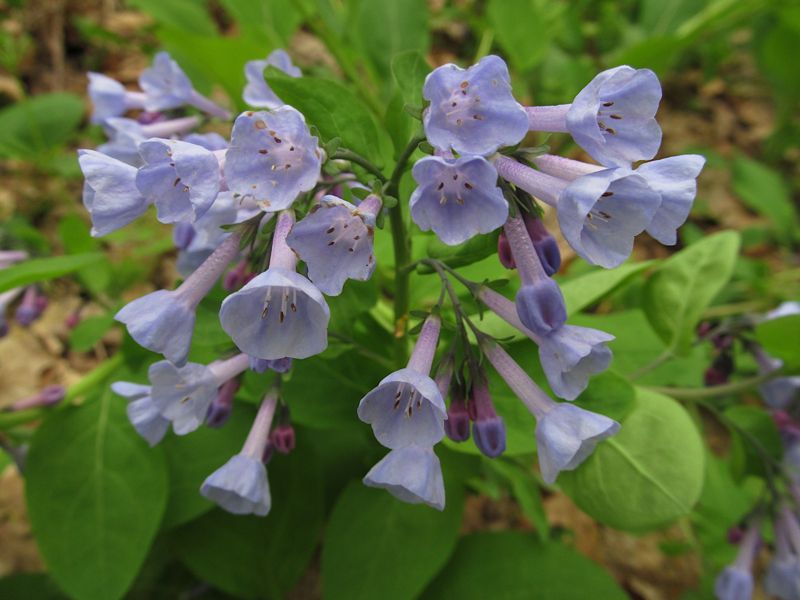
One of the most enchanting spring wildflowers, Virginia bluebells carpet woodland floors with cascading clusters of bell-shaped flowers that open pink and turn vivid sky blue. This native ephemeral completes its entire life cycle in spring, disappearing underground by summer — pair it with ferns and hostas that fill the gap. Entire hillsides of bluebells in bloom is one of nature's most breathtaking spring spectacles.
Growing Conditions
How to Grow Virginia bluebells
Virginia bluebells (Mertensia virginica) is a forb/herb that grows to about 2.5 feet tall and 2 feet wide.
To grow virginia bluebells, give it partial sun to partial shade. It is hardy across USDA hardiness zones 4b–8. Plant it in rich, moist, humusy woodland soil, at a slightly acidic pH of 5.5–7. It does best with consistently moist to wet soil.
Exact sowing, transplanting, and harvest months shift by climate zone — the planting calendar below lays them out for cool through hot regions. Its blue flowers appear from March through May, offering moderate value to pollinators. The details above are a starting point — your ground will teach you the rest.
Companion Planting & Soil
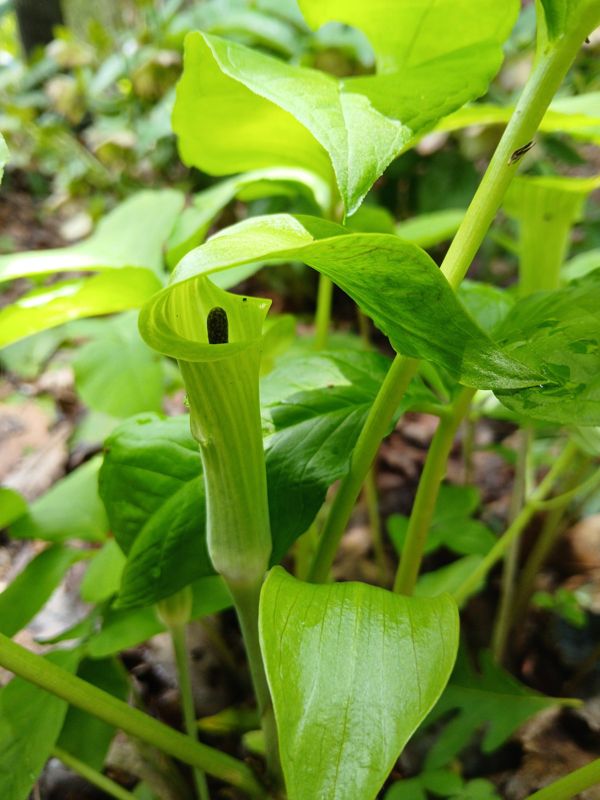
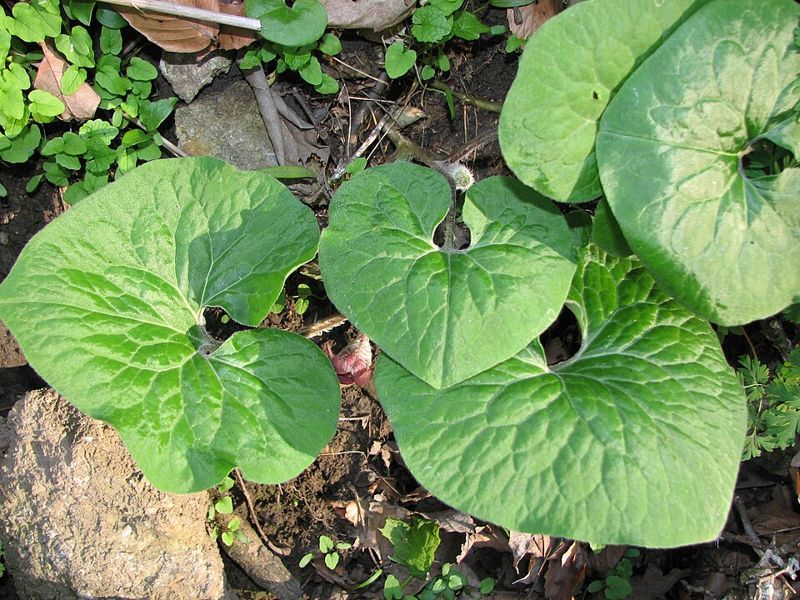
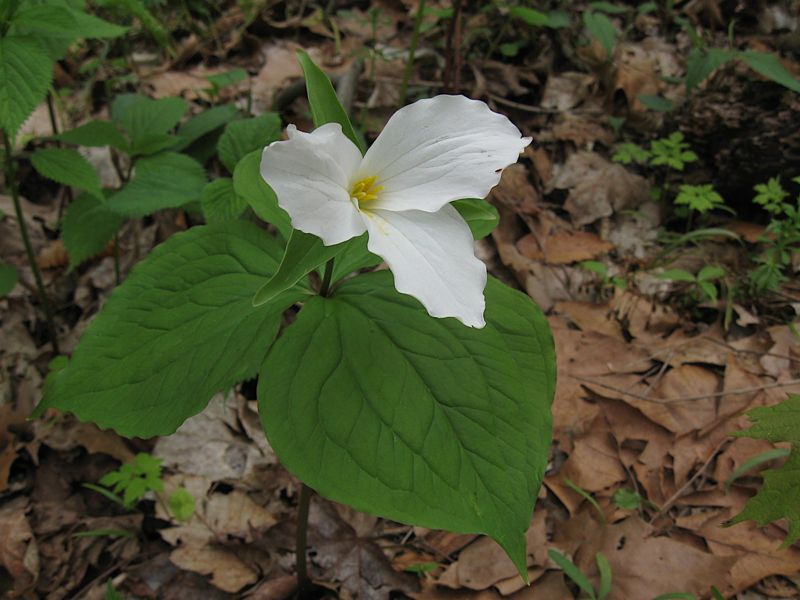
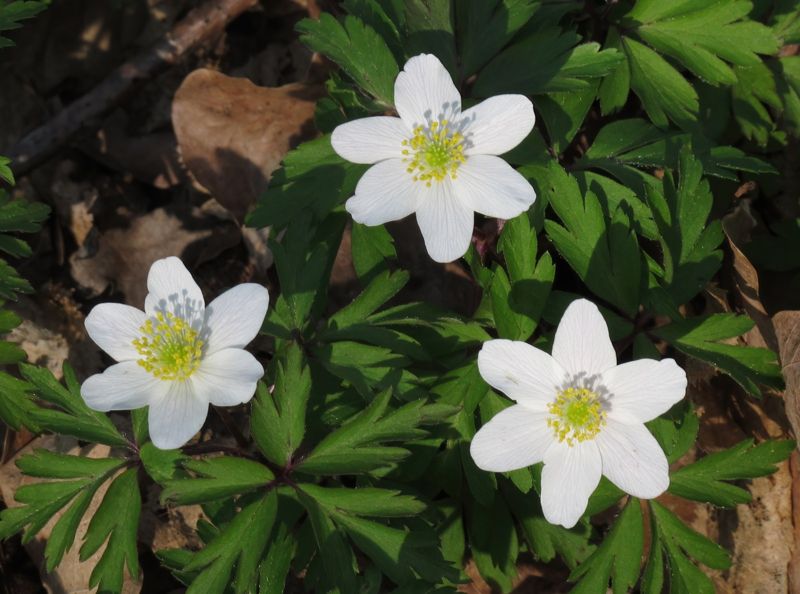
Virginia bluebells grows well alongside fern, hosta, trillium, and bloodroot.
Good Companions
Planting Calendar
When to sow, transplant, and harvest by growing zone.
| Zone | Action | Months | Notes |
|---|---|---|---|
| Cold (1-2) | Transplant | Apr — May | Plant in spring; ephemeral — goes completely dormant by midsummer |
| Cold (1-2) | Bloom | Apr — May | Pink buds open to blue bells; one of the first spring wildflowers |
| Cool (3-4) | Transplant | Mar — Apr | Plant in spring in moist woodland shade; interplant with ferns to fill gap |
| Cool (3-4) | Bloom | Apr — May | Early spring bloom; foliage disappears completely by June — mark location |
| Moderate (5-7) | Transplant | Mar — Apr | Plant in spring or fall; buds open pink, mature to blue; woodland garden essential |
| Moderate (5-7) | Bloom | Mar — May | Spring bloom; moist woodland soil; plant near late-emerging perennials |
| Warm (8-9) | Transplant | Nov — Dec | Plant in fall; needs winter chill; part to full shade |
| Warm (8-9) | Bloom | Feb — Apr | Early spring bloom; dormant by May |
Uses
Beyond the Garden
Virginia bluebells earns its keep past the plate, too: spectacular native spring ephemeral wildflower; naturalizing woodland ground cover; flowers change from pink to blue as they mature.
The Field Library
Books from the Futurespore shelf that go deeper on plants like this one.
- The Resilient Gardener growing staple food through drought, flood, and hard seasons
- Braiding Sweetgrass reframes growing and gathering as a relationship of reciprocity
These are Bookshop.org affiliate links — they support independent bookstores and earn Futurespore a small commission at no extra cost to you. Browse the full Futurespore Bookshelf.