Overview
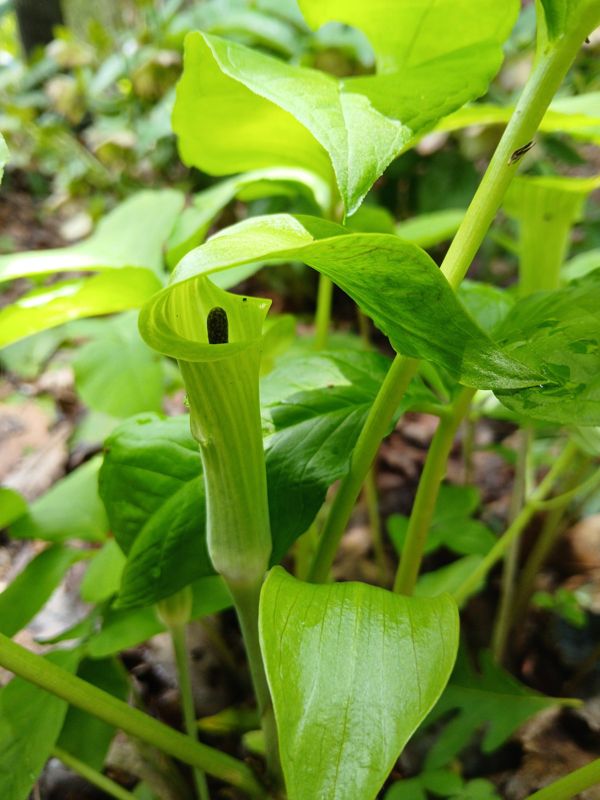
One of the most fascinating native woodland plants, Jack-in-the-pulpit produces a hooded green-and-brown striped structure that shelters the 'Jack' (spadix) within its 'pulpit' (spathe). In fall, a brilliant cluster of red berries replaces the flower. This plant has the remarkable ability to change sex from year to year based on its stored energy — well-nourished plants become female, while stressed ones revert to male.
How to Grow Jack-in-the-pulpit
Plant it in rich, moist, humusy woodland soil with consistent moisture, at a slightly acidic pH of 5–6.5.
Exact sowing, transplanting, and harvest months shift by climate zone — the planting calendar below lays them out for cool through hot regions. It keeps its own chemistry; read the safety notes before any part reaches a plate.
Companion Planting & Soil
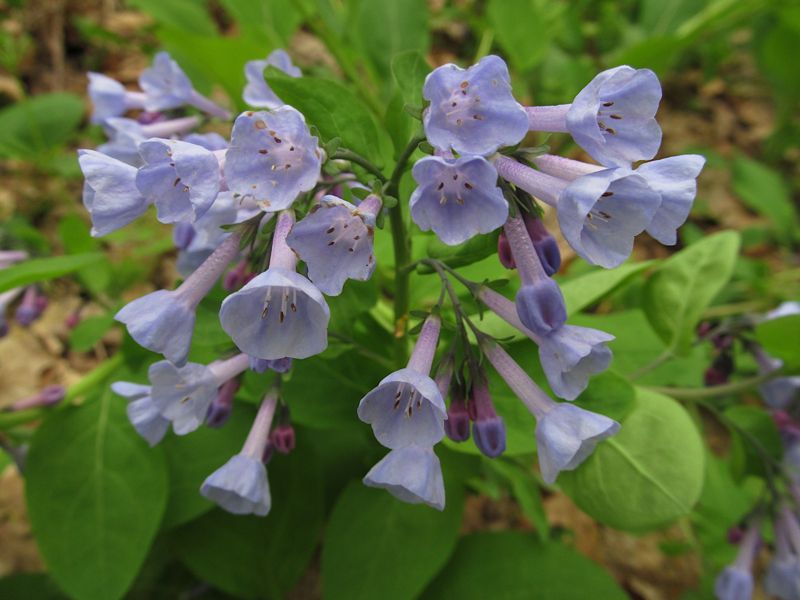
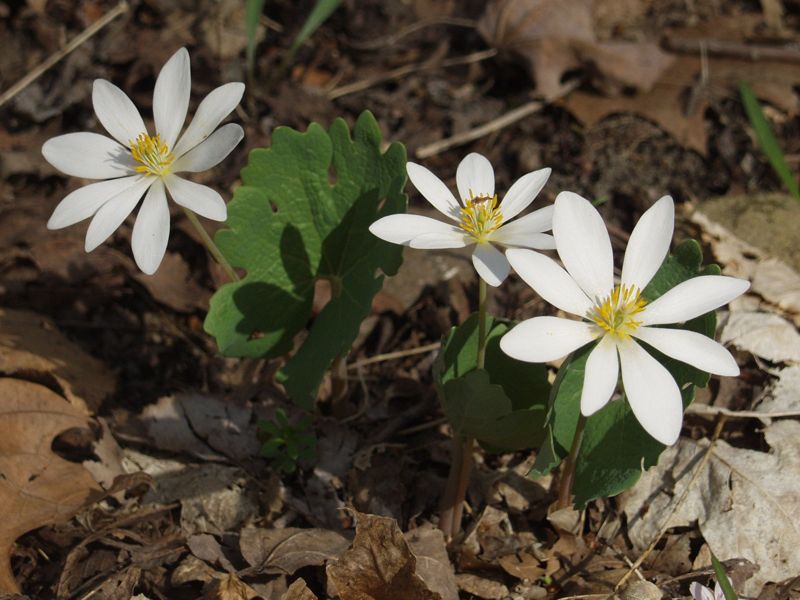
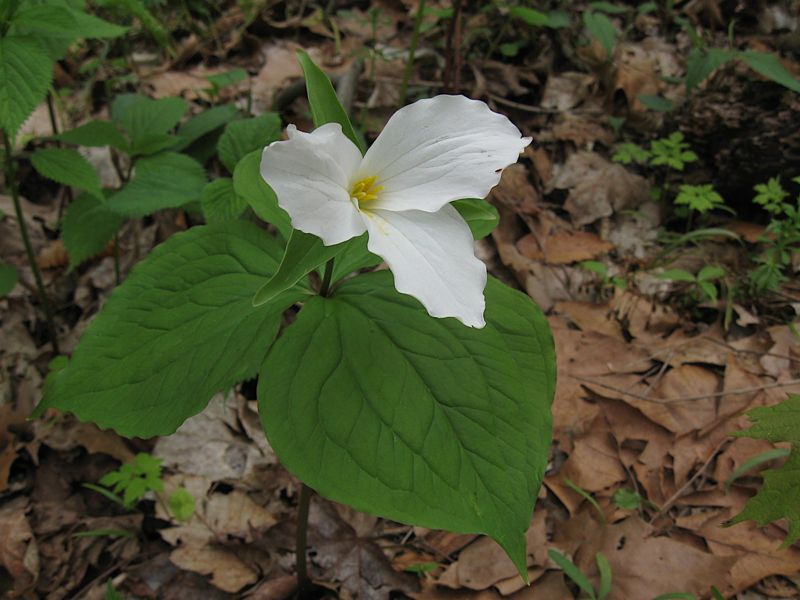
Jack-in-the-pulpit grows well alongside trillium, fern, bloodroot, and virginia bluebells.
Good Companions
Planting Calendar
When to sow, transplant, and harvest by growing zone.
| Zone | Action | Months | Notes |
|---|---|---|---|
| Cold (1-2) | Transplant | Sep — Oct | Plant corms 4-6" deep in fall; moist, shady woodland site |
| Cold (1-2) | Bloom | May — Jun | Hooded spathe shelters the spadix; pollinated by fungus gnats |
| Cool (3-4) | Transplant | Sep — Oct | Fall planting; rich soil with constant moisture; shade essential |
| Cool (3-4) | Bloom | Apr — May | Spring bloom; bright red berry clusters in fall — toxic, do not eat |
| Moderate (5-7) | Transplant | Oct — Nov | Fall plant; sequential hermaphrodite — small plants male, large plants female |
| Moderate (5-7) | Bloom | Apr — May | Spring bloom; caution — all parts contain calcium oxalate crystals |
Uses
Beyond the Garden
Jack-in-the-pulpit earns its keep past the plate, too: fascinating native woodland conversation plant; brilliant red berry clusters in fall; shade garden specimen with unique flower structure.
Safety Notes
The whole plant is loaded with calcium oxalate crystals — a bite of the raw corm feels like chewing needles and can swell the mouth and throat. Indigenous peoples ate the corms only after months of drying; treat it as not edible.
The Field Library
Books from the Futurespore shelf that go deeper on plants like this one.
- The Resilient Gardener growing staple food through drought, flood, and hard seasons
- Braiding Sweetgrass reframes growing and gathering as a relationship of reciprocity
These are Bookshop.org affiliate links — they support independent bookstores and earn Futurespore a small commission at no extra cost to you. Browse the full Futurespore Bookshelf.