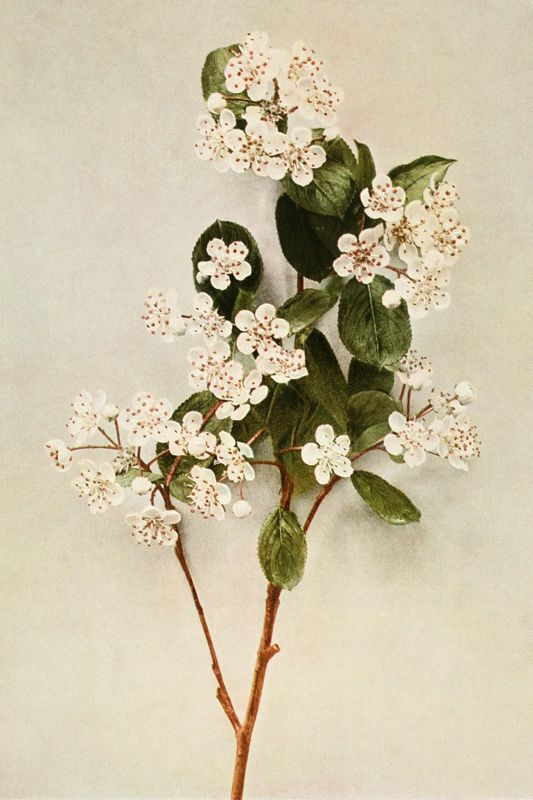
 Homer D. House, New York State Botanist. Walter B. Starr of the Matthews-Northr / Public domain · Source
Aronia
Aronia melanocarpa
Overview
Also known as chokeberry, aronia is a native North American shrub that produces some of the highest antioxidant levels of any fruit on earth. Its dark purple-black berries are intensely astringent when raw but transform into deeply flavored jams, wines, and health elixirs. Aronia is incredibly cold-hardy, disease-resistant, and virtually maintenance-free.
Growing Conditions
How to Grow Aronia
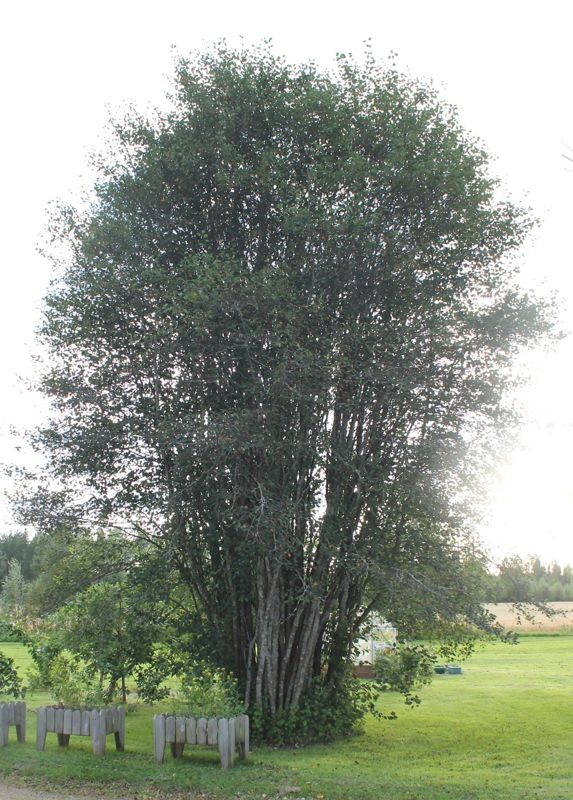
Aronia (Aronia melanocarpa) is a shrub that grows to about 13 feet tall and 10 feet wide.
To grow aronia, give it partial sun to partial shade. It is hardy across USDA hardiness zones 2–7. Plant it in moist, acidic, well-drained soil; tolerates wet conditions, at a acidic pH of 4.5–6.5. It does best with even, moderate watering.
Exact sowing, transplanting, and harvest months shift by climate zone — the planting calendar below lays them out for cool through hot regions. Its flowers appear from April through April, offering high value to pollinators. Once its roots take hold, it asks little of you.
Companion Planting & Soil
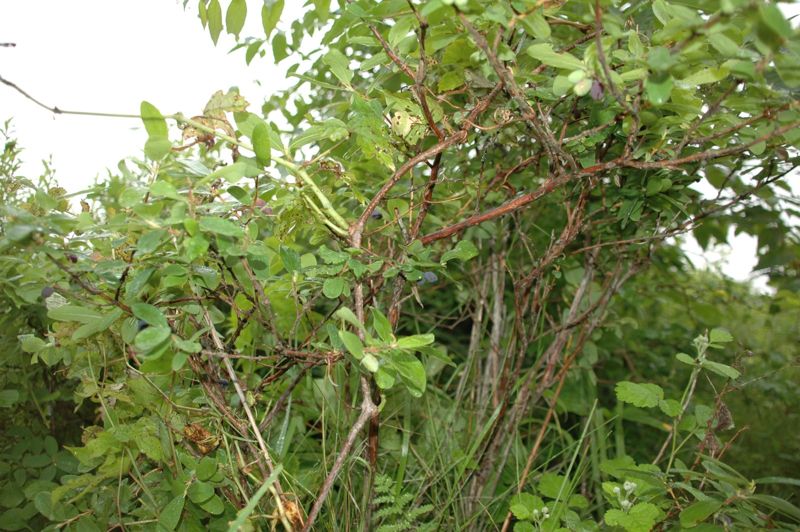
Aronia grows well alongside blueberry, serviceberry, elderberry, and clover.
Good Companions
Planting Calendar
When to sow, transplant, and harvest by growing zone.
| Zone | Action | Months | Notes |
|---|---|---|---|
| Cold (1-2) | Transplant | Apr — May | Plant in spring; extremely cold hardy; adaptable to wet or dry soil; full sun to part shade |
| Cold (1-2) | Harvest | Aug — Sep | Harvest when fully black; extremely astringent raw — best frozen, juiced, or dried |
| Cold (1-2) | Bloom | May — Jun | White flower clusters attract native bees; ornamental spring display |
| Cool (3-4) | Transplant | Mar — Apr | Plant in spring; self-fertile; low-maintenance native shrub |
| Cool (3-4) | Harvest | Aug — Sep | Harvest in late summer; highest antioxidant level of any temperate fruit |
| Cool (3-4) | Bloom | Apr — May | Spring bloom; self-fertile but yields better with cross-pollination |
| Moderate (5-7) | Transplant | Mar — Apr | Plant in spring; tolerates clay; brilliant red fall foliage |
| Moderate (5-7) | Harvest | Jul — Aug | Harvest when berries are deep purple-black; process into wine, jam, or syrup |
| Warm (8-9) | Transplant | Feb — Mar | Plant in late winter; may need irrigation in hot summers |
| Warm (8-9) | Harvest | Jul — Aug | Harvest midsummer; birds mostly ignore the berries — no netting needed |
Uses
In the Kitchen
In the kitchen, aronia turns up in more than one form: jams, jellies, and fruit syrups; juice blended with sweeter fruits; dried berries added to trail mix and granola.
Medicinal & Folk Use
In herbal and folk tradition, it has been valued in several ways: exceptionally high in anthocyanins and antioxidants; supports cardiovascular health and blood pressure regulation; traditional use for immune system support. These are traditional uses, not medical advice.
Beyond the Garden
Aronia earns its keep past the plate, too: wildlife food source for birds; beautiful fall foliage in brilliant red; hedge and windbreak plantings.
The Field Library
Books from the Futurespore shelf that go deeper on plants like this one.
- The Modern Herbal Dispensatory a working reference for tinctures, salves, and doses once you get serious
- Northeast Foraging region-tuned wild food guidance with clear lookalike warnings
- Braiding Sweetgrass reframes growing and gathering as a relationship of reciprocity
These are Bookshop.org affiliate links — they support independent bookstores and earn Futurespore a small commission at no extra cost to you. Browse the full Futurespore Bookshelf.