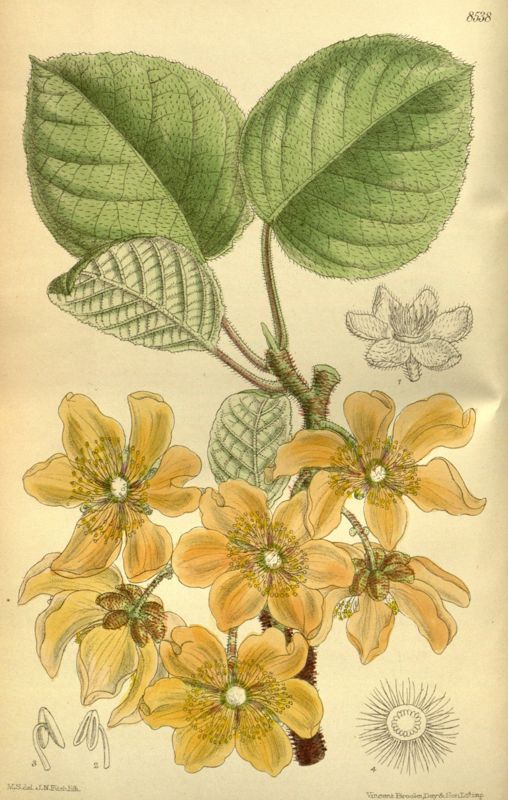
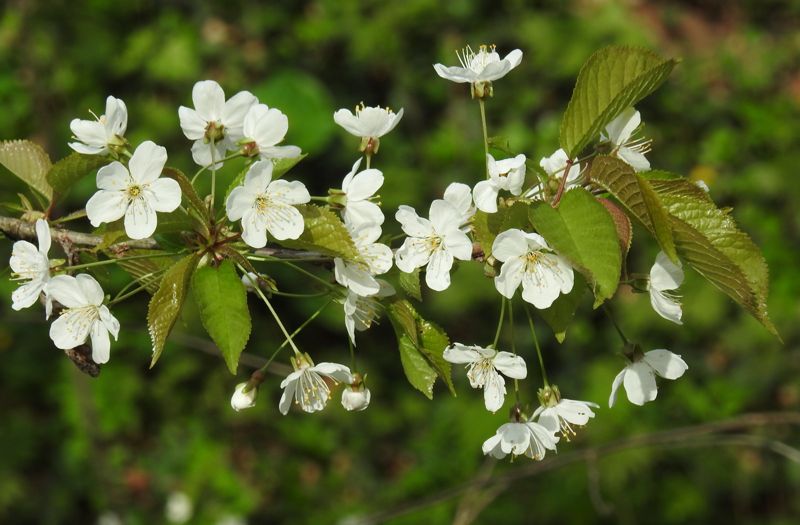
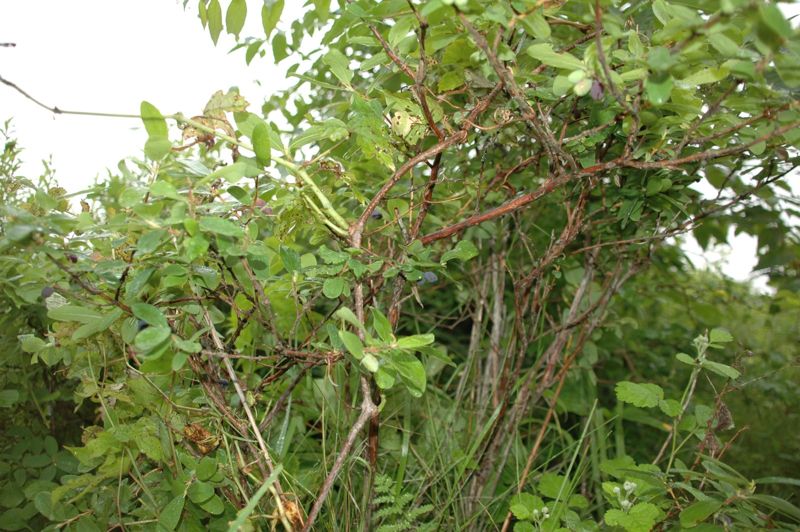
 ほくなん / Public domain · Source
Honeyberry
Lonicera caerulea
Overview
Also called haskap, honeyberry is an extremely cold-hardy honeysuckle relative that produces elongated blue berries with a complex flavor blending blueberry, raspberry, and plum. Some varieties can survive temperatures as low as -55°F, making them the ultimate cold-climate berry crop. Honeyberries are among the earliest fruits to ripen in spring, often weeks before strawberries.
How to Grow Honeyberry
Plant it in moist, well-drained, fertile soil; adaptable, at a slightly acidic pH of 5.5–7.5.
Exact sowing, transplanting, and harvest months shift by climate zone — the planting calendar below lays them out for cool through hot regions. The details above are a starting point — your ground will teach you the rest.
Companion Planting & Soil
Honeyberry grows well alongside blueberry, currant, clover, and comfrey.
Good Companions
Planting Calendar
When to sow, transplant, and harvest by growing zone.
| Zone | Action | Months | Notes |
|---|---|---|---|
| Cold (1-2) | Transplant | Apr — May | Plant bare-root in spring; hardy to zone 2; needs 2 varieties for pollination |
| Cold (1-2) | Harvest | Jun — Jul | Harvest when berries are fully blue and easily detach; taste test — unripe is bitter |
| Cold (1-2) | Prune | Mar — Apr | Prune while dormant; thin crowded branches; no heavy pruning first 3 years |
| Cool (3-4) | Transplant | Mar — Apr | Plant in early spring; one of the first fruits to ripen |
| Cool (3-4) | Harvest | May — Jun | Among the earliest fruit to ripen; harvest when fully colored |
| Cool (3-4) | Prune | Feb — Mar | Light pruning for shape; remove crossing branches |
| Moderate (5-7) | Transplant | Feb — Mar | Plant in late winter; prefers cold climates with chill hours |
| Moderate (5-7) | Harvest | May — Jun | Harvest when berries are deep blue throughout; blueberry-like flavor |
| Moderate (5-7) | Prune | Jan — Feb | Winter pruning; remove oldest wood |
| Warm (8-9) | Transplant | Dec — Jan (wraps) | Marginal in warm zones; needs 800+ chill hours |
Uses
In the Kitchen
In the kitchen, honeyberry turns up in more than one form: fresh eating when fully ripe and sweet; jams, jellies, and sauces; frozen for smoothies and baking.
Medicinal & Folk Use
In herbal and folk tradition, it has been valued in several ways: high in anthocyanins and antioxidants like blueberries; rich in vitamin C and bioflavonoids; supports cardiovascular and immune health. These are traditional uses, not medical advice.
Beyond the Garden
Honeyberry earns its keep past the plate, too: earliest ripening fruit crop in temperate climates; extremely cold-hardy edible landscape shrub.
Safety Notes
Only the blue-berried honeyberry (Lonicera caerulea) is edible. The red or orange berries on ornamental honeysuckles are mildly toxic — do not browse random honeysuckle fruit.
The Field Library
Books from the Futurespore shelf that go deeper on plants like this one.
- Edible Wild Plants a photographic guide organized by season — good for checking an ID twice in the field
- The Resilient Gardener growing staple food through drought, flood, and hard seasons
These are Bookshop.org affiliate links — they support independent bookstores and earn Futurespore a small commission at no extra cost to you. Browse the full Futurespore Bookshelf.