 Jonas Bergsten / Public domain · Source
Lingonberry
Vaccinium vitis-idaea
Overview
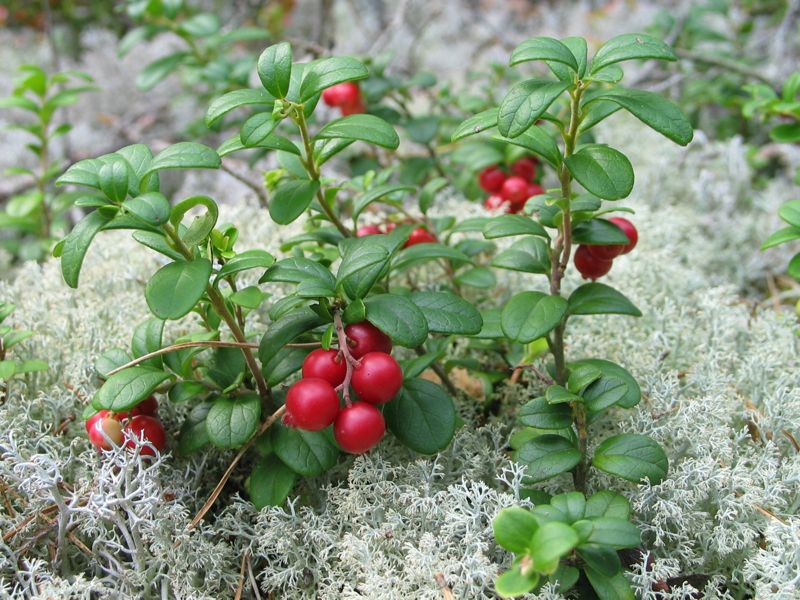
The iconic Scandinavian berry that accompanies Swedish meatballs, lingonberry grows wild across the boreal forests of the Northern Hemisphere. These low, evergreen shrubs produce tart, ruby-red berries rich in benzoic acid — a natural preservative that allows them to keep for months without processing. Lingonberries are extremely cold-hardy and make excellent ground cover in acidic soils.
Growing Conditions
How to Grow Lingonberry
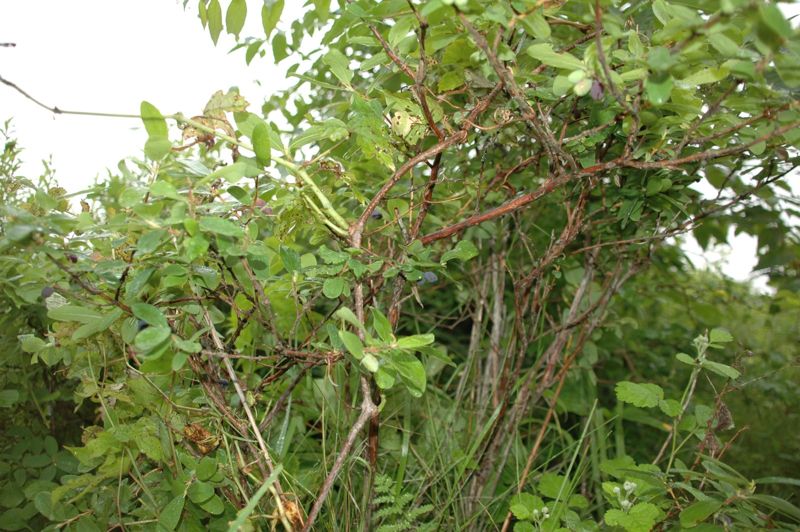
Lingonberry (Vaccinium vitis-idaea) is a shrub that grows to about 6 inches tall and 3 feet wide.
To grow lingonberry, give it partial sun to partial shade. It is hardy across USDA hardiness zones 1a–8. Plant it in acidic, humus-rich, well-drained sandy soil, at a acidic pH of 4–5.5. It does best with even, moderate watering.
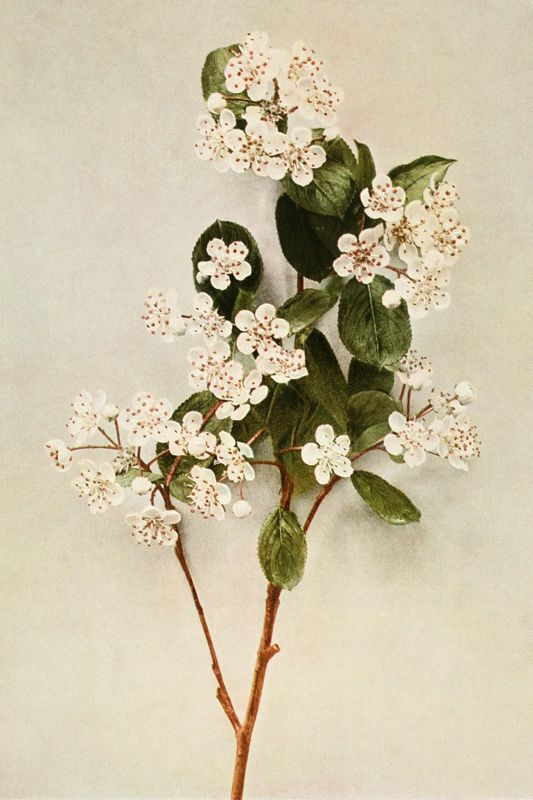
Exact sowing, transplanting, and harvest months shift by climate zone — the planting calendar below lays them out for cool through hot regions. Its white flowers appear from June through August, offering high value to pollinators. A generous plant — a harvest for you, and forage for the pollinators.
Companion Planting & Soil
Lingonberry grows well alongside blueberry, cranberry, and rhododendron.
Good Companions
Planting Calendar
When to sow, transplant, and harvest by growing zone.
| Zone | Action | Months | Notes |
|---|---|---|---|
| Cold (1-2) | Transplant | May — Jun | Plant in spring; acidic soil essential (pH 4.5-5.5); partial shade; extremely cold hardy |
| Cold (1-2) | Harvest | Aug — Sep | Harvest after first frost sweetens berries; tart — use for preserves, sauces |
| Cold (1-2) | Bloom | May — Jun | Small white-pink bell flowers; self-fertile but cross-pollination improves yield |
| Cool (3-4) | Transplant | Apr — May | Plant in spring; amend with peat; evergreen groundcover 12-18" tall |
| Cool (3-4) | Harvest | Jul — Sep | Harvest when uniformly red; two crops possible — summer and late fall |
| Cool (3-4) | Bloom | Apr — May | Spring bloom; may produce a second smaller crop in fall |
| Moderate (5-7) | Transplant | Mar — Apr | Plant in spring; similar care to blueberry but more shade-tolerant |
| Moderate (5-7) | Harvest | Jul — Aug | Harvest in summer; struggles in hot summers — mulch heavily |
Uses
In the Kitchen
In the kitchen, lingonberry turns up in more than one form: classic lingonberry jam for meatballs, pancakes, and cheese; juice and cordials; baked into pies, tarts, and Scandinavian pastries.
Medicinal & Folk Use
In herbal and folk tradition, it has been valued in several ways: high in benzoic acid — a natural preservative; rich in vitamin C and manganese; anthocyanins and quercetin support cardiovascular health. These are traditional uses, not medical advice.
Beyond the Garden
Lingonberry earns its keep past the plate, too: evergreen ground cover for acidic soils; attractive ornamental with both flowers and fruit.
Safety Notes
The berries are entirely safe. The traditional leaf tea contains arbutin and should not be drunk regularly.
The Field Library
Books from the Futurespore shelf that go deeper on plants like this one.
- Medicinal Herbs: A Beginner's Guide the friendliest on-ramp to growing and using healing herbs at home
- Edible Wild Plants a photographic guide organized by season — good for checking an ID twice in the field
- The Resilient Gardener growing staple food through drought, flood, and hard seasons
These are Bookshop.org affiliate links — they support independent bookstores and earn Futurespore a small commission at no extra cost to you. Browse the full Futurespore Bookshelf.