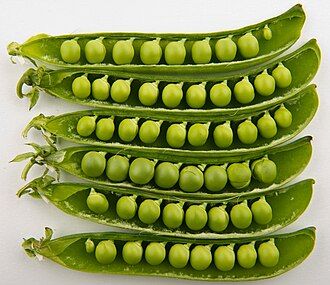
 Bill Ebbesen / CC BY-SA 3.0
Austrian winter peaWhen to plant, zone by zone
Overview
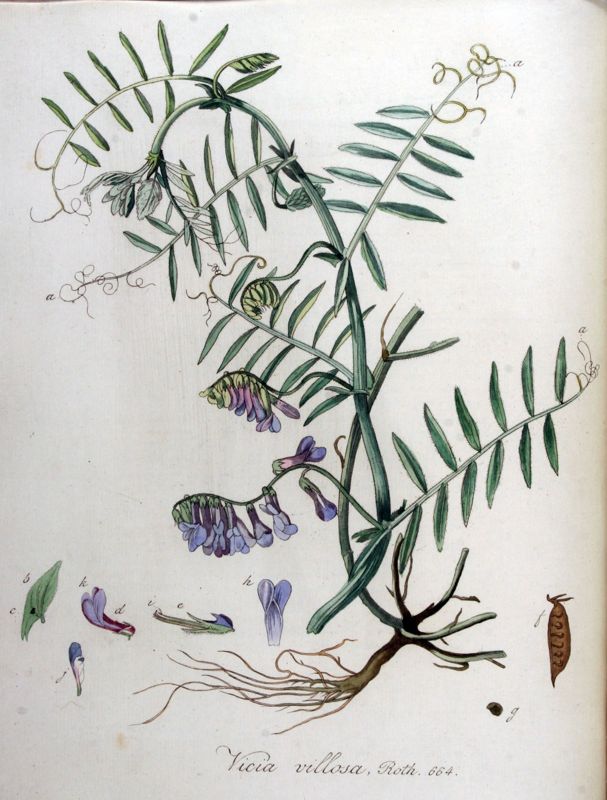
A cold-hardy legume cover crop that fixes atmospheric nitrogen into plant-available forms in the soil. Austrian winter peas can add 100-150 pounds of nitrogen per acre, dramatically reducing the need for synthetic fertilizers. They also produce biomass that improves soil structure and feeds soil microorganisms when turned under in spring.
How to Grow Austrian winter pea
Plant it in adaptable; performs well in most well-drained soils, at a slightly acidic pH of 5.5–7.
Exact sowing, transplanting, and harvest months shift by climate zone — the planting calendar below lays them out for cool through hot regions. Give it what it asks for here, and it will find its place in the garden.
Companion Planting & Soil
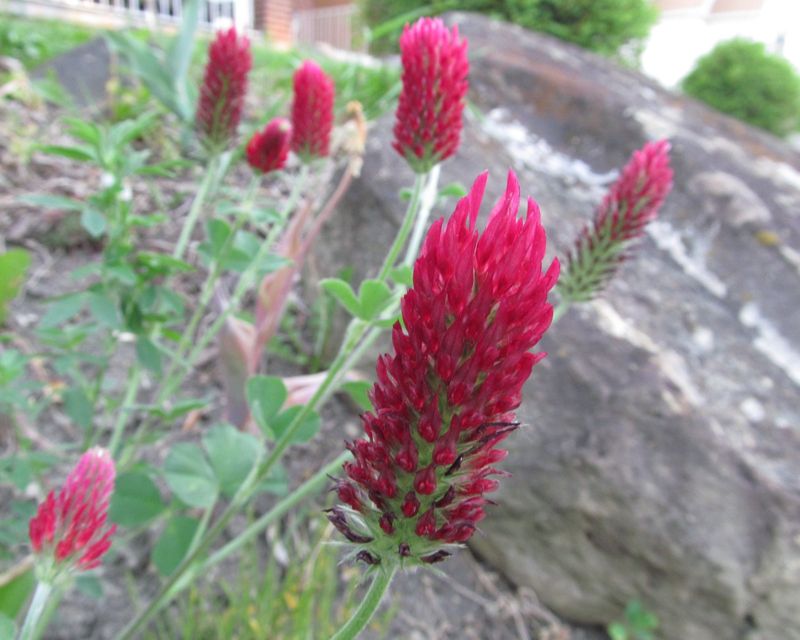
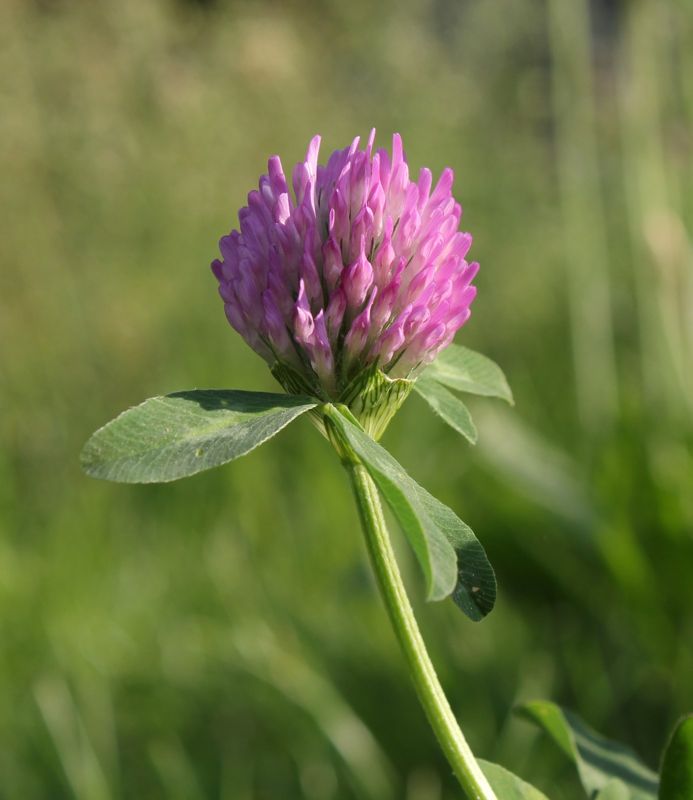
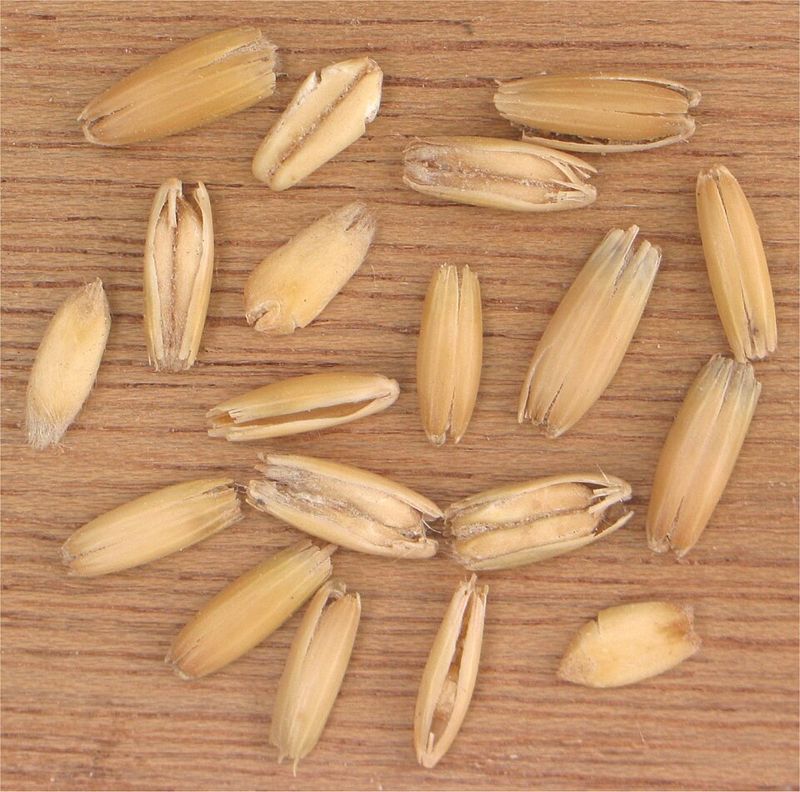
Austrian winter pea grows well alongside annual ryegrass, oats, crimson clover, and winter rye.
Good Companions
Planting Calendar
When to sow, transplant, and harvest by growing zone.
| Zone | Action | Months | Notes |
|---|---|---|---|
| Cold (1-2) | Direct Sow | Aug — Sep | Fall sow; cold-hardy legume; nitrogen fixer; may winterkill in zone 1-2 |
| Cold (1-2) | Harvest | May — Jun | Mow at bloom; incorporate for nitrogen; or let winterkill for dead mulch |
| Cool (3-4) | Direct Sow | Aug — Sep | Fall sow; more cold-hardy than hairy vetch; fixes nitrogen |
| Cool (3-4) | Harvest | Apr — May | Terminate at flowering for maximum nitrogen fixation |
| Moderate (5-7) | Direct Sow | Sep — Oct | Fall sow; grows through winter; mix with oats or rye for support |
| Moderate (5-7) | Harvest | Mar — Apr | Mow or incorporate at bloom; releases nitrogen as residue decomposes |
| Warm (8-9) | Direct Sow | Oct — Nov | Fall sow; vigorous winter growth |
| Warm (8-9) | Harvest | Feb — Mar | Terminate before seed set |
| Hot (10+) | Direct Sow | Oct — Dec | Fall/winter sow; blooms in early spring |
| Hot (10+) | Harvest | Jan — Feb | Terminate in late winter |
Austrian winter pea Questions
When should you plant Austrian winter pea?
Cold (1-2) — direct sow August–September; Cool (3-4) — direct sow August–September; Moderate (5-7) — direct sow September–October; Warm (8-9) — direct sow October–November; Hot (10+) — direct sow October–December. Shift these with your own last-frost date; the full table sits in the planting calendar below.
When is Austrian winter pea ready to harvest?
Cold (1-2) — May–June; Cool (3-4) — April–May; Moderate (5-7) — March–April; Warm (8-9) — February–March; Hot (10+) — January–February.
Is Austrian winter pea edible?
Yes — edible parts: Young shoots, tendrils and pods.
What grows well with Austrian winter pea?
Annual ryegrass, Oats, Crimson clover, and Winter rye.
Uses
Beyond the Garden
Austrian winter pea earns its keep past the plate, too: nitrogen-fixing green manure cover crop; erosion control and weed suppression; forage crop for livestock and wildlife.
The Field Library
Books from the Futurespore shelf that go deeper on plants like this one.
- Gaia's Garden home-scale permaculture — guilds, food forests, and beds that tend themselves
- The Resilient Gardener growing staple food through drought, flood, and hard seasons
These are Bookshop.org affiliate links — they support independent bookstores and earn Futurespore a small commission at no extra cost to you. Browse the full Futurespore Bookshelf.