Overview
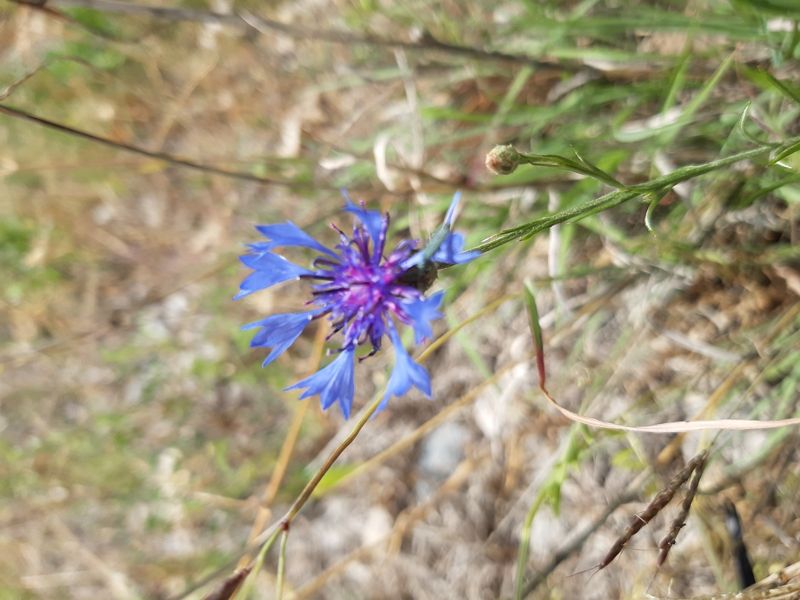
Also known as cornflower, this charming annual was once so common in European grain fields that it became the national flower of several countries. Its brilliant blue petals are a true blue — one of the rarest colors in the plant kingdom. Bachelor buttons are edible, easy to grow, and self-seed freely, making them a carefree addition to wildflower meadows and cottage gardens.
How to Grow Bachelor button
Plant it in average, well-drained soil; tolerates poor soils, at a slightly acidic pH of 6–7.5.
Exact sowing, transplanting, and harvest months shift by climate zone — the planting calendar below lays them out for cool through hot regions. Give it what it asks for here, and it will find its place in the garden.
Companion Planting & Soil
Bachelor button grows well alongside poppy, cosmos, nasturtium, and borage.
Good Companions
Planting Calendar
When to sow, transplant, and harvest by growing zone.
| Zone | Action | Months | Notes |
|---|---|---|---|
| Cold (1-2) | Direct Sow | May — Jun | Direct sow after last frost; scatter seeds; self-sows freely |
| Cold (1-2) | Harvest | Jun — Aug | Cut when flowers are 3/4 open; edible petals for salads |
| Cool (3-4) | Direct Sow | Mar — May | Direct sow in early spring; prefers cool weather |
| Cool (3-4) | Harvest | May — Jul | Harvest blooms regularly; self-sows for next year |
| Moderate (5-7) | Direct Sow | Feb — Apr | Sow in late winter/spring; also fall sow for early bloom |
| Moderate (5-7) | Direct Sow | Sep — Oct | Fall sowing for early spring flowers |
| Moderate (5-7) | Harvest | Apr — Jun | Deadhead for extended bloom |
| Warm (8-9) | Direct Sow | Sep — Nov | Fall sow for winter/spring bloom |
| Warm (8-9) | Harvest | Nov — Apr (wraps) | Blooms through cool months |
| Hot (10+) | Direct Sow | Oct — Dec | Fall sow; cool-season annual |
| Hot (10+) | Harvest | Dec — Mar (wraps) | Winter/early spring bloom |
Uses
In the Kitchen
In the kitchen, bachelor button turns up in more than one form: edible petals as garnish for salads, cakes, and cocktails; dried flowers used in herbal tea blends; natural blue food coloring.
Beyond the Garden
Bachelor button earns its keep past the plate, too: attracts pollinators and beneficial insects; cut flowers with excellent vase life; natural dye yielding blue and green tones.
The Field Library
Books from the Futurespore shelf that go deeper on plants like this one.
- Northeast Foraging region-tuned wild food guidance with clear lookalike warnings
- Braiding Sweetgrass reframes growing and gathering as a relationship of reciprocity
These are Bookshop.org affiliate links — they support independent bookstores and earn Futurespore a small commission at no extra cost to you. Browse the full Futurespore Bookshelf.