Overview
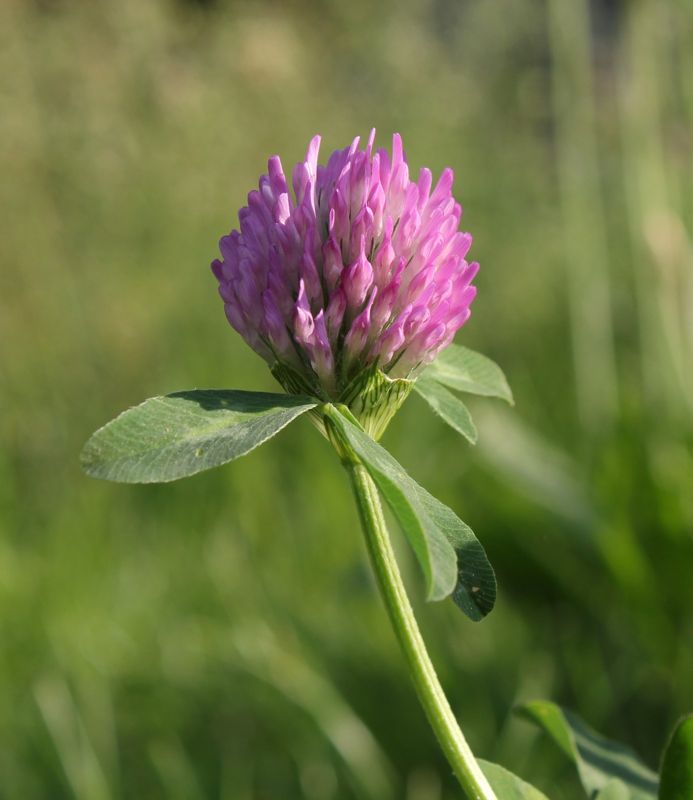
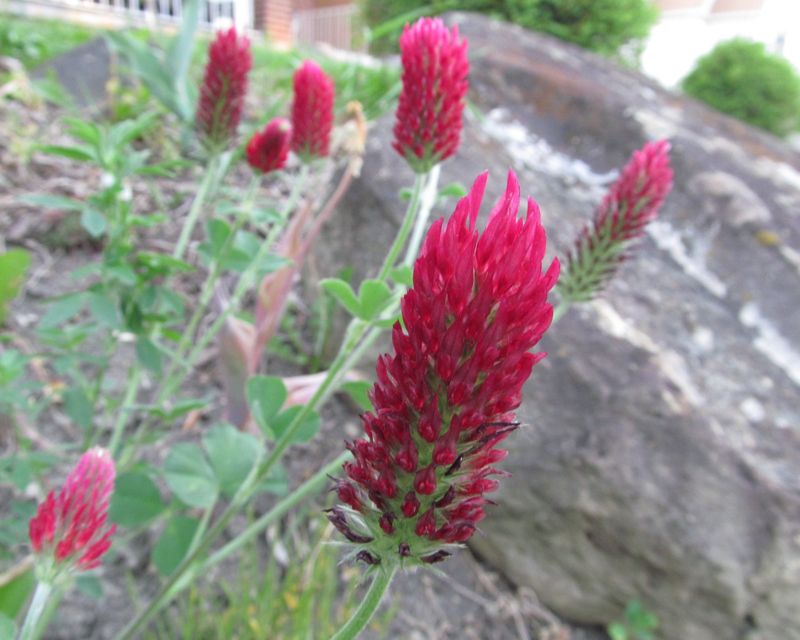
A stunning cover crop that produces cone-shaped crimson flower heads so vivid they look painted, beloved by gardeners and farmers alike. Crimson clover fixes substantial nitrogen in the soil while providing one of the most beautiful cover crop displays imaginable. It's a cool-season annual that winter-kills in cold climates or can be mowed before setting seed in milder areas.
Growing Conditions
How to Grow Crimson clover
Crimson clover (Trifolium incarnatum) is an annual vine that grows to about 2 feet tall and 1.5 feet wide.
To grow crimson clover, give it full sun. It is hardy across USDA hardiness zones 8b–8. Plant it in well-drained loam or sandy soil; adaptable, at a slightly acidic pH of 5.5–7. It does best with even, moderate watering.
Exact sowing, transplanting, and harvest months shift by climate zone — the planting calendar below lays them out for cool through hot regions. Its red flowers appear from March through April, offering high value to pollinators. A generous plant — a harvest for you, and forage for the pollinators.
Companion Planting & Soil
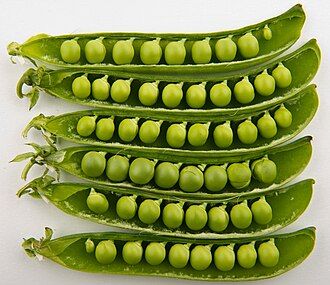
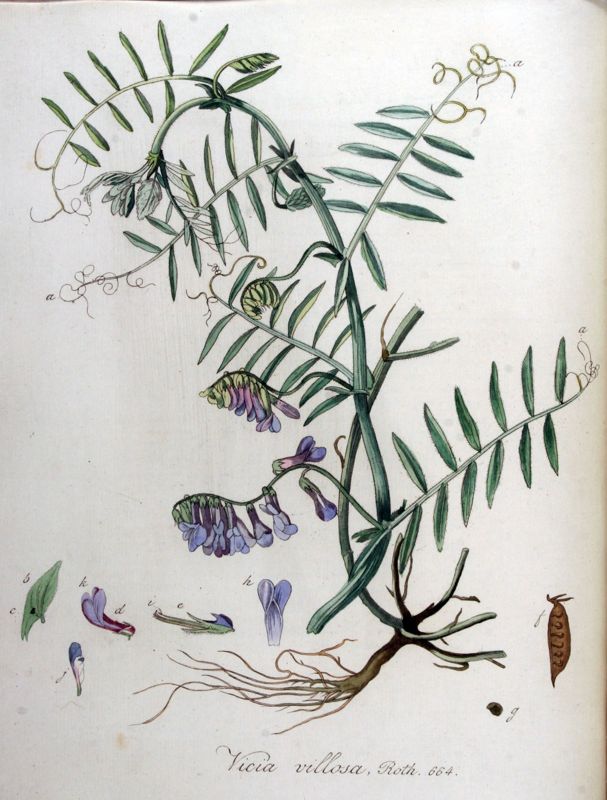
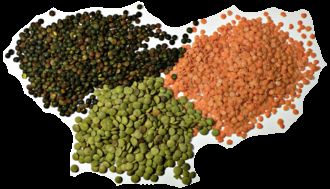
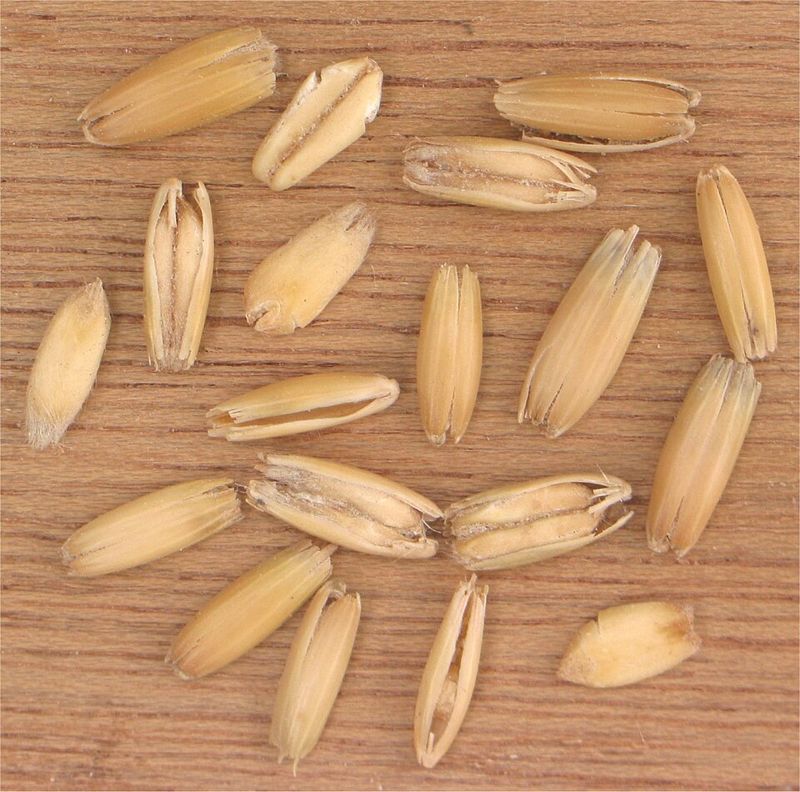
Crimson clover grows well alongside oats, annual ryegrass, and austrian winter pea.
Good Companions
Planting Calendar
When to sow, transplant, and harvest by growing zone.
| Zone | Action | Months | Notes |
|---|---|---|---|
| Cold (1-2) | Direct Sow | May — Jun | Direct sow as spring cover crop; annual legume; nitrogen fixer; crimson flowers |
| Cold (1-2) | Direct Sow | Aug — Aug | Late summer sow; may winterkill in zones 1-2 — provides dead mulch |
| Cool (3-4) | Direct Sow | Mar — Apr | Spring sow for summer green manure; or fall sow for overwintering |
| Cool (3-4) | Direct Sow | Aug — Sep | Fall sow; overwinters in zone 4+ with snow cover |
| Moderate (5-7) | Direct Sow | Sep — Oct | Fall sow; overwinters and blooms in spring; mow before seed set to terminate |
| Moderate (5-7) | Harvest | Apr — May | Mow or till in at early bloom stage 2-3 weeks before planting cash crop |
| Warm (8-9) | Direct Sow | Sep — Nov | Fall sow; excellent winter cover; fixes 70-150 lbs nitrogen per acre |
| Warm (8-9) | Harvest | Mar — Apr | Terminate at peak bloom; let decompose 2 weeks before planting |
| Hot (10+) | Direct Sow | Oct — Dec | Fall/winter sow; stunning red blooms in spring; great bee forage |
Uses
In the Kitchen
In the kitchen: flowers are edible and make beautiful salad garnishes.
Beyond the Garden
Crimson clover earns its keep past the plate, too: nitrogen-fixing cover crop (80-150 lbs N/acre); stunning ornamental ground cover; premier early-season bee and pollinator plant.
Safety Notes
Flowers and young leaves are edible in moderation. Grown mainly as a cover crop — if a stand has been sprayed, or is going mouldy, leave it be.
The Field Library
Books from the Futurespore shelf that go deeper on plants like this one.
- The Forager's Harvest identification, harvest windows, and preparation from someone who eats what he teaches
- Gaia's Garden home-scale permaculture — guilds, food forests, and beds that tend themselves
These are Bookshop.org affiliate links — they support independent bookstores and earn Futurespore a small commission at no extra cost to you. Browse the full Futurespore Bookshelf.