Cowpea
Vigna unguiculata
Overview
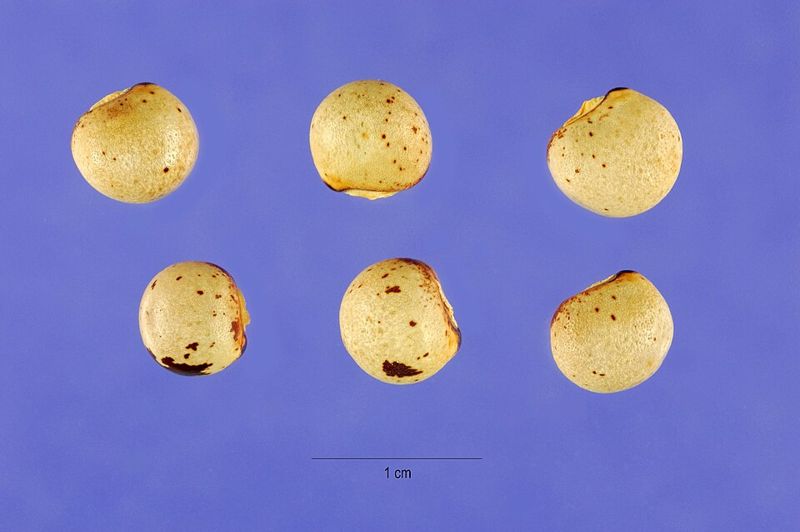
Also known as black-eyed peas, cowpeas are a resilient legume that has sustained communities across Africa, Asia, and the American South for millennia. Remarkably heat-tolerant and drought-resistant, they thrive where many other crops fail. Cowpeas are a cornerstone of soul food traditions and the classic New Year's Day dish Hoppin' John.
Growing Conditions
How to Grow Cowpea
Cowpea (Vigna unguiculata) is a forb/herb that grows to about 2.5 feet tall and 8 inches wide.
To grow cowpea, give it partial sun to partial shade. It is hardy across USDA hardiness zones 10–13. Plant it in sandy, well-drained soil; tolerates poor, acidic soils, at a slightly acidic pH of 5.5–6.5. It does best with even, moderate watering.
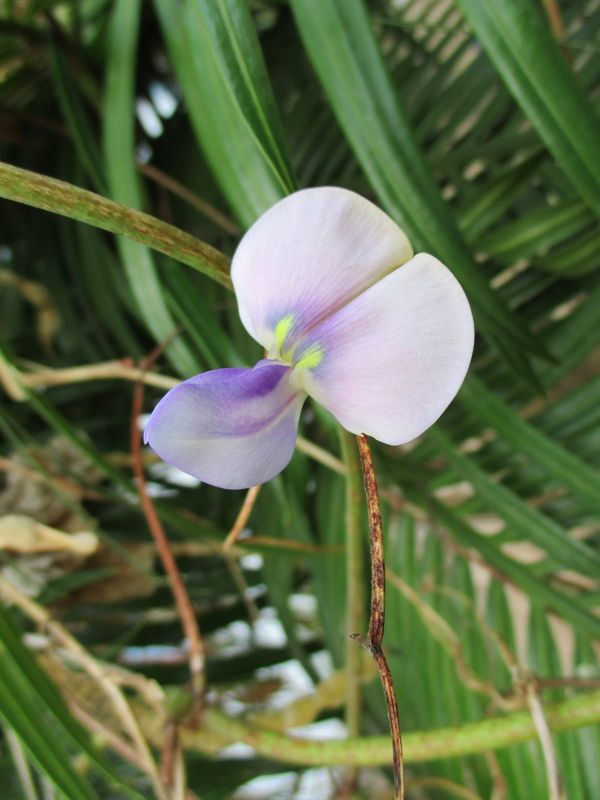
Exact sowing, transplanting, and harvest months shift by climate zone — the planting calendar below lays them out for cool through hot regions. Its flowers appear from April through November, offering high value to pollinators. Settle it in its first year, and drought becomes its problem to solve, not yours.
Companion Planting & Soil
Cowpea grows well alongside corn, sorghum, sunflower, and sweet potato — but keep it clear of onion and garlic.
Good Companions
Avoid Planting Near
Planting Calendar
When to sow, transplant, and harvest by growing zone.
| Zone | Action | Months | Notes |
|---|---|---|---|
| Cold (1-2) | Direct Sow | Jun — Jun | Direct sow after all frost; needs warm soil (65°F+); fast-maturing varieties |
| Cold (1-2) | Harvest | Aug — Sep | Harvest green for snap peas; or dry on plant for storage |
| Cool (3-4) | Direct Sow | May — Jun | Direct sow when soil warms; 60-90 days to harvest |
| Cool (3-4) | Harvest | Jul — Sep | Pick green shells or let dry; also excellent cover crop |
| Moderate (5-7) | Direct Sow | May — Jul | Direct sow after last frost; heat-loving; nitrogen fixer |
| Moderate (5-7) | Harvest | Jul — Oct | Harvest fresh or dried; black-eyed peas, crowder peas, cream peas |
| Warm (8-9) | Direct Sow | Mar — Jul | Direct sow spring through midsummer; succession plant for extended harvest |
| Warm (8-9) | Harvest | May — Oct | Extended harvest; pick green or dried |
| Hot (10+) | Direct Sow | Feb — Aug | Sow spring through late summer; staple crop in hot climates |
| Hot (10+) | Harvest | Apr — Nov | Multiple successions possible; very drought tolerant |
Uses
In the Kitchen
In the kitchen, cowpea turns up in more than one form: cooked in Southern-style dishes like Hoppin' John; young pods eaten as snap beans; dried and used in soups, stews, and fritters.
Medicinal & Folk Use
In herbal and folk tradition, it has been valued in several ways: rich in folate, thiamin, and iron; high fiber supports digestive and cardiovascular health; good source of plant-based protein and complex carbohydrates. These are traditional uses, not medical advice.
Beyond the Garden
Cowpea earns its keep past the plate, too: nitrogen-fixing cover crop and green manure; heat-tolerant food security crop for arid regions.
The Field Library
Books from the Futurespore shelf that go deeper on plants like this one.
- Medicinal Herbs: A Beginner's Guide the friendliest on-ramp to growing and using healing herbs at home
- Edible Wild Plants a photographic guide organized by season — good for checking an ID twice in the field
- The Resilient Gardener growing staple food through drought, flood, and hard seasons
These are Bookshop.org affiliate links — they support independent bookstores and earn Futurespore a small commission at no extra cost to you. Browse the full Futurespore Bookshelf.