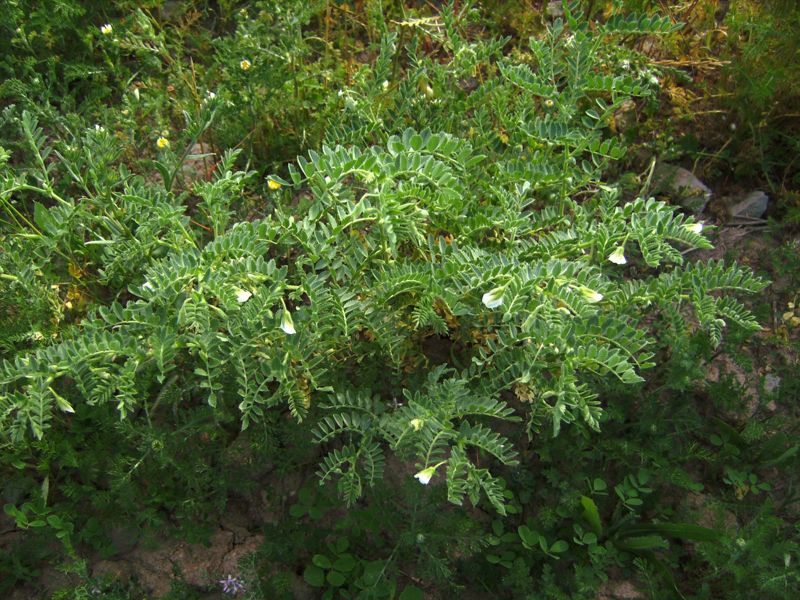
 Victor M. Vicente Selvas / Public domain · Source
Chickpea
Cicer arietinum
Overview
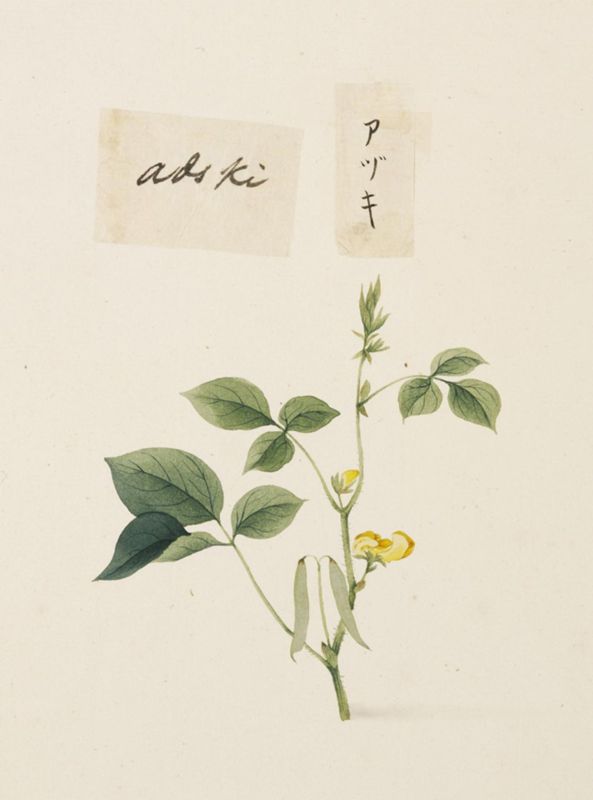
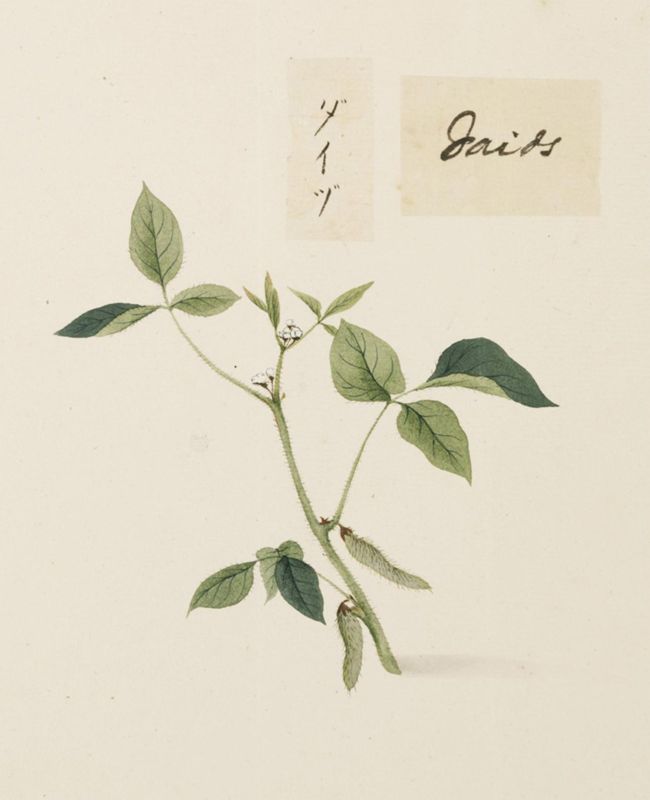
One of the oldest cultivated legumes, chickpeas (garbanzo beans) have sustained Mediterranean, Middle Eastern, and South Asian civilizations for over 7,000 years. These protein-rich pulses come in two main types — the large, round kabuli and the smaller, darker desi — each suited to different culinary traditions. Chickpeas also fix nitrogen in the soil, making them valuable in crop rotations.
How to Grow Chickpea
Plant it in well-drained, sandy or loamy soil; dislikes heavy clay, at a slightly acidic pH of 6–7.
Exact sowing, transplanting, and harvest months shift by climate zone — the planting calendar below lays them out for cool through hot regions. Match it to the right spot, and the rest is mostly patience.
Companion Planting & Soil
Chickpea grows well alongside corn, cucumber, celery, and basil — but keep it clear of onion, garlic, and fennel.
Good Companions
Avoid Planting Near
Planting Calendar
When to sow, transplant, and harvest by growing zone.
| Zone | Action | Months | Notes |
|---|---|---|---|
| Cold (1-2) | Direct Sow | May — Jun | Direct sow 3-4 weeks before last frost; tolerates light frost; 100 days to dry bean |
| Cold (1-2) | Harvest | Aug — Sep | Harvest when pods are dry and plants turn brown; pull whole plant |
| Cool (3-4) | Direct Sow | Apr — May | Sow in early spring; cool-season legume; bush habit |
| Cool (3-4) | Harvest | Jul — Aug | Harvest dry pods; or pick green for fresh garbanzo |
| Moderate (5-7) | Direct Sow | Mar — Apr | Direct sow in early spring; needs dry conditions during pod fill |
| Moderate (5-7) | Harvest | Jun — Jul | Harvest before summer rain; humidity causes pod rot |
| Warm (8-9) | Direct Sow | Feb — Mar | Sow in late winter/early spring before heat |
| Warm (8-9) | Direct Sow | Sep — Oct | Fall sow for winter crop in mild areas |
| Warm (8-9) | Harvest | Apr — May | Spring harvest from late-winter sowing |
| Hot (10+) | Direct Sow | Oct — Nov | Fall/winter crop; does not tolerate humid heat |
| Hot (10+) | Harvest | Jan — Mar | Winter harvest; needs dry climate for good pod fill |
Uses
In the Kitchen
In the kitchen, chickpea turns up in more than one form: hummus, falafel, and chana masala; roasted as a crunchy snack with spices; ground into chickpea flour (besan) for flatbreads and batters.
Medicinal & Folk Use
In herbal and folk tradition, it has been valued in several ways: high-quality plant protein with all essential amino acids; rich in fiber supporting digestive and heart health; good source of folate and manganese. These are traditional uses, not medical advice.
Beyond the Garden
Chickpea earns its keep past the plate, too: nitrogen-fixing cover crop in rotations; drought-tolerant field crop for arid regions.
Safety Notes
Cook dried chickpeas fully — raw or undercooked legumes are hard on the gut. Canned chickpeas are ready to eat.
The Field Library
Books from the Futurespore shelf that go deeper on plants like this one.
- The Forager's Harvest identification, harvest windows, and preparation from someone who eats what he teaches
- Gaia's Garden home-scale permaculture — guilds, food forests, and beds that tend themselves
These are Bookshop.org affiliate links — they support independent bookstores and earn Futurespore a small commission at no extra cost to you. Browse the full Futurespore Bookshelf.