 erinfrog / CC0 · Source
Fig
Ficus carica
Overview
One of the earliest fruits cultivated by humans, figs have been enjoyed for at least 11,000 years — possibly predating grain agriculture. Their honeyed, jammy flesh is unique in the fruit world, and each fig is actually an inverted flower cluster pollinated by a specific tiny wasp. Figs are remarkably adaptable, growing in containers in cold climates and fruiting prolifically in warmth.
Growing Conditions
How to Grow Fig
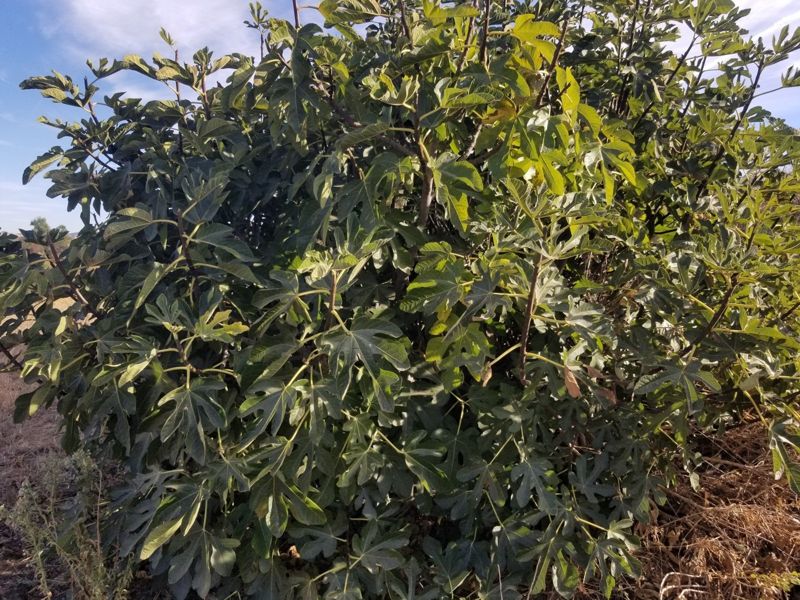
Fig (Ficus carica) is a perennial tree that grows to about 16 feet tall and 16 feet wide.
To grow fig, give it full sun. It is hardy across USDA hardiness zones 6–11. Plant it in well-drained, moderately fertile soil; tolerates poor soil, at a slightly acidic pH of 6–7. It does best with even, moderate watering.
In practice, plant out fig February to March in warm zones and January to February in hot zones. Harvest comes June to October in warm zones. Once its roots take hold, it asks little of you.
Companion Planting & Soil
Fig grows well alongside comfrey, strawberry, marigold, and rue.
Good Companions
Planting Calendar
When to sow, transplant, and harvest by growing zone.
| Zone | Action | Months | Notes |
|---|---|---|---|
| Warm (8-9) | Transplant | Feb — Mar | Plant in spring after frost risk; full sun, well-drained soil |
| Warm (8-9) | Harvest | Jun — Oct | Harvest when fruit droops on stem and is soft to touch |
| Hot (10+) | Transplant | Jan — Feb | Plant in winter dormancy; Brown Turkey and Celeste do well |
Uses
In the Kitchen
In the kitchen, fig turns up in more than one form: fresh eating at peak ripeness; dried for year-round snacking and baking; paired with cheese, prosciutto, and honey.
Medicinal & Folk Use
In herbal and folk tradition, it has been valued in several ways: high in prebiotic fiber for digestive health; rich in potassium, calcium, and magnesium; traditional laxative and sore throat remedy. These are traditional uses, not medical advice.
Beyond the Garden
Fig earns its keep past the plate, too: container-friendly fruit tree for cold climates; ornamental specimen with bold tropical foliage.
Safety Notes
Ripe fruit is safe. Unripe figs and milky sap cause skin irritation and photodermatitis. Wear gloves when pruning. Latex allergy cross-reactivity possible.
The Field Library
Books from the Futurespore shelf that go deeper on plants like this one.
- The Modern Herbal Dispensatory a working reference for tinctures, salves, and doses once you get serious
- Northeast Foraging region-tuned wild food guidance with clear lookalike warnings
- Braiding Sweetgrass reframes growing and gathering as a relationship of reciprocity
These are Bookshop.org affiliate links — they support independent bookstores and earn Futurespore a small commission at no extra cost to you. Browse the full Futurespore Bookshelf.