Eggplant
Solanum melongena
Overview
A nightshade family vegetable with origins in India, where it has been cultivated for over 4,000 years in an incredible diversity of shapes, sizes, and colors — from the classic deep purple globe to slender Japanese types, round Thai green, and white varieties that earned it the name 'eggplant.' Its spongy flesh absorbs flavors beautifully when cooked, making it a versatile base for global cuisines.
Growing Conditions
How to Grow Eggplant
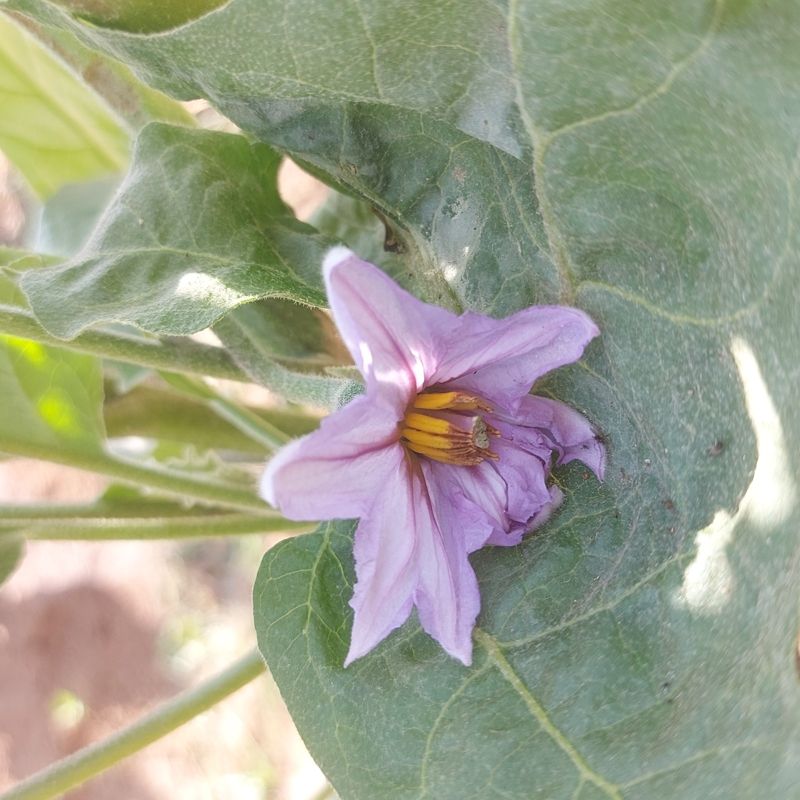
Eggplant (Solanum melongena) is an annual forb/herb that grows to about 4 feet tall and 2 feet wide.
To grow eggplant, give it full sun. It is hardy across USDA hardiness zones 9a–11. Plant it in rich, well-drained, warm loam with plenty of organic matter, at a slightly acidic pH of 5.5–6.8. It does best with consistently moist to wet soil.
Exact sowing, transplanting, and harvest months shift by climate zone — the planting calendar below lays them out for cool through hot regions. Its white flowers appear from June through October, offering high value to pollinators. Food and forage in one stand — plant it where both you and the pollinators can reach.
Companion Planting & Soil
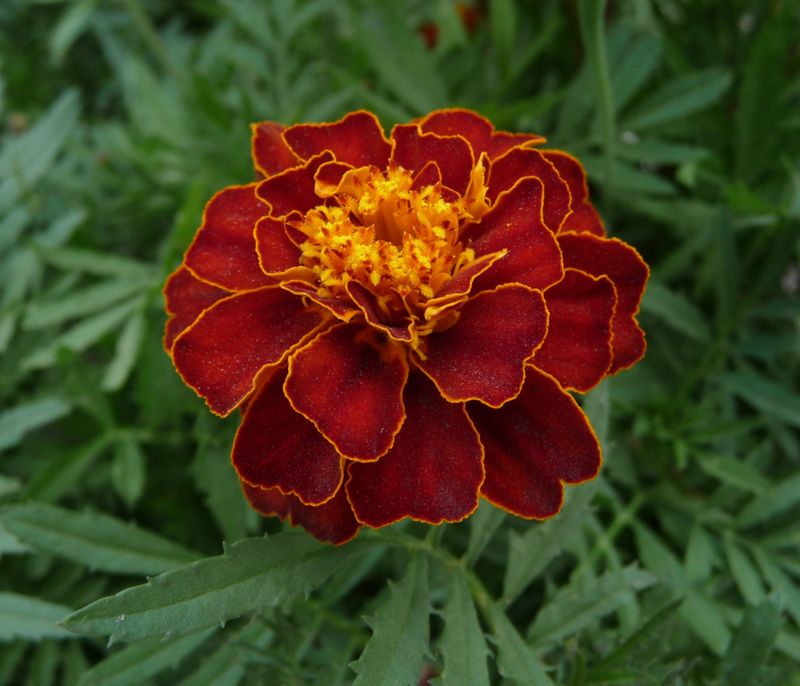
Eggplant grows well alongside bean, pepper, spinach, marigold, and thyme — but keep it clear of fennel and walnut.
Good Companions
Avoid Planting Near
Planting Calendar
When to sow, transplant, and harvest by growing zone.
| Zone | Action | Months | Notes |
|---|---|---|---|
| Cold (1-2) | Start Indoors | Mar — Apr | Start 8-10 weeks before last frost |
| Cold (1-2) | Transplant | Jun — Jun | Transplant 2 weeks after last frost; needs warm soil |
| Cold (1-2) | Harvest | Aug — Sep | Harvest when skin is glossy; before frost |
| Cool (3-4) | Start Indoors | Feb — Mar | Start 8-10 weeks before last frost |
| Cool (3-4) | Transplant | May — Jun | Transplant when nights above 55°F |
| Cool (3-4) | Harvest | Jul — Sep | Harvest when firm and glossy |
| Moderate (5-7) | Start Indoors | Jan — Feb | Start 8-10 weeks before transplant |
| Moderate (5-7) | Transplant | May — May | Transplant after soil warms |
| Moderate (5-7) | Harvest | Jul — Oct | Harvest regularly to encourage production |
| Warm (8-9) | Transplant | Mar — Apr | Transplant in spring |
| Warm (8-9) | Harvest | May — Oct | Long harvest window |
| Hot (10+) | Transplant | Feb — Mar | Spring transplant; also Aug for fall |
| Hot (10+) | Harvest | Apr — Jun | Spring harvest; fall crop Oct-Nov |
Uses
In the Kitchen
In the kitchen, eggplant turns up in more than one form: grilled, roasted, or fried for baba ganoush and moussaka; sliced and layered in parmigiana and ratatouille; stir-fried in Thai and Chinese dishes.
Medicinal & Folk Use
In herbal and folk tradition, it has been valued in several ways: rich in nasunin, an antioxidant that protects brain cell membranes; fiber and chlorogenic acid support heart and blood sugar health; traditional Ayurvedic use for diabetes management. These are traditional uses, not medical advice.
Beyond the Garden
Eggplant earns its keep past the plate, too: beautiful ornamental with purple flowers and colorful fruit.
Safety Notes
Must be cooked before eating — raw eggplant contains solanine. Leaves are toxic. Some people are sensitive to nightshades.
The Field Library
Books from the Futurespore shelf that go deeper on plants like this one.
- The Modern Herbal Dispensatory a working reference for tinctures, salves, and doses once you get serious
- Edible Wild Plants a photographic guide organized by season — good for checking an ID twice in the field
- The Resilient Gardener growing staple food through drought, flood, and hard seasons
These are Bookshop.org affiliate links — they support independent bookstores and earn Futurespore a small commission at no extra cost to you. Browse the full Futurespore Bookshelf.