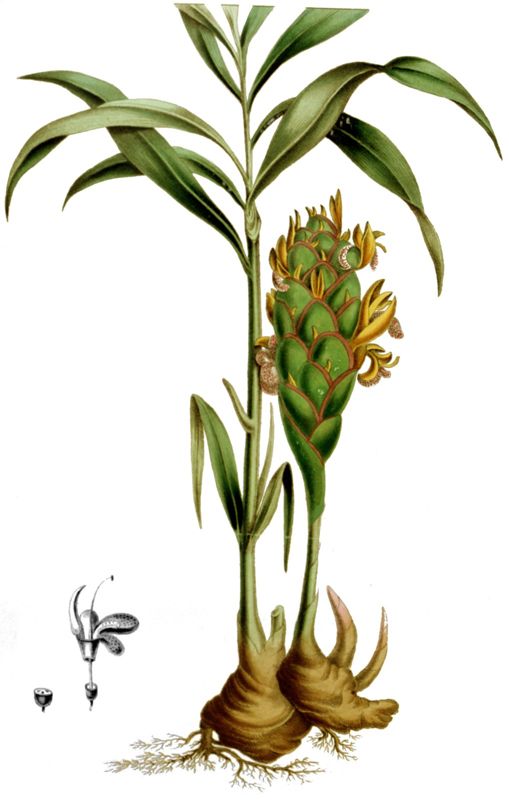
 Joseph Carson / Public domain · Source
Ginger
Zingiber officinale
Overview
A tropical rhizome that has been one of the world's most important spices and medicines for over 5,000 years, originating in Southeast Asia. Fresh ginger's warm, zesty bite and aromatic complexity are irreplaceable in Asian, Indian, and Caribbean cuisines. It can be grown in containers in any climate, producing lush tropical foliage even when not flowering.
Mentioned in The Mycelial Grimoire
Posts on the Grimoire that reference Ginger.
Growing Conditions
How to Grow Ginger
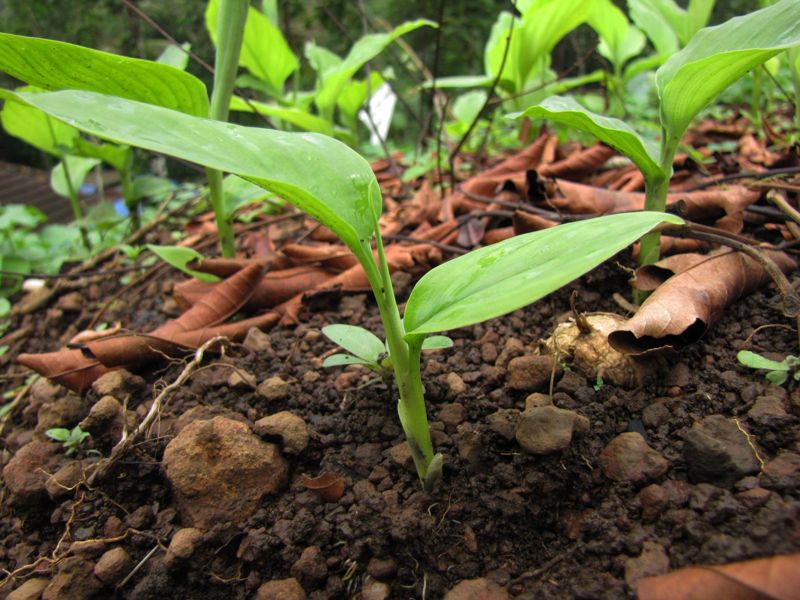
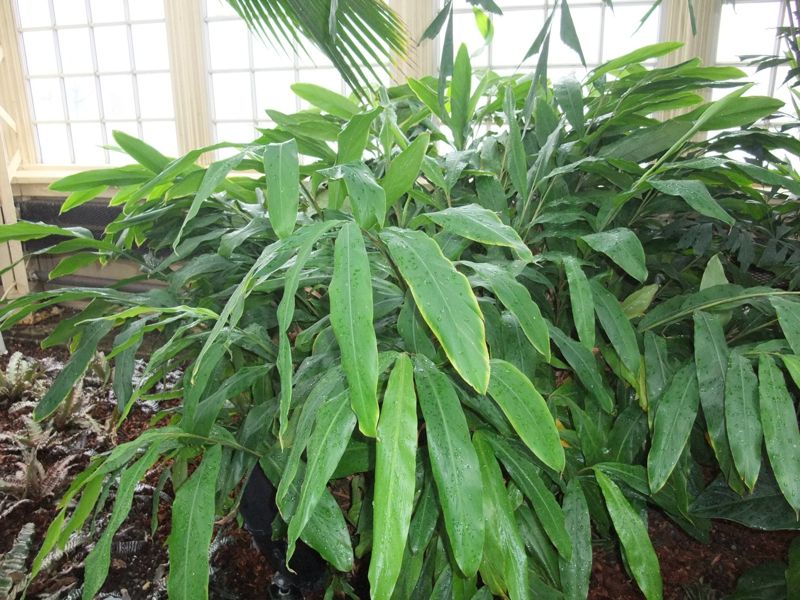
Ginger (Zingiber officinale) is a forb/herb that grows to about 5 feet tall and 5 feet wide.
To grow ginger, give it partial sun to partial shade. It is hardy across USDA hardiness zones 9–13. Plant it in rich, moist, well-drained, humusy soil, at a slightly acidic pH of 5.5–6.5. It does best with even, moderate watering.
Exact sowing, transplanting, and harvest months shift by climate zone — the planting calendar below lays them out for cool through hot regions. Old knowledge lives in this one; grow it, and you keep a little of that alive.
Companion Planting & Soil
Ginger grows well alongside turmeric, cardamom, lemongrass, and chili pepper — but keep it clear of walnut.
Good Companions
Avoid Planting Near
Planting Calendar
When to sow, transplant, and harvest by growing zone.
| Zone | Action | Months | Notes |
|---|---|---|---|
| Cold (1-2) | Start Indoors | Jan — Feb | Start rhizome pieces indoors in pots; grow as annual — needs 8-10 months |
| Cold (1-2) | Transplant | Jun — Jun | Transplant to garden after all frost; or keep in containers |
| Cold (1-2) | Harvest | Sep — Oct | Harvest before frost; young ginger is milder — no need to peel |
| Cool (3-4) | Start Indoors | Jan — Feb | Start indoors; needs long warm season |
| Cool (3-4) | Transplant | May — Jun | Transplant after last frost; part shade preferred |
| Cool (3-4) | Harvest | Sep — Oct | Dig entire plant before frost; baby ginger at 4 months, mature at 8-10 |
| Moderate (5-7) | Start Indoors | Feb — Mar | Start indoors 6-8 weeks before transplant |
| Moderate (5-7) | Transplant | Apr — May | Plant rhizomes 2" deep in rich soil; part shade; consistent moisture |
| Moderate (5-7) | Harvest | Sep — Nov | Harvest when leaves yellow; or dig baby ginger earlier |
| Warm (8-9) | Transplant | Mar — Apr | Plant rhizomes in spring; perennial in zone 8+ with heavy mulch |
| Warm (8-9) | Harvest | Oct — Dec | Harvest mature rhizomes in fall; save pieces to replant |
| Hot (10+) | Transplant | Feb — Mar | Plant in spring; perennial in zone 9+; partial shade |
| Hot (10+) | Harvest | Oct — Dec | Harvest as needed from established patches |
Uses
In the Kitchen
In the kitchen, ginger turns up in more than one form: fresh in stir-fries, curries, and marinades; pickled (gari) for sushi accompaniment; candied, dried, or brewed as tea.
Medicinal & Folk Use
In herbal and folk tradition, it has been valued in several ways: clinically proven anti-nausea remedy for motion sickness and morning sickness; anti-inflammatory compounds (gingerols) support joint health; warming circulatory stimulant and digestive tonic. These are traditional uses, not medical advice.
Beyond the Garden
Ginger earns its keep past the plate, too: ornamental tropical houseplant with attractive foliage.
The Field Library
Books from the Futurespore shelf that go deeper on plants like this one.
- The Modern Herbal Dispensatory a working reference for tinctures, salves, and doses once you get serious
- Northeast Foraging region-tuned wild food guidance with clear lookalike warnings
- Braiding Sweetgrass reframes growing and gathering as a relationship of reciprocity
These are Bookshop.org affiliate links — they support independent bookstores and earn Futurespore a small commission at no extra cost to you. Browse the full Futurespore Bookshelf.