Overview
The golden spice that has been a pillar of Indian Ayurvedic medicine and cuisine for over 4,000 years, turmeric is now one of the most scientifically studied plants on earth. Its active compound curcumin has demonstrated anti-inflammatory, antioxidant, and neuroprotective properties in thousands of studies. The vibrant orange rhizomes are grown similarly to ginger and can be used fresh, dried, or powdered.
Growing Conditions
How to Grow Turmeric
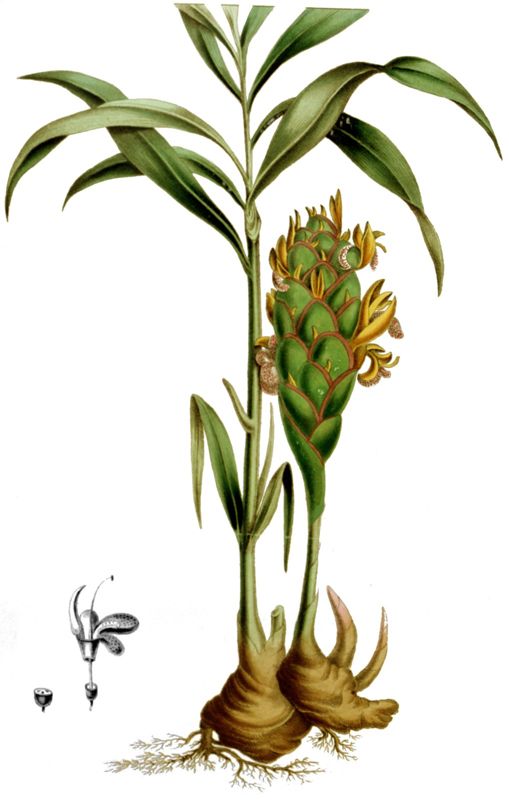
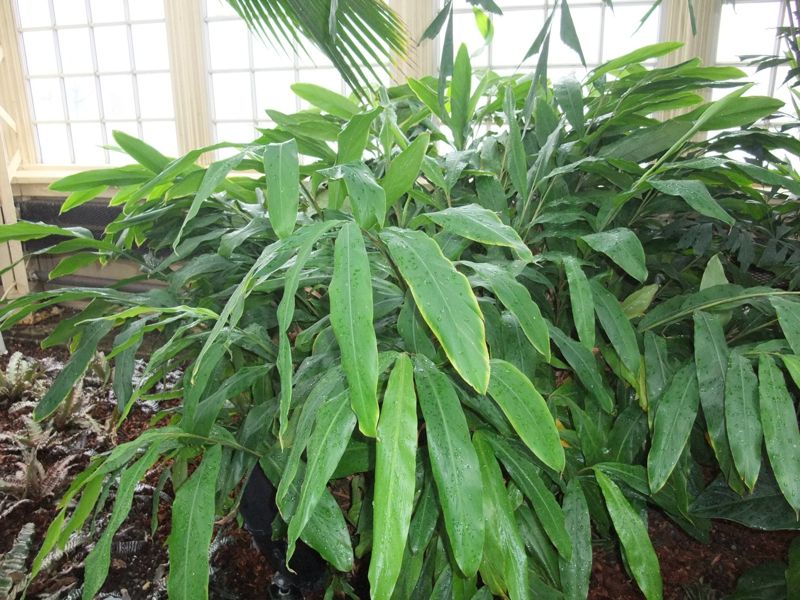
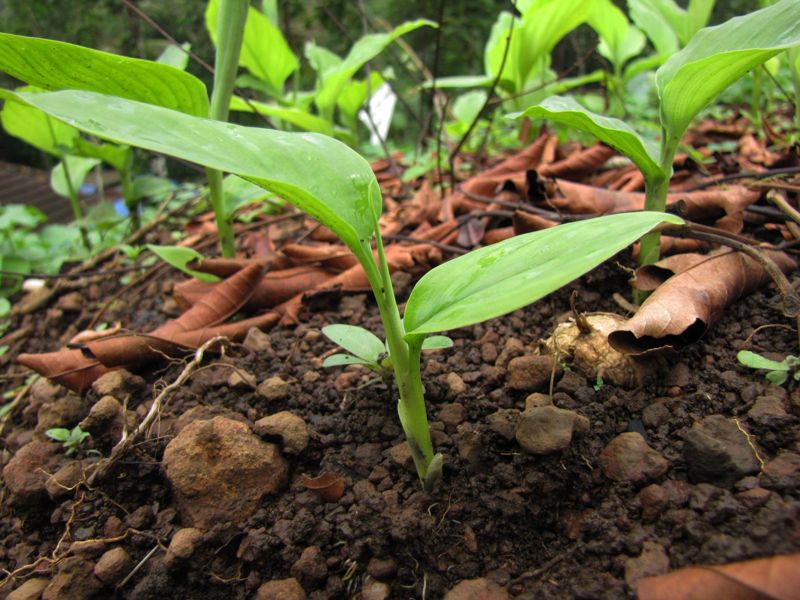
Turmeric (Curcuma longa) is a forb/herb that grows to about 3 feet tall and 1.5 feet wide.
To grow turmeric, give it partial sun to partial shade. It is hardy across USDA hardiness zones 8–11. Plant it in rich, loose, well-drained, humusy soil with consistent moisture, at a slightly acidic pH of 5.5–7. It does best with even, moderate watering.
Exact sowing, transplanting, and harvest months shift by climate zone — the planting calendar below lays them out for cool through hot regions. Come to it with patience — its value is the kind that rewards knowing.
Companion Planting & Soil
Turmeric grows well alongside ginger, lemongrass, cardamom, and chili pepper.
Good Companions
Planting Calendar
When to sow, transplant, and harvest by growing zone.
| Zone | Action | Months | Notes |
|---|---|---|---|
| Cold (1-2) | Start Indoors | Jan — Feb | Start rhizome pieces indoors in pots; needs 8-10 months; grow in containers |
| Cold (1-2) | Transplant | Jun — Jun | Transplant to garden or keep in pots; move indoors before frost |
| Cold (1-2) | Harvest | Sep — Oct | Harvest before frost; rhizomes stain everything bright yellow |
| Cool (3-4) | Start Indoors | Jan — Feb | Start indoors; very long growing season required |
| Cool (3-4) | Transplant | May — Jun | Transplant after last frost; warm, humid conditions ideal |
| Cool (3-4) | Harvest | Sep — Oct | Dig rhizomes before frost; cure in sun 1 week; freeze or dry |
| Moderate (5-7) | Start Indoors | Feb — Mar | Start indoors 6-8 weeks early |
| Moderate (5-7) | Transplant | Apr — May | Plant rhizomes 2" deep; part shade; rich moist soil |
| Moderate (5-7) | Harvest | Oct — Nov | Harvest when leaves yellow and dry back; 8-10 months after planting |
| Warm (8-9) | Transplant | Mar — Apr | Plant in spring; perennial in zone 8+ with mulch |
| Warm (8-9) | Harvest | Oct — Dec | Harvest in fall; save finger-sized pieces to replant |
| Hot (10+) | Transplant | Feb — Mar | Plant in spring; evergreen perennial in zone 10+ |
| Hot (10+) | Harvest | Oct — Dec | Harvest mature rhizomes; can leave some in ground year-round |
Uses
In the Kitchen
In the kitchen, turmeric turns up in more than one form: essential in Indian curries and golden milk (haldi doodh); fresh root grated into stir-fries and smoothies; dried and powdered as a pantry staple spice.
Medicinal & Folk Use
In herbal and folk tradition, it has been valued in several ways: curcumin is one of the most studied anti-inflammatory compounds; supports joint health and post-exercise recovery; neuroprotective properties studied for brain health. These are traditional uses, not medical advice.
Beyond the Garden
Turmeric earns its keep past the plate, too: natural dye producing brilliant golden-yellow color; traditional ceremonial and cosmetic use in South Asian cultures.
Safety Notes
High doses may cause GI upset. May interact with blood thinners and diabetes medications.
The Field Library
Books from the Futurespore shelf that go deeper on plants like this one.
- Medicinal Herbs: A Beginner's Guide the friendliest on-ramp to growing and using healing herbs at home
- Edible Wild Plants a photographic guide organized by season — good for checking an ID twice in the field
- The Resilient Gardener growing staple food through drought, flood, and hard seasons
These are Bookshop.org affiliate links — they support independent bookstores and earn Futurespore a small commission at no extra cost to you. Browse the full Futurespore Bookshelf.