Mango
Mangifera indica
Overview
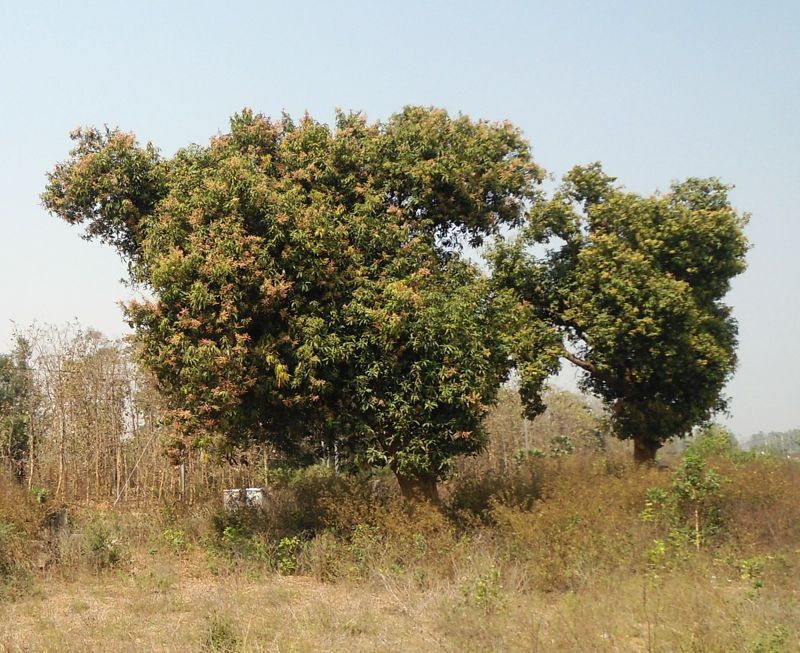
Called the king of fruits in much of the world, mango is a tropical tree that produces arguably the most beloved fruit on earth, cultivated for over 4,000 years in South Asia. The incredible diversity of mango varieties — over 1,000 named cultivars — offers flavors from pineapple-sweet to resinous and spicy. The tree itself is massive and majestic, providing shade and fruit for generations.
Growing Conditions
How to Grow Mango
Mango (Mangifera indica) is a tree that grows to about 65 feet tall and 82 feet wide.
To grow mango, give it full sun. It is hardy across USDA hardiness zones 9a–12. Plant it in deep, well-drained, fertile sandy or loamy soil, at a slightly acidic pH of 5.5–7.5. It does best with even, moderate watering.
In practice, plant out mango March to May in warm zones and February to April in hot zones. Harvest comes June to September in warm zones and May to September in hot zones. Its yellow flowers appear from February through March, offering high value to pollinators. It is a plant for the low-water garden — patient through heat, slow to complain.
Companion Planting & Soil
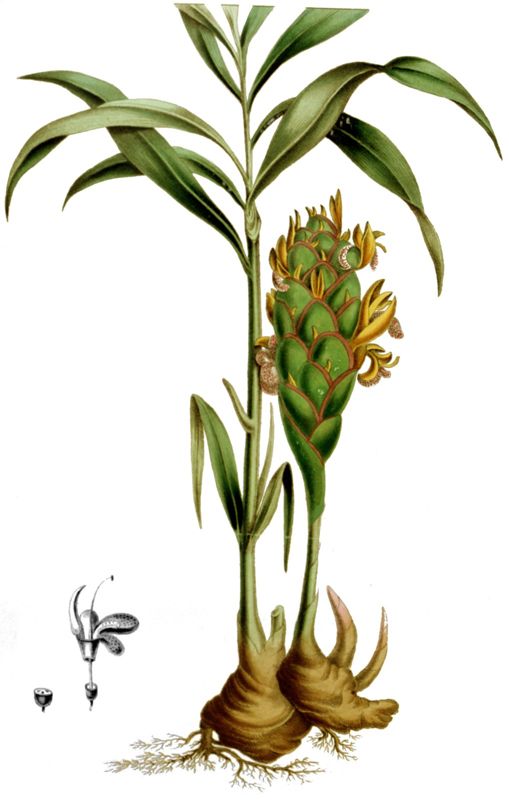
Mango grows well alongside ginger, turmeric, banana, and pepper.
Good Companions
Planting Calendar
When to sow, transplant, and harvest by growing zone.
| Zone | Action | Months | Notes |
|---|---|---|---|
| Warm (8-9) | Transplant | Mar — May | Plant grafted trees in spring; needs frost-free winters; full sun; wind protection |
| Warm (8-9) | Harvest | Jun — Sep | Harvest when shoulder fills out and fruit gives slightly; ripen at room temperature |
| Warm (8-9) | Prune | Jan — Feb | Tip-prune young trees to encourage branching; prune after harvest in mature trees |
| Hot (10+) | Transplant | Feb — Apr | Plant grafted trees; grow 40+ ft — choose dwarf varieties for small gardens |
| Hot (10+) | Harvest | May — Sep | Pick when color develops; mango takes 3-6 years from grafted tree to first fruit |
| Hot (10+) | Prune | Dec — Jan (wraps) | Prune after harvest; caution — sap causes skin rash in sensitive individuals |
Uses
In the Kitchen
In the kitchen, mango turns up in more than one form: fresh eating at peak ripeness — one of nature's great pleasures; green mangoes in chutneys, pickles, and salads; dried, pureed, juiced, and used in desserts worldwide.
Medicinal & Folk Use
In herbal and folk tradition, it has been valued in several ways: rich in vitamin C, vitamin A, and folate; contains mangiferin, studied for anti-inflammatory and antioxidant properties; fiber supports digestive health. These are traditional uses, not medical advice.
Beyond the Garden
Mango earns its keep past the plate, too: majestic shade tree in tropical landscapes; wood used for smoking and cooking.
Safety Notes
Mango is in the poison-ivy family: the skin and sap contain urushiol. If poison ivy affects you strongly, peel mangoes with gloves and eat the flesh — the flesh itself is safe and delicious. Leaves and stems are irritant, and mango wood should never be burned.
The Field Library
Books from the Futurespore shelf that go deeper on plants like this one.
- The Modern Herbal Dispensatory a working reference for tinctures, salves, and doses once you get serious
- Edible Wild Plants a photographic guide organized by season — good for checking an ID twice in the field
- The Resilient Gardener growing staple food through drought, flood, and hard seasons
These are Bookshop.org affiliate links — they support independent bookstores and earn Futurespore a small commission at no extra cost to you. Browse the full Futurespore Bookshelf.