 Chhe (talk) / Public domain · Source
Cardamom
Elettaria cardamomum
Overview
Known as the queen of spices, cardamom is a tropical plant in the ginger family that produces intensely aromatic seed pods. It is the third most expensive spice in the world after saffron and vanilla, treasured for its complex warm-cool flavor profile. In its native habitat of India's Western Ghats, cardamom grows in the shaded understory of tropical forests.
Growing Conditions
How to Grow Cardamom
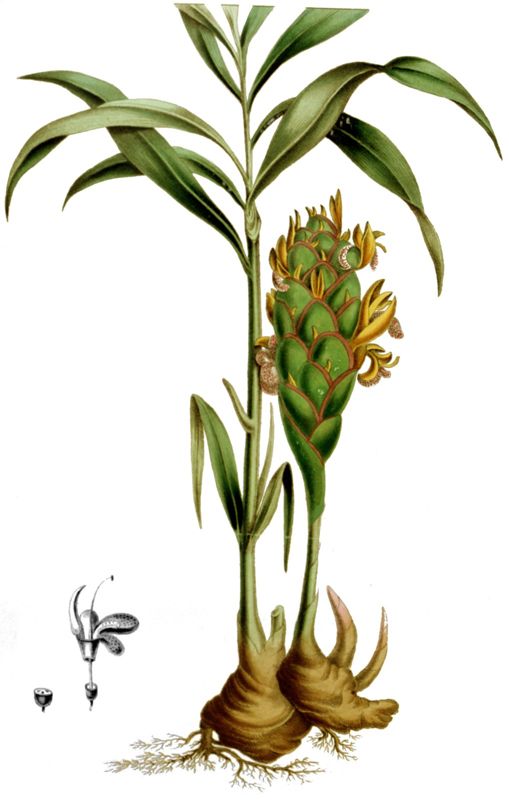
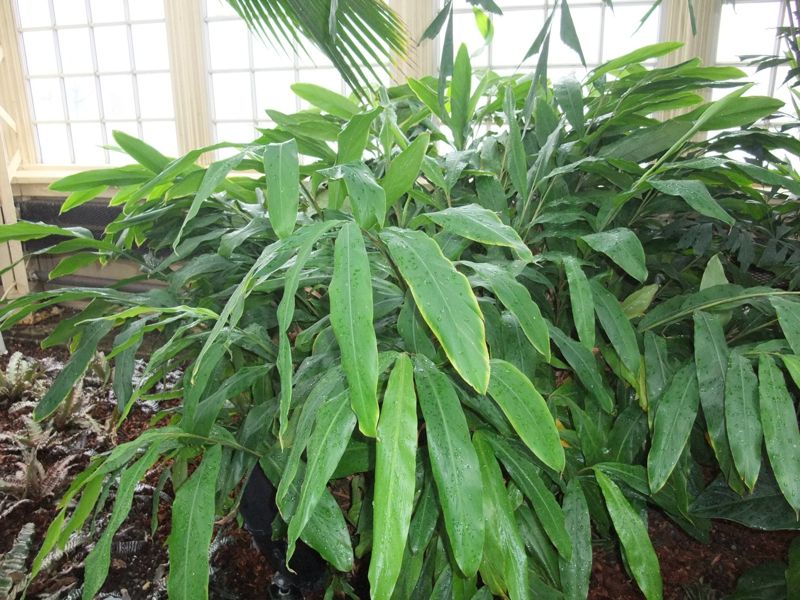
Cardamom (Elettaria cardamomum) is a forb/herb that grows to about 5 feet tall and 5 feet wide.
To grow cardamom, give it partial sun to partial shade. It is hardy across USDA hardiness zones 8–12. Plant it in rich, moist, well-drained forest soil or humus, at a slightly acidic pH of 5.5–6.5. It does best with even, moderate watering.
In practice, plant out cardamom April to May in warm zones and March to April in hot zones. Harvest comes October to December in warm zones and September to December in hot zones. Old knowledge lives in this one; grow it, and you keep a little of that alive.
Companion Planting & Soil
Cardamom grows well alongside ginger, turmeric, banana, and coffee.
Good Companions
Planting Calendar
When to sow, transplant, and harvest by growing zone.
| Zone | Action | Months | Notes |
|---|---|---|---|
| Warm (8-9) | Transplant | Apr — May | Plant divisions in spring; filtered shade; rich, moist soil; tropical understory plant |
| Warm (8-9) | Harvest | Oct — Dec | Harvest green pods before fully ripe; dry at low temperature to preserve volatile oils |
| Warm (8-9) | Divide | Mar — Apr | Divide rhizome clumps in spring; each division needs 2-3 shoots |
| Hot (10+) | Transplant | Mar — Apr | Plant in spring; 6-10 ft tall; shade essential; grows well under tree canopy |
| Hot (10+) | Harvest | Sep — Dec | Pick pods when plump and green; takes 3 years from planting to first harvest |
Uses
In the Kitchen
In the kitchen, cardamom turns up in more than one form: essential in chai tea, coffee, and Middle Eastern cuisine; flavoring for Scandinavian pastries and breads; used in Indian curries, biryanis, and desserts.
Medicinal & Folk Use
In herbal and folk tradition, it has been valued in several ways: traditional carminative for digestive discomfort and bloating; antimicrobial properties support oral health; ayurvedic use for respiratory conditions and detoxification. These are traditional uses, not medical advice.
Beyond the Garden
Cardamom earns its keep past the plate, too: aromatic houseplant in tropical conditions.
The Field Library
Books from the Futurespore shelf that go deeper on plants like this one.
- The Modern Herbal Dispensatory a working reference for tinctures, salves, and doses once you get serious
- Northeast Foraging region-tuned wild food guidance with clear lookalike warnings
- Braiding Sweetgrass reframes growing and gathering as a relationship of reciprocity
These are Bookshop.org affiliate links — they support independent bookstores and earn Futurespore a small commission at no extra cost to you. Browse the full Futurespore Bookshelf.