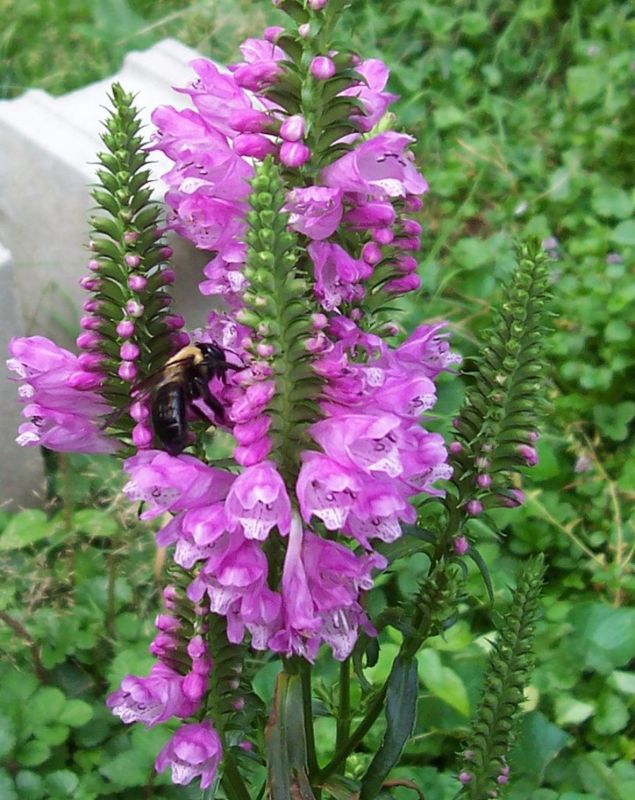
 LinBow / CC BY-SA 2.0 · Source
Obedient plant
Physostegia virginiana
Overview
Named for the curious trait of its flowers staying put when pushed to a new position on the spike, obedient plant is a vigorous native perennial with showy pink to lavender snapdragon-like blooms. It provides late-summer color when many other plants are fading and is a reliable source of nectar for bees and hummingbirds. It spreads enthusiastically by rhizomes — give it room or contain it.
Growing Conditions
How to Grow Obedient plant
Obedient plant (Physostegia virginiana) is a forb/herb that grows to about 4 feet tall and 2 feet wide.
Obedient plant is hardy across USDA hardiness zones 6–10. Plant it in moist, fertile soil; tolerates wet conditions, at a slightly acidic pH of 5.5–7.
Exact sowing, transplanting, and harvest months shift by climate zone — the planting calendar below lays them out for cool through hot regions. Its blue flowers appear from May through August, offering high value to pollinators. Match it to the right spot, and the rest is mostly patience.
Companion Planting & Soil
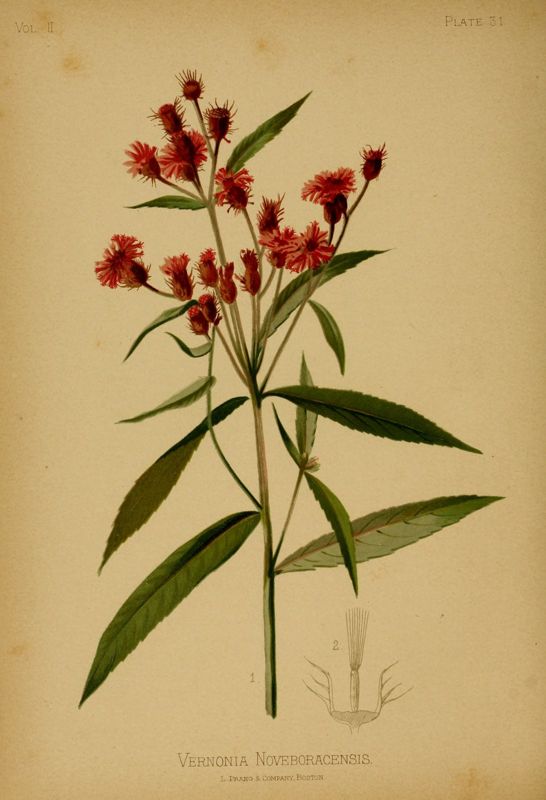
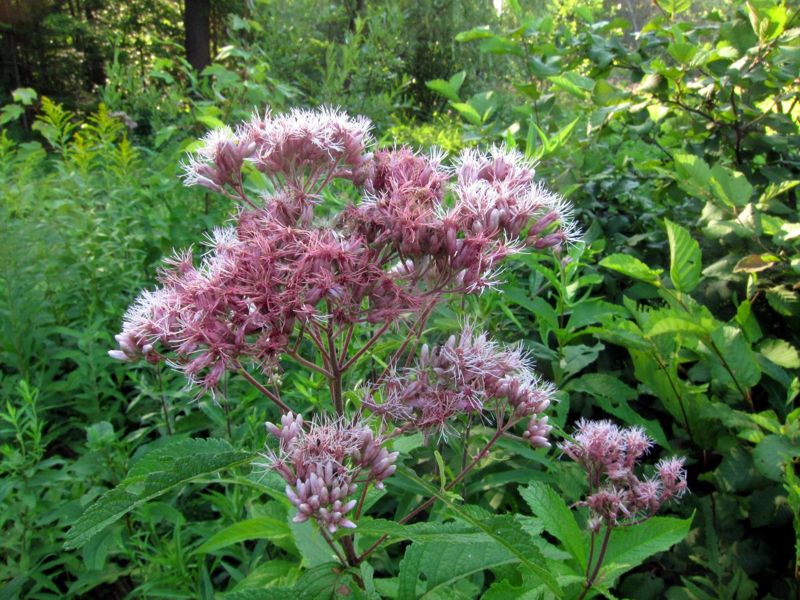
Obedient plant grows well alongside joe-pye weed, ironweed, aster, and goldenrod.
Good Companions
Planting Calendar
When to sow, transplant, and harvest by growing zone.
| Zone | Action | Months | Notes |
|---|---|---|---|
| Cold (1-2) | Transplant | May — Jun | Plant in spring; flowers stay where you push them on the spike — hence the name |
| Cold (1-2) | Bloom | Jul — Sep | Pink spikes late summer; good cut flower; attracts hummingbirds |
| Cool (3-4) | Transplant | Apr — May | Plant in spring; spreads aggressively — contain or choose compact cultivars |
| Cool (3-4) | Bloom | Jul — Sep | Late summer bloom; individual florets can be repositioned on stem |
| Moderate (5-7) | Transplant | Mar — Apr | Plant in spring; pink snapdragon-like flowers; vigorous spreader |
| Moderate (5-7) | Bloom | Jul — Sep | Bloom late summer through fall; deadhead to prevent self-sowing |
| Moderate (5-7) | Divide | Mar — Apr | Divide every 2-3 years to control spread; discard center of clump |
| Warm (8-9) | Transplant | Feb — Mar | Plant in late winter; moist soil preferred |
| Warm (8-9) | Bloom | Jun — Aug | Summer bloom; contains spread by removing runners |
| Hot (10+) | Transplant | Nov — Dec | Plant in fall; needs moisture; part shade in hot zones |
| Hot (10+) | Bloom | May — Jul | Summer bloom |
Uses
Beyond the Garden
Obedient plant earns its keep past the plate, too: late-summer pollinator and hummingbird plant; rain garden and moist meadow planting; unique interactive flower (stays where pushed).
The Field Library
Books from the Futurespore shelf that go deeper on plants like this one.
- Gaia's Garden home-scale permaculture — guilds, food forests, and beds that tend themselves
- The Resilient Gardener growing staple food through drought, flood, and hard seasons
These are Bookshop.org affiliate links — they support independent bookstores and earn Futurespore a small commission at no extra cost to you. Browse the full Futurespore Bookshelf.