 Cbaile19 / CC0 · Source
Wild senna
Senna hebecarpa
Overview
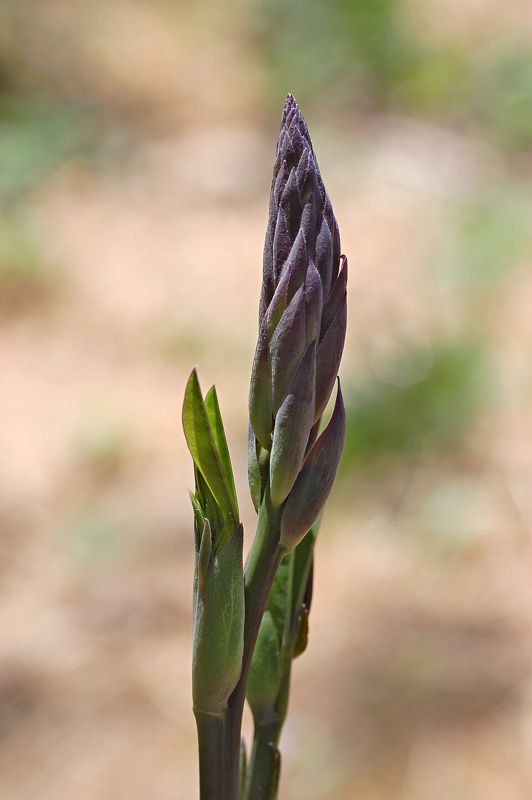
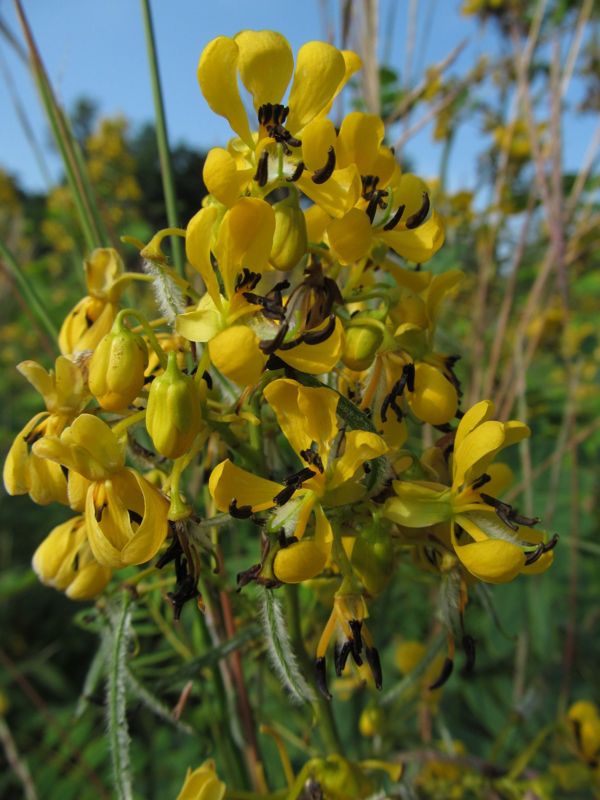
A tall native prairie legume that produces showy yellow flower clusters and dramatic dark seed pods, wild senna (Senna hebecarpa) is both an important pollinator plant and a historical medicinal herb. It is a larval host plant for several sulphur butterfly species and fixes nitrogen in the soil. The ornamental seed pods persist through winter, adding structural interest to the dormant garden.
How to Grow Wild senna
Plant it in moist, well-drained soil; adaptable to most conditions, at a slightly acidic pH of 5.5–7.
Exact sowing, transplanting, and harvest months shift by climate zone — the planting calendar below lays them out for cool through hot regions. Handle it with the respect a defended plant has earned — read the safety notes first.
Companion Planting & Soil
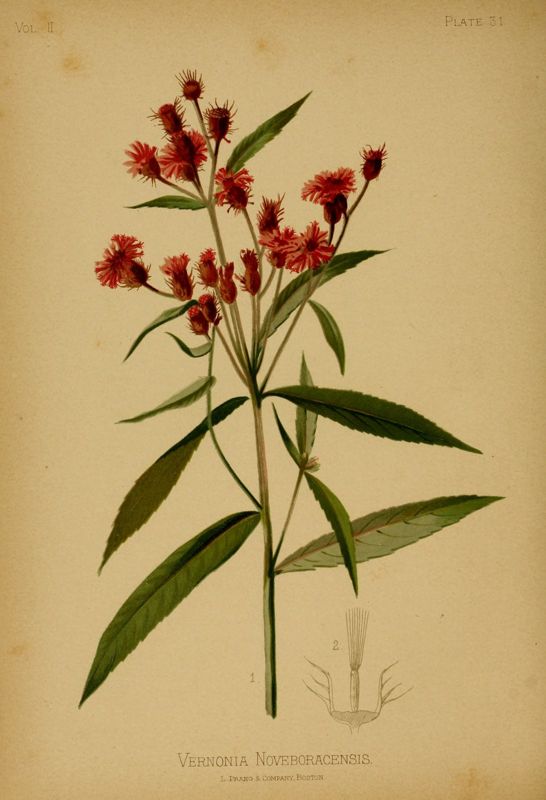
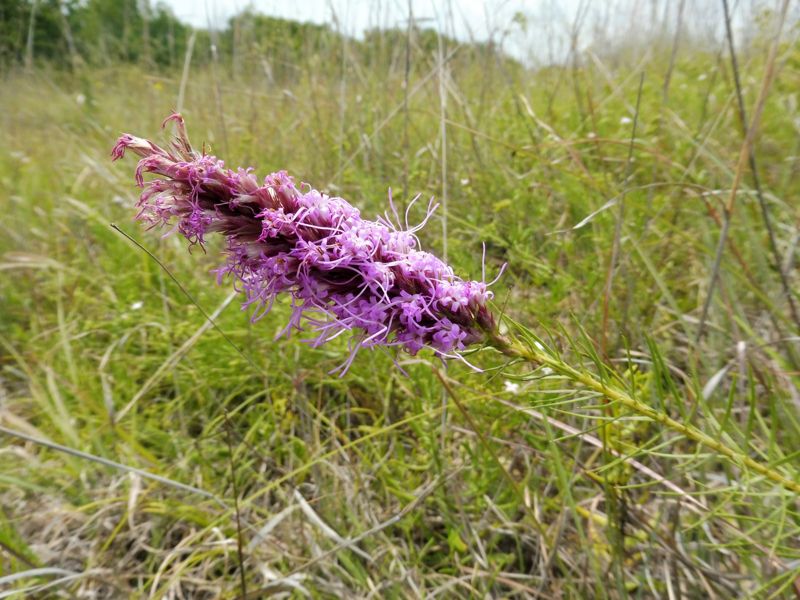
Wild senna grows well alongside joe-pye weed, ironweed, big bluestem, and goldenrod.
Good Companions
Planting Calendar
When to sow, transplant, and harvest by growing zone.
| Zone | Action | Months | Notes |
|---|---|---|---|
| Cold (1-2) | Transplant | May — Jun | Plant in spring; native legume; host plant for cloudless sulphur butterfly |
| Cold (1-2) | Bloom | Jul — Aug | Yellow flower clusters in midsummer; attractive dark seed pods |
| Cool (3-4) | Transplant | Apr — May | Plant in spring; grows 4-6 feet; nitrogen fixer |
| Cool (3-4) | Bloom | Jun — Aug | Summer bloom; sulphur butterfly caterpillars feed on leaves |
| Moderate (5-7) | Transplant | Mar — Apr | Plant in spring; rattling seed pods add winter interest |
| Moderate (5-7) | Bloom | Jun — Aug | Summer bloom; shrubby habit needs no staking |
| Warm (8-9) | Transplant | Feb — Mar | Plant in late winter/spring; drought tolerant |
| Warm (8-9) | Bloom | May — Jul | Late spring/summer bloom |
| Hot (10+) | Transplant | Nov — Dec | Plant in fall |
| Hot (10+) | Bloom | May — Jul | Summer bloom; heat tolerant |
Uses
Beyond the Garden
Wild senna earns its keep past the plate, too: larval host plant for sulphur butterflies; nitrogen-fixing native legume; architectural seed pods provide winter interest; prairie and meadow restoration species.
Safety Notes
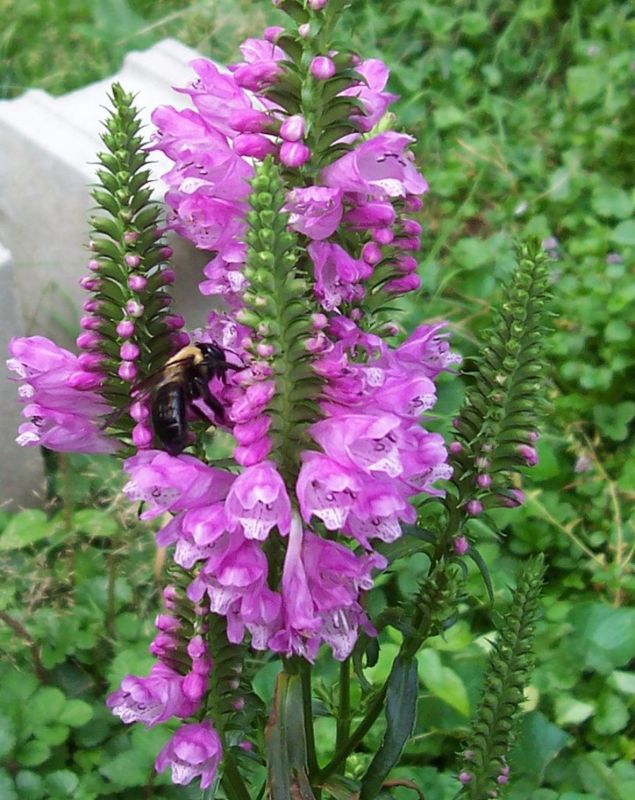
Senna leaves and pods are a powerful anthraquinone laxative — a drug dose, not a food. Grow it for the native bumblebees.
The Field Library
Books from the Futurespore shelf that go deeper on plants like this one.
- Braiding Sweetgrass reframes growing and gathering as a relationship of reciprocity
- Gaia's Garden home-scale permaculture — guilds, food forests, and beds that tend themselves
These are Bookshop.org affiliate links — they support independent bookstores and earn Futurespore a small commission at no extra cost to you. Browse the full Futurespore Bookshelf.