 AnonymousUnknown author [illustrator not stated, no signature] / Public domain · Source
Lobelia
Lobelia spp.
Overview
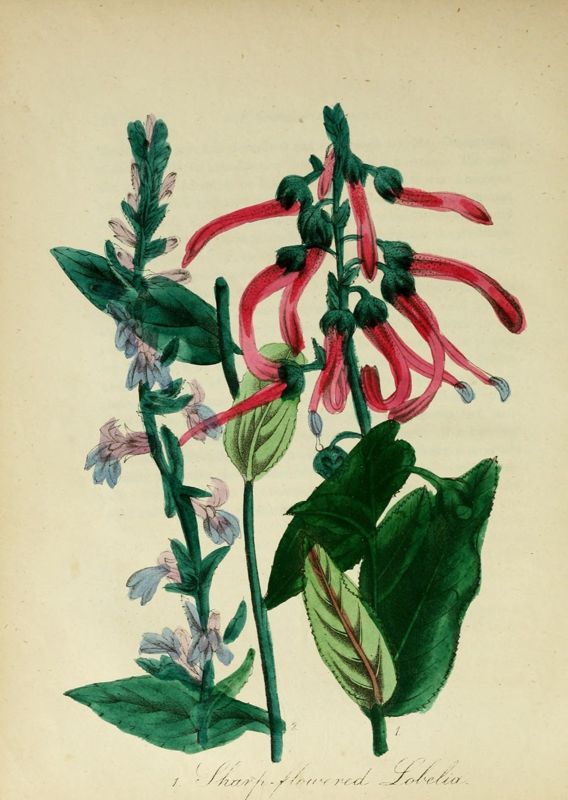
A genus with both ornamental garden annuals and potent medicinal native perennials. The delicate trailing lobelias in blue and white are garden favorites for containers and edges, while the native great blue lobelia and cardinal flower are striking wetland wildflowers. Lobelia inflata (Indian tobacco) has a significant but complex medicinal history as a respiratory herb.
Growing Conditions
How to Grow Lobelia
Lobelia (Lobelia spp.) is a forb/herb that grows to about 3 feet tall and 12 inches wide.
To grow lobelia, give it partial sun to partial shade. It is hardy across USDA hardiness zones 3–7. Plant it in rich, moist, well-drained soil; some species prefer wet conditions, at a slightly acidic pH of 5.5–7. It does best with consistently moist to wet soil.
Exact sowing, transplanting, and harvest months shift by climate zone — the planting calendar below lays them out for cool through hot regions. Its flowers appear from June through October, offering high value to pollinators. Old knowledge lives in this one; grow it, and you keep a little of that alive.
Companion Planting & Soil
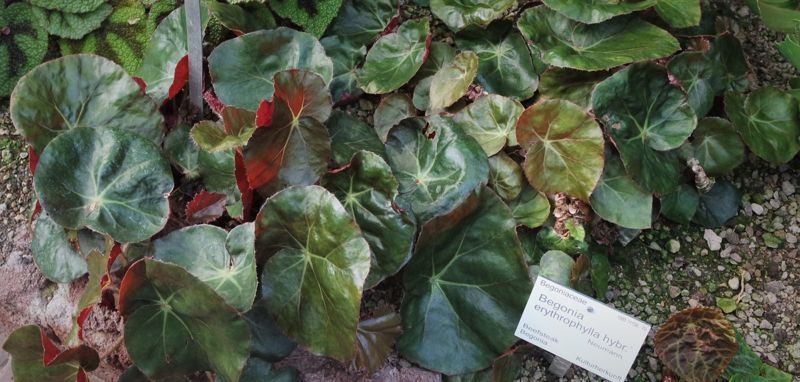
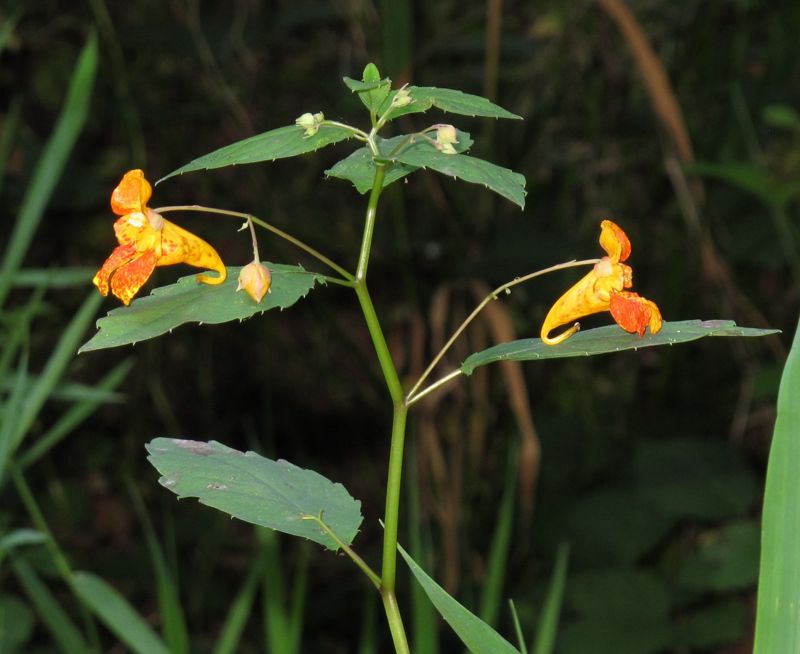
Lobelia grows well alongside fern, hosta, impatiens, and begonia.
Good Companions
Planting Calendar
When to sow, transplant, and harvest by growing zone.
| Zone | Action | Months | Notes |
|---|---|---|---|
| Cold (1-2) | Start Indoors | Feb — Mar | Start indoors 10-12 weeks early; dust-like seeds need light; very slow |
| Cold (1-2) | Transplant | Jun — Jun | Transplant after frost; trailing types superb in hanging baskets |
| Cold (1-2) | Bloom | Jun — Aug | Bloom until heat shuts it down; shear back and water — may rebloom in cool fall |
| Cool (3-4) | Start Indoors | Jan — Feb | Start indoors 12 weeks early; do not cover seeds |
| Cool (3-4) | Transplant | May — May | Transplant after last frost; part shade in warm areas |
| Cool (3-4) | Bloom | May — Jul | Spring/summer bloom; brilliant blue cascade |
| Moderate (5-7) | Transplant | Mar — Apr | Transplant in spring; electric blue flowers; cool-season performer |
| Moderate (5-7) | Bloom | Apr — Jun | Spring bloom; fades above 80°F; shear for possible fall comeback |
| Warm (8-9) | Transplant | Sep — Oct | Fall plant for cool-season bloom; dies in summer heat |
| Warm (8-9) | Bloom | Oct — Apr (wraps) | Fall through spring bloom |
| Hot (10+) | Transplant | Oct — Nov | Fall/winter plant; cool season only |
| Hot (10+) | Bloom | Nov — Mar (wraps) | Winter bloom; heat kills it |
Uses
Medicinal & Folk Use
In herbal and folk tradition, it has been valued in several ways: l. inflata historically used as a respiratory antispasmodic (professional use only); external use for muscle spasms and pain. These are traditional uses, not medical advice.
Beyond the Garden
Lobelia earns its keep past the plate, too: trailing varieties excellent for containers and hanging baskets; native species for rain gardens and wetland edges.
Safety Notes
Genuinely dangerous taken internally: lobeline acts on the body like nicotine, and overdose brings vomiting, sweating, convulsions and dangerously low blood pressure — the old name is "puke weed". Not a self-medication herb in any dose. The sap can irritate skin.
The Field Library
Books from the Futurespore shelf that go deeper on plants like this one.
- The Modern Herbal Dispensatory a working reference for tinctures, salves, and doses once you get serious
- Braiding Sweetgrass reframes growing and gathering as a relationship of reciprocity
These are Bookshop.org affiliate links — they support independent bookstores and earn Futurespore a small commission at no extra cost to you. Browse the full Futurespore Bookshelf.