Columbine
Aquilegia spp.
Overview
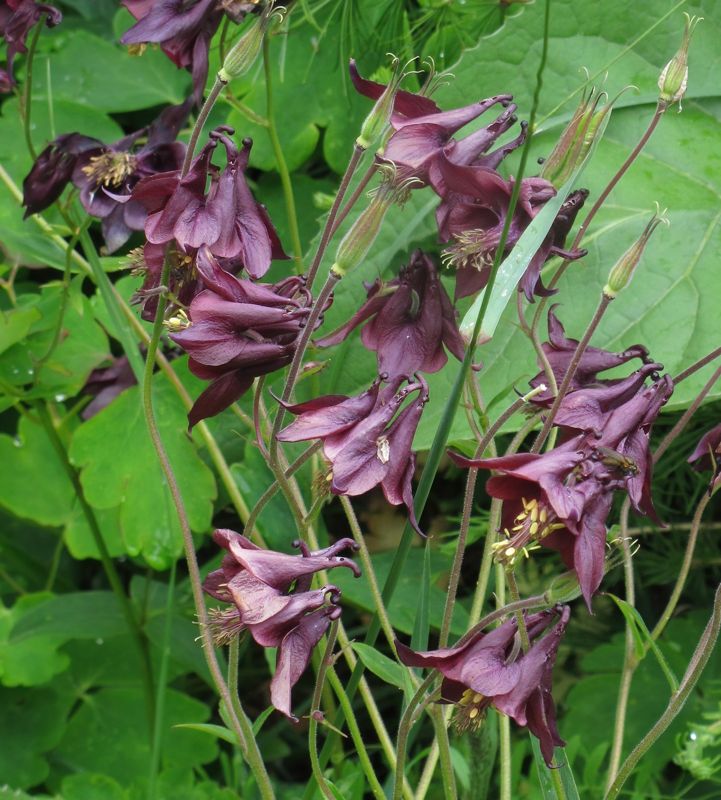
Elegant native wildflowers with distinctive spurred petals that look like a gathering of doves — the name columbine derives from the Latin for dove. These woodland perennials come in a rainbow of color combinations and freely hybridize, creating delightful surprises in the garden. Wild red-and-yellow columbine is one of the earliest hummingbird flowers to bloom in spring.
Growing Conditions
How to Grow Columbine
Columbine (Aquilegia spp.) is a forb/herb that grows to about 3 feet tall and 1 foot wide.
To grow columbine, give it partial sun to partial shade. It is hardy across USDA hardiness zones 2–6. Plant it in moist, well-drained, humus-rich soil in partial shade, at a slightly acidic pH of 5.5–7. It does best with even, moderate watering.
Exact sowing, transplanting, and harvest months shift by climate zone — the planting calendar below lays them out for cool through hot regions. Its flowers appear from March through July, offering high value to pollinators. Old knowledge lives in this one; grow it, and you keep a little of that alive.
Companion Planting & Soil
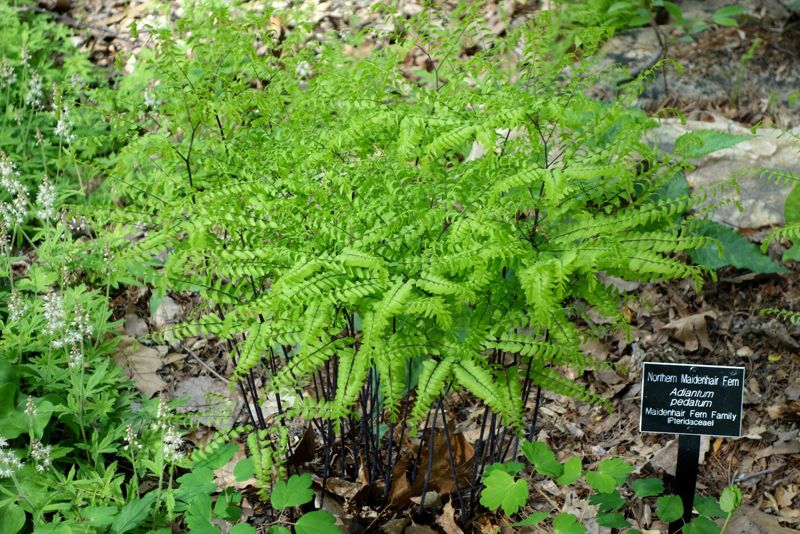
Columbine grows well alongside hosta, fern, bleeding heart, and coral bells.
Good Companions
Planting Calendar
When to sow, transplant, and harvest by growing zone.
| Zone | Action | Months | Notes |
|---|---|---|---|
| Cold (1-2) | Direct Sow | Sep — Oct | Fall sow outdoors for cold stratification; or sow indoors after 3 weeks in fridge |
| Cold (1-2) | Bloom | May — Jul | Spring/early summer bloom; first major hummingbird flower of the season |
| Cool (3-4) | Direct Sow | Sep — Oct | Fall sow; seeds need cold period; native A. canadensis best for hummingbirds |
| Cool (3-4) | Bloom | May — Jun | Late spring bloom; nodding flowers attract hummingbirds and long-tongued bees |
| Moderate (5-7) | Transplant | Mar — Apr | Transplant nursery plants in spring; self-sows freely once established |
| Moderate (5-7) | Bloom | Apr — Jun | Spring bloom; let seed heads ripen for self-sowing; short-lived perennial |
| Warm (8-9) | Transplant | Feb — Mar | Plant in late winter; afternoon shade preferred |
| Warm (8-9) | Bloom | Mar — May | Early spring bloom; fades in heat |
| Hot (10+) | Transplant | Nov — Dec | Plant in fall; needs shade; short-lived in hot climates |
| Hot (10+) | Bloom | Feb — Apr | Late winter/spring bloom; annual or short-lived perennial |
Uses
Beyond the Garden
Columbine earns its keep past the plate, too: early-spring hummingbird nectar source; self-seeding woodland garden perennial; beautiful cut flower in spring bouquets.
Safety Notes
Not recommended as food. Aquilegia seeds and roots contain cyanogenic glycosides and are poisonous; the flowers are sometimes eaten as a garnish but the margin is not worth it. Grow it for the early nectar, which hummingbirds and long-tongued bees depend on.
The Field Library
Books from the Futurespore shelf that go deeper on plants like this one.
- The Modern Herbal Dispensatory a working reference for tinctures, salves, and doses once you get serious
- Braiding Sweetgrass reframes growing and gathering as a relationship of reciprocity
These are Bookshop.org affiliate links — they support independent bookstores and earn Futurespore a small commission at no extra cost to you. Browse the full Futurespore Bookshelf.