Overview
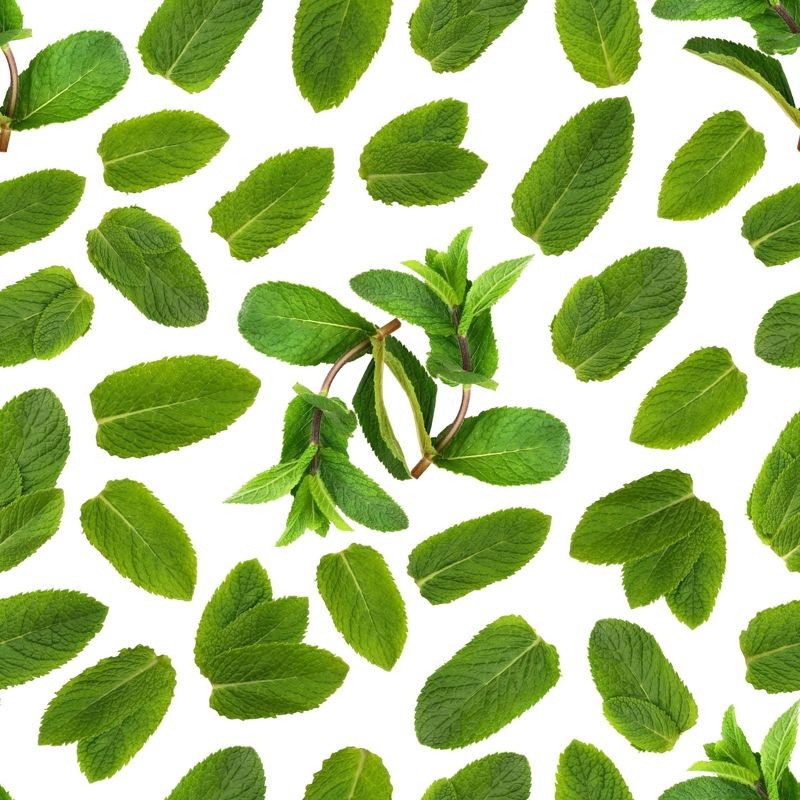
Perhaps the most widely grown herb on earth, mint's refreshing flavor and vigorous growth have made it indispensable in kitchens, medicine cabinets, and gardens for thousands of years. Spearmint, peppermint, chocolate mint, apple mint — the variety is endless, and all share the characteristic square stems and aromatic oils of the Lamiaceae family. Fair warning: mint spreads aggressively and is best grown in containers or confined areas.
Mentioned in The Mycelial Grimoire
Posts on the Grimoire that reference Mint.
Growing Conditions
How to Grow Mint
Mint (Mentha spp.) is a forb/herb that grows to about 2 feet tall and 2.5 feet wide.
Mint is hardy across USDA hardiness zones 5–11. Plant it in rich, moist, well-drained soil; extremely adaptable, at a slightly acidic pH of 6–7.
Exact sowing, transplanting, and harvest months shift by climate zone — the planting calendar below lays them out for cool through hot regions. Its flowers appear from May through August, offering high value to pollinators. It feeds two tables at once: yours and the pollinators’.
Companion Planting & Soil
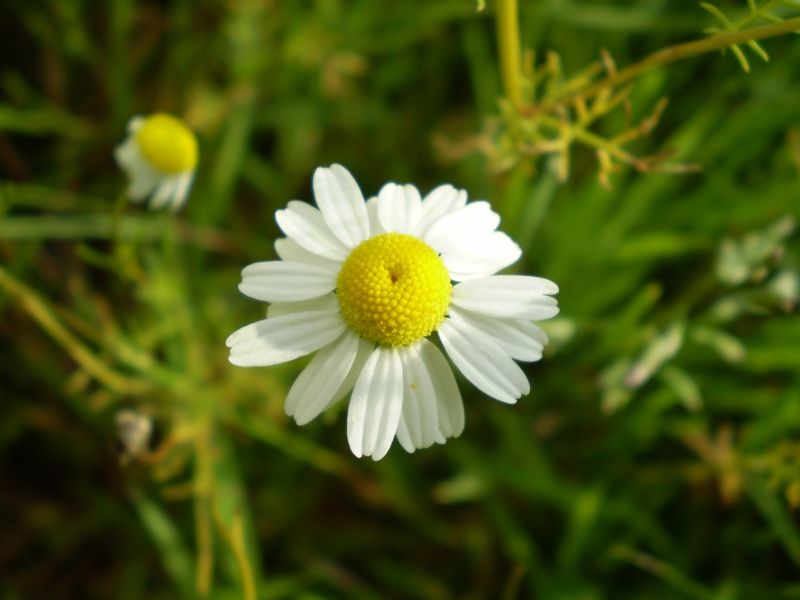
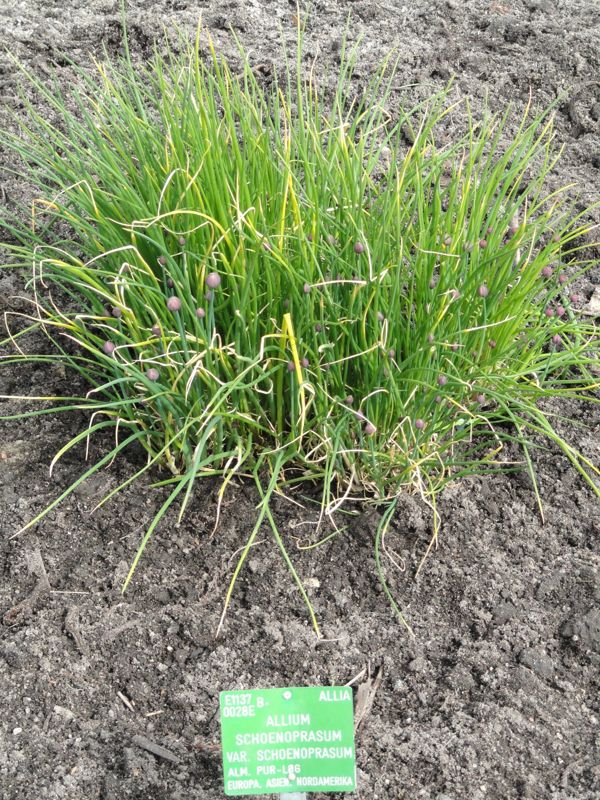
Mint grows well alongside cabbage, tomato, pea, and broccoli — but keep it clear of parsley and chamomile.
Good Companions
Avoid Planting Near
Planting Calendar
When to sow, transplant, and harvest by growing zone.
| Zone | Action | Months | Notes |
|---|---|---|---|
| Cold (1-2) | Transplant | May — Jun | Plant in containers to prevent spreading |
| Cold (1-2) | Harvest | May — Sep | Cut stems freely; pinch flowers to extend harvest |
| Cool (3-4) | Transplant | Apr — May | Plant in containers to prevent spreading |
| Cool (3-4) | Harvest | Apr — Oct | Cut stems freely |
| Moderate (5-7) | Transplant | Mar — May | Plant in containers; perennial to zone 3 |
| Moderate (5-7) | Harvest | Mar — Nov | Cut stems freely |
| Warm (8-9) | Transplant | Feb — Apr | Plant in containers |
| Warm (8-9) | Harvest | Feb — Nov | Harvest as needed |
| Hot (10+) | Transplant | Jan — Mar | Plant in containers |
| Hot (10+) | Harvest | Jan — Dec | Harvest year-round |
Uses
In the Kitchen
In the kitchen, mint turns up in more than one form: fresh in tea, mojitos, and tabbouleh; chopped into salads, sauces, and desserts; dried for tea blends and seasoning.
Medicinal & Folk Use
In herbal and folk tradition, it has been valued in several ways: peppermint oil for IBS and digestive relief (clinically studied); menthol for headache and sinus relief; calming tea for nausea and stomach upset. These are traditional uses, not medical advice.
Beyond the Garden
Mint earns its keep past the plate, too: natural pest repellent for ants, mice, and aphids; ground cover for moist, shaded areas (caution: aggressive).
The Field Library
Books from the Futurespore shelf that go deeper on plants like this one.
- Edible Wild Plants a photographic guide organized by season — good for checking an ID twice in the field
- The Resilient Gardener growing staple food through drought, flood, and hard seasons
These are Bookshop.org affiliate links — they support independent bookstores and earn Futurespore a small commission at no extra cost to you. Browse the full Futurespore Bookshelf.