Overview
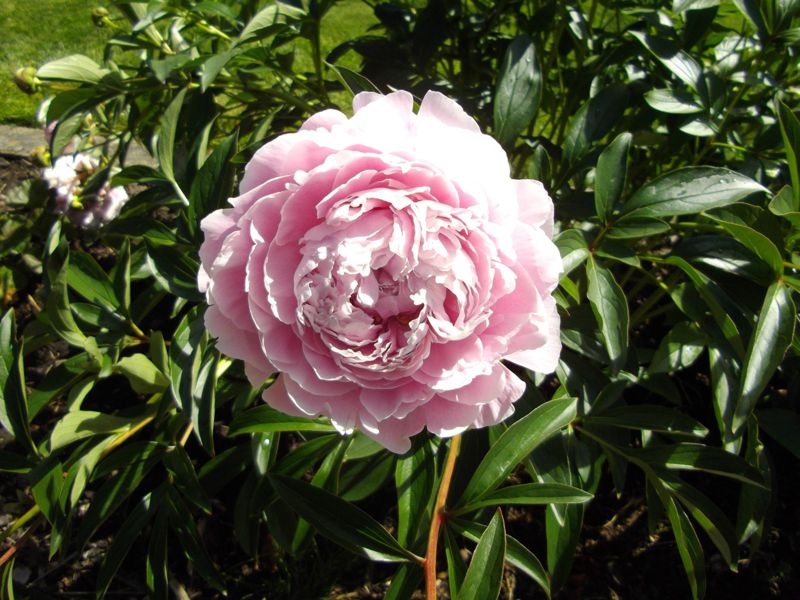
Beloved for their opulent, fragrant blooms that can last for generations — some peony plants have been documented living over 100 years. These long-lived perennials produce dinner-plate-sized flowers in every shade of pink, red, white, and yellow, often with intoxicating rose-like fragrance. Herbaceous peonies die to the ground in winter, while tree peonies develop woody stems and can grow into impressive shrubs.
Growing Conditions
How to Grow Peony
Peony is hardy across USDA hardiness zones 6–10. Plant it in rich, well-drained, fertile loam, at a slightly acidic pH of 6–7.
In practice, plant out peony September to October in cool zones and September to October in moderate zones. The details above are a starting point — your ground will teach you the rest.
Companion Planting & Soil
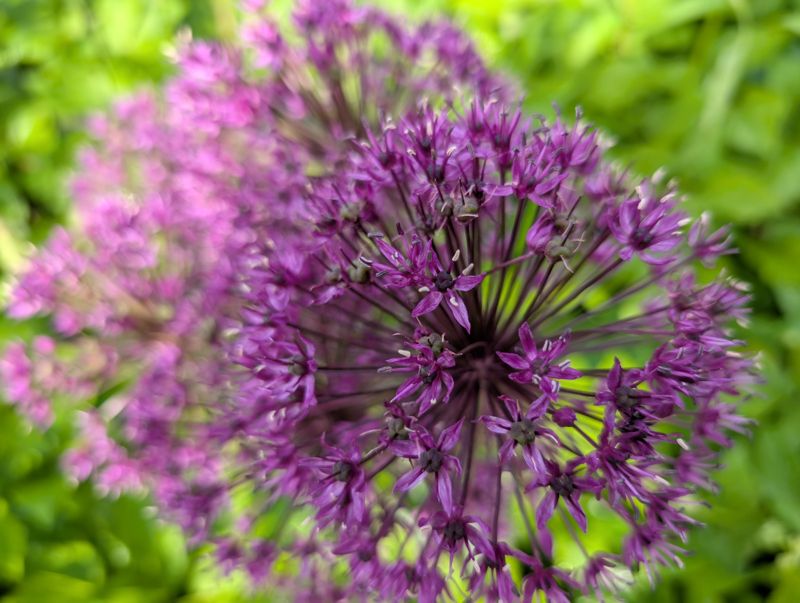
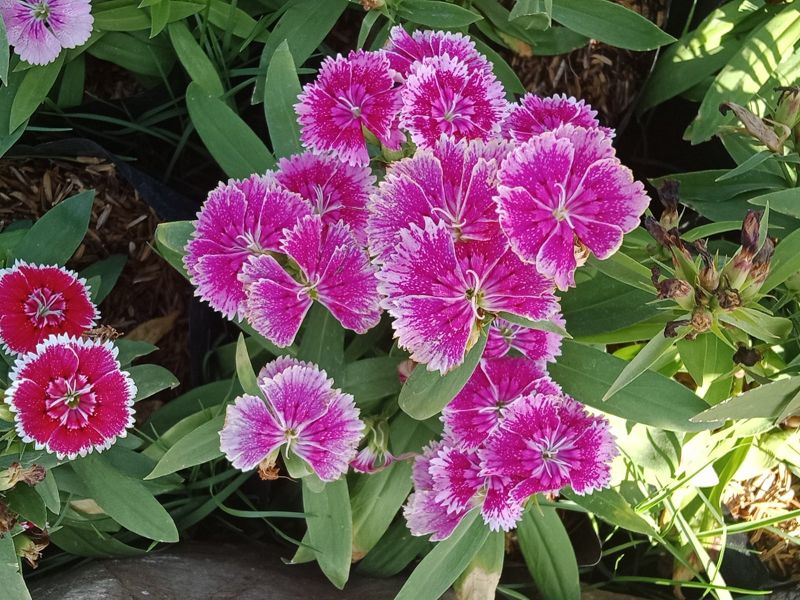
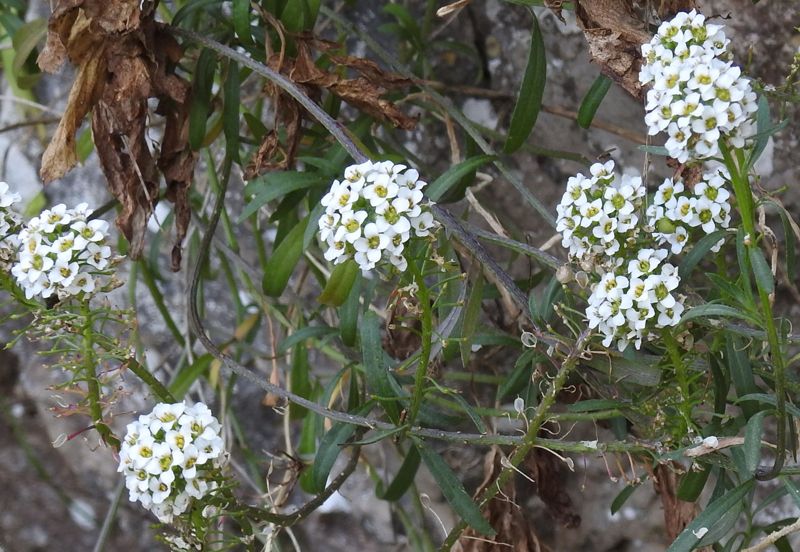
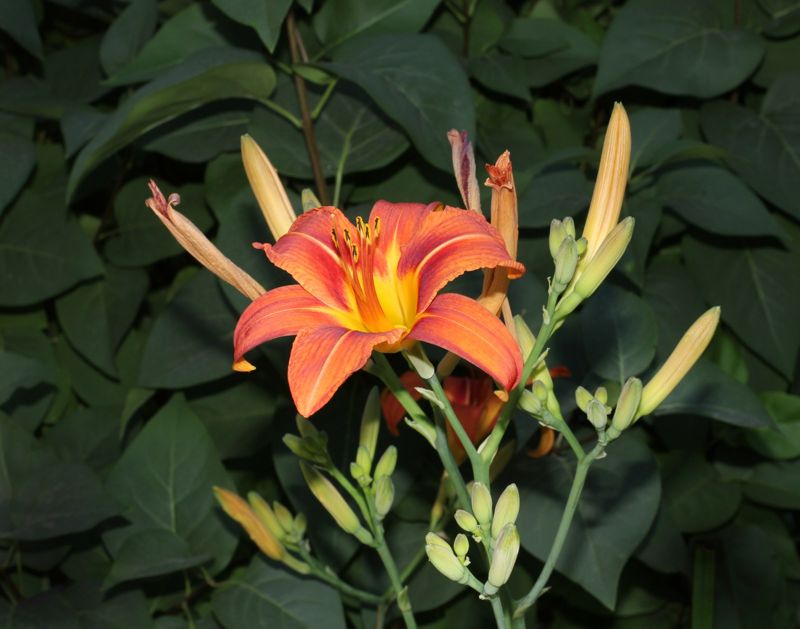
Peony grows well alongside rose, allium, iris, and lavender.
Good Companions
Planting Calendar
When to sow, transplant, and harvest by growing zone.
| Zone | Action | Months | Notes |
|---|---|---|---|
| Cool (3-4) | Transplant | Sep — Oct | Plant in fall ONLY; eyes must be 1-2 inches below soil surface |
| Moderate (5-7) | Transplant | Sep — Oct | Plant in fall; too-deep planting prevents blooming |
| Moderate (5-7) | Prune | Oct — Nov | Cut stems to ground after first hard frost |
Uses
In the Kitchen
In the kitchen, peony turns up in more than one form: petals used as garnish and in salads; peony water used in Middle Eastern desserts.
Medicinal & Folk Use
In herbal and folk tradition, it has been valued in several ways: white peony root (Bai Shao) is a major Chinese medicine herb for blood and pain; traditional use for menstrual and muscle pain. These are traditional uses, not medical advice.
Beyond the Garden
Peony earns its keep past the plate, too: quintessential cottage garden perennial with extraordinary longevity; premier cut flower for weddings and events; can live and bloom for 100+ years.
Safety Notes
Petals only, as a garnish. The Chinese medicine root (Bai Shao) is processed and prescribed by practitioners — it is not a DIY preparation.
The Field Library
Books from the Futurespore shelf that go deeper on plants like this one.
- Edible Wild Plants a photographic guide organized by season — good for checking an ID twice in the field
- The Resilient Gardener growing staple food through drought, flood, and hard seasons
These are Bookshop.org affiliate links — they support independent bookstores and earn Futurespore a small commission at no extra cost to you. Browse the full Futurespore Bookshelf.