Sage
Salvia officinalis
Overview
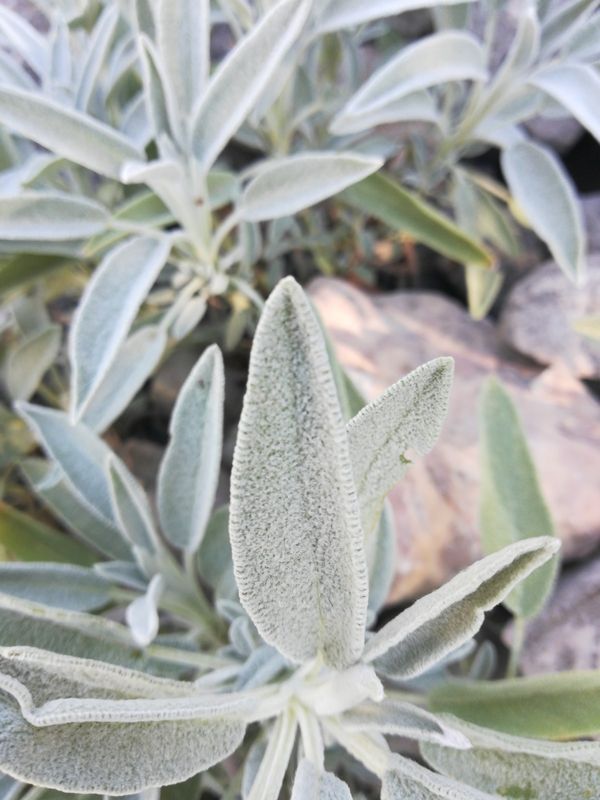
A venerable herb whose very name means 'to heal' in Latin, sage has been used medicinally and culinarily since ancient Roman times. Its soft, silvery-green leaves have a warm, slightly bitter, camphor-like flavor that is inseparable from Thanksgiving stuffing and Italian saltimbocca. Garden sage is a beautiful, low-maintenance shrub that attracts pollinators and repels pests.
Mentioned in The Mycelial Grimoire
Posts on the Grimoire that reference Sage.
Growing Conditions
How to Grow Sage
Sage (Salvia officinalis) is a forb/herb that grows to about 2.5 feet tall and 3 feet wide.
Sage is hardy across USDA hardiness zones 7–10. Plant it in well-drained, lean, sandy or loamy soil, at a slightly acidic pH of 6–7.
Exact sowing, transplanting, and harvest months shift by climate zone — the planting calendar below lays them out for cool through hot regions. Its flowers appear from May through June, offering high value to pollinators. It feeds two tables at once: yours and the pollinators’.
Companion Planting & Soil
Sage grows well alongside rosemary, thyme, cabbage, carrot, and strawberry — but keep it clear of cucumber and onion.
Good Companions
Avoid Planting Near
Planting Calendar
When to sow, transplant, and harvest by growing zone.
| Zone | Action | Months | Notes |
|---|---|---|---|
| Cold (1-2) | Transplant | Jun — Jun | Plant after last frost; perennial to zone 5 |
| Cold (1-2) | Harvest | Jun — Sep | Harvest lightly first year; freely after established |
| Cool (3-4) | Transplant | May — May | Plant after last frost |
| Cool (3-4) | Harvest | May — Oct | Harvest as needed |
| Moderate (5-7) | Transplant | Apr — May | Plant in spring |
| Moderate (5-7) | Harvest | Apr — Nov | Harvest as needed |
| Warm (8-9) | Transplant | Mar — Apr | Plant in spring |
| Warm (8-9) | Harvest | Mar — Nov | Harvest as needed |
| Hot (10+) | Transplant | Feb — Mar | Plant in late winter; may struggle in humid heat |
| Hot (10+) | Harvest | Oct — Apr (wraps) | Best in cool season |
Uses
In the Kitchen
In the kitchen, sage turns up in more than one form: classic in stuffing, sausage, and brown butter sauce; fried whole leaves as a crispy garnish; sage tea with honey — a traditional sore throat remedy.
Medicinal & Folk Use
In herbal and folk tradition, it has been valued in several ways: antimicrobial gargle for sore throats and oral health; traditionally used to reduce excessive sweating; cognitive-enhancing properties studied for memory support. These are traditional uses, not medical advice.
Beyond the Garden
Sage earns its keep past the plate, too: ornamental shrub with purple, tricolor, and golden varieties; bee and pollinator plant when flowering; smudging and ceremonial use (white sage, S. apiana).
Safety Notes
Culinary use is safe. Concentrated sage extracts and long-term high-dose tea contain enough thujone to avoid — especially in pregnancy or with epilepsy.
The Field Library
Books from the Futurespore shelf that go deeper on plants like this one.
- Northeast Foraging region-tuned wild food guidance with clear lookalike warnings
- Braiding Sweetgrass reframes growing and gathering as a relationship of reciprocity
These are Bookshop.org affiliate links — they support independent bookstores and earn Futurespore a small commission at no extra cost to you. Browse the full Futurespore Bookshelf.