Bay laurel
Overview
An aromatic evergreen tree native to the Mediterranean that has symbolized victory, wisdom, and honor since ancient Greece. Bay laurel leaves are one of the most widely used culinary herbs worldwide, lending their warm, herbal complexity to slow-cooked dishes. In mild climates it grows into a handsome tree; elsewhere it thrives in containers brought indoors for winter.
How to Grow Bay laurel
Plant it in well-drained, moderately fertile soil, at a slightly acidic pH of 6–7.
Exact sowing, transplanting, and harvest months shift by climate zone — the planting calendar below lays them out for cool through hot regions. Give it what it asks for here, and it will find its place in the garden.
Companion Planting & Soil
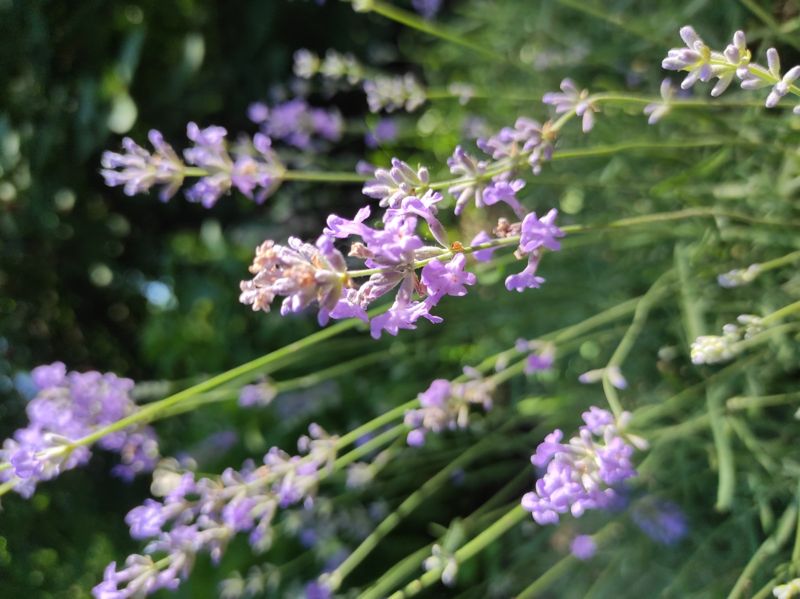
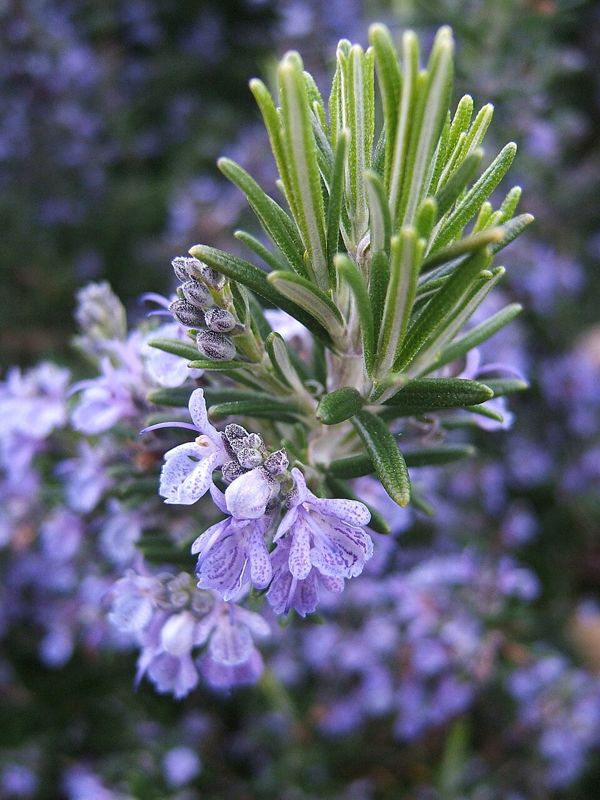
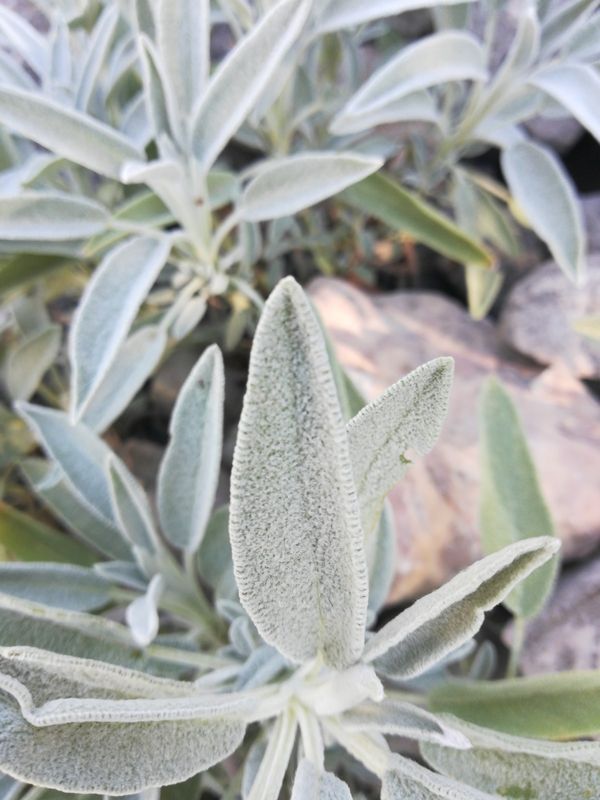
Bay laurel grows well alongside rosemary, lavender, thyme, and sage.
Good Companions
Planting Calendar
When to sow, transplant, and harvest by growing zone.
| Zone | Action | Months | Notes |
|---|---|---|---|
| Cold (1-2) | Transplant | Jun — Jun | Grow in container; bring indoors for winter; hardy only to ~10°F |
| Cold (1-2) | Harvest | Jun — Sep | Pick mature leaves anytime; older leaves have stronger flavor than young |
| Cool (3-4) | Transplant | May — Jun | Container culture recommended; move to sheltered spot or indoors in winter |
| Cool (3-4) | Harvest | May — Oct | Harvest leaves year-round if overwintered indoors |
| Moderate (5-7) | Transplant | Apr — May | Plant in spring; sheltered south-facing wall ideal; slow-growing evergreen |
| Moderate (5-7) | Harvest | Jan — Dec | Harvest evergreen leaves anytime; dry for 2 weeks for best flavor |
| Moderate (5-7) | Prune | Mar — Apr | Prune to shape in spring; responds well to hard pruning; topiary candidate |
| Warm (8-9) | Transplant | Mar — Apr | Plant in ground; grows into large shrub or small tree over time |
| Warm (8-9) | Harvest | Jan — Dec | Harvest year-round; one tree supplies a household indefinitely |
| Hot (10+) | Transplant | Feb — Mar | Plant in ground; thrives in Mediterranean climate; provide afternoon shade in desert |
| Hot (10+) | Harvest | Jan — Dec | Harvest year-round; classic culinary herb |
Uses
In the Kitchen
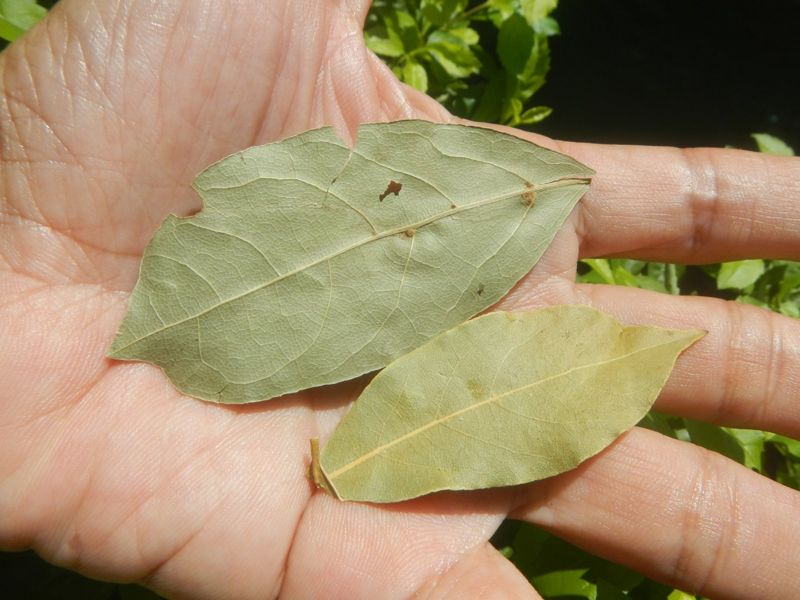
In the kitchen, bay laurel turns up in more than one form: essential in bouquet garni for soups, stews, and braises; infused into custards, rice puddings, and béchamel; dried leaves stored whole retain flavor for years.
Medicinal & Folk Use
In herbal and folk tradition, it has been valued in several ways: traditional digestive aid and carminative; essential oil used in aromatherapy for stress relief; anti-inflammatory compounds support joint health. These are traditional uses, not medical advice.
Beyond the Garden
Bay laurel earns its keep past the plate, too: ornamental topiary and container specimen; leaves placed in pantry to repel grain moths and weevils.
Safety Notes
Remove bay leaves before serving; they stay stiff and sharp when cooked and are a choking and perforation hazard if swallowed. Only true bay (Laurus nobilis) is the culinary one. Cherry laurel and mountain laurel are different plants, are poisonous, and are commonly sold as hedging.
The Field Library
Books from the Futurespore shelf that go deeper on plants like this one.
- Northeast Foraging region-tuned wild food guidance with clear lookalike warnings
- Braiding Sweetgrass reframes growing and gathering as a relationship of reciprocity
These are Bookshop.org affiliate links — they support independent bookstores and earn Futurespore a small commission at no extra cost to you. Browse the full Futurespore Bookshelf.