Lavender
Lavandula angustifolia
Overview
The iconic Mediterranean herb whose intoxicating fragrance has made it the world's most popular aromatic plant, grown commercially on millions of acres for essential oil, culinary use, and ornament. Lavender thrives in the same hot, dry, rocky conditions where most plants struggle, making it perfect for xeriscaping and Mediterranean gardens. English lavender (L. angustifolia) is the most cold-hardy and best for culinary use.
Growing Conditions
How to Grow Lavender
Lavender (Lavandula angustifolia) is a perennial subshrub that grows to about 2 feet tall and 2 feet wide.
To grow lavender, give it full sun. It is hardy across USDA hardiness zones 5–9. Plant it in well-drained, lean, alkaline, sandy or gravelly soil, at a near-neutral pH of 6.5–8. It does best with dry, sharply drained conditions.
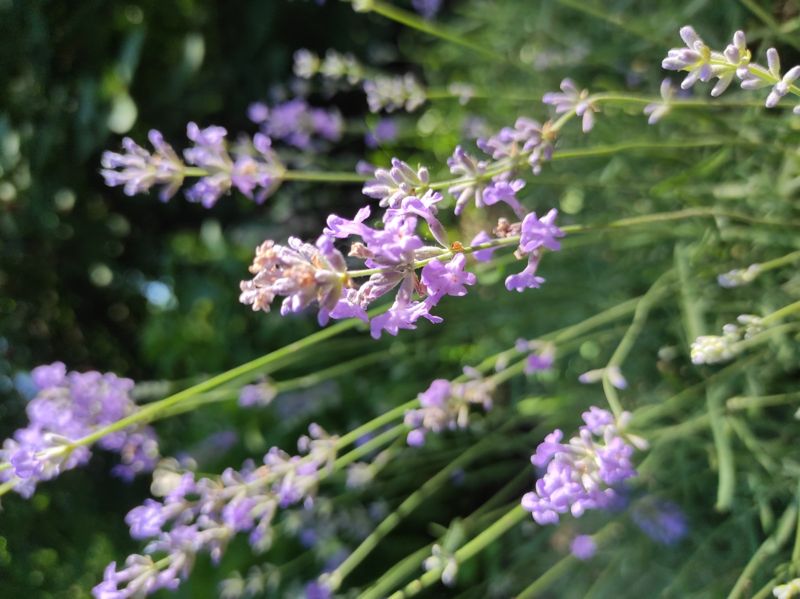
Exact sowing, transplanting, and harvest months shift by climate zone — the planting calendar below lays them out for cool through hot regions. Its purple flowers appear from May through August, offering high value to pollinators. Give it a season to establish, and it carries itself through the dry stretches.
Companion Planting & Soil
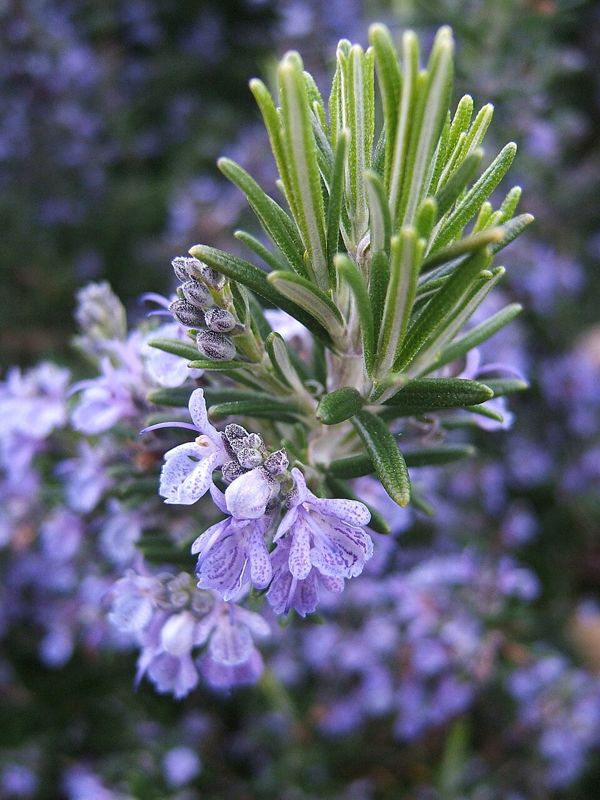
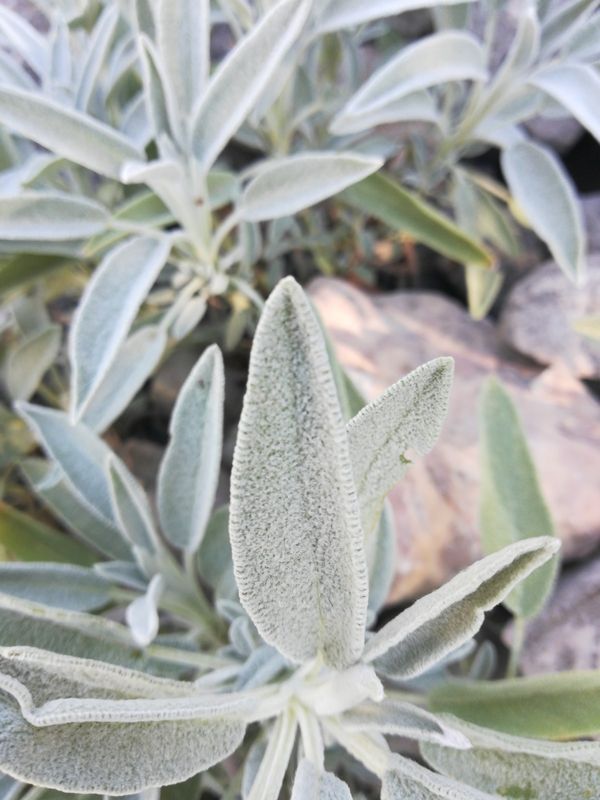
Lavender grows well alongside rosemary, sage, thyme, echinacea, and rose.
Good Companions
Planting Calendar
When to sow, transplant, and harvest by growing zone.
| Zone | Action | Months | Notes |
|---|---|---|---|
| Cold (1-2) | Transplant | Jun — Jun | Transplant after last frost; English types hardiest |
| Cold (1-2) | Harvest | Jul — Aug | Harvest when 1/3 of flower buds open |
| Cool (3-4) | Transplant | May — May | Transplant in spring; well-drained soil essential |
| Cool (3-4) | Harvest | Jun — Aug | Harvest when buds begin to open |
| Moderate (5-7) | Transplant | Apr — May | Transplant in spring |
| Moderate (5-7) | Transplant | Apr — May | Plant in spring after frost; needs excellent drainage |
| Moderate (5-7) | Harvest | Jun — Sep | Harvest flower stems for drying |
| Moderate (5-7) | Harvest | Jun — Jul | Cut stems when 1/3 of flowers are open for best fragrance |
| Moderate (5-7) | Prune | Mar — Apr | Prune 1/3 in early spring; never cut into old wood |
| Moderate (5-7) | Prune | Mar — Apr | Cut back by 1/3 in spring; never cut into woody growth |
| Warm (8-9) | Transplant | Mar — Apr | Plant in spring; Spanish/French types best |
| Warm (8-9) | Transplant | Mar — Apr | Plant in early spring; English lavender for cooking |
| Warm (8-9) | Harvest | May — Jul | Harvest before summer heat |
| Warm (8-9) | Prune | Feb — Mar | Prune 1/3 in late winter |
| Hot (10+) | Transplant | Feb — Mar | Plant in late winter |
| Hot (10+) | Harvest | Apr — Jun | Harvest in spring |
Uses
In the Kitchen
In the kitchen, lavender turns up in more than one form: buds used in herbes de Provence and baked goods; lavender honey and infused sugar; paired with lemon and berries in desserts.
Medicinal & Folk Use
In herbal and folk tradition, it has been valued in several ways: essential oil is the gold standard for anxiety and sleep support; topical use for minor burns and insect bites; aromatherapy for stress reduction and relaxation. These are traditional uses, not medical advice.
Beyond the Garden
Lavender earns its keep past the plate, too: premier bee and pollinator plant; drought-tolerant edging and hedge plant; sachets and potpourri for natural fragrance.
Safety Notes
Flowers are safe to eat in small quantities. Essential oil should not be ingested. Culinary use is safe. May cause contact dermatitis in sensitive individuals.
The Field Library
Books from the Futurespore shelf that go deeper on plants like this one.
- Medicinal Herbs: A Beginner's Guide the friendliest on-ramp to growing and using healing herbs at home
- The Forager's Harvest identification, harvest windows, and preparation from someone who eats what he teaches
- Gaia's Garden home-scale permaculture — guilds, food forests, and beds that tend themselves
These are Bookshop.org affiliate links — they support independent bookstores and earn Futurespore a small commission at no extra cost to you. Browse the full Futurespore Bookshelf.