Spaghetti squash
Cucurbita pepo
Overview
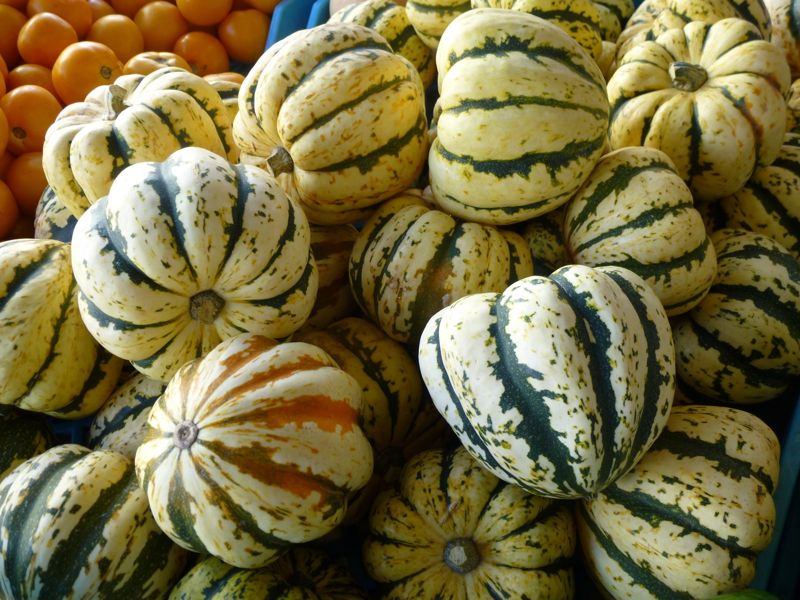
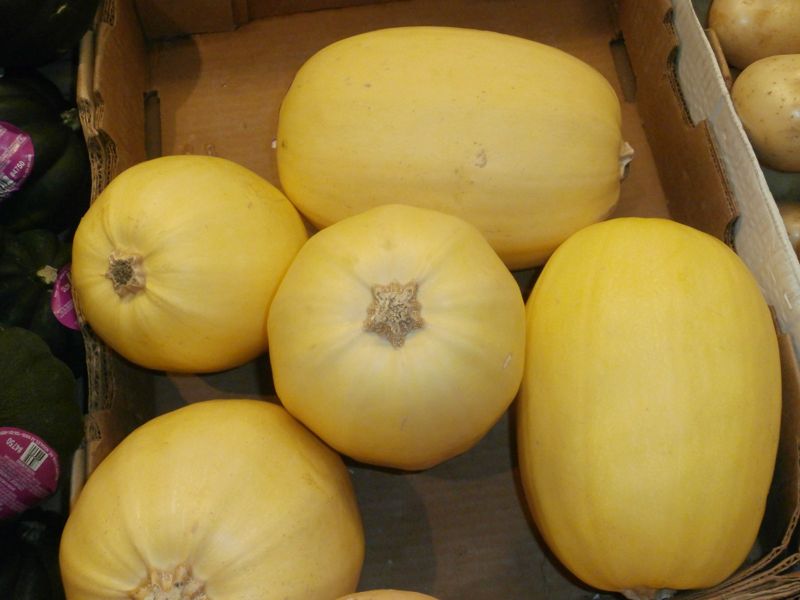
A unique winter squash whose cooked flesh separates into long, golden strands that resemble spaghetti noodles. This natural low-carb pasta substitute has made spaghetti squash one of the most popular winter squashes for health-conscious cooks. The mild, slightly sweet flesh acts as a blank canvas for sauces, pesto, and stir-fry toppings.
How to Grow Spaghetti squash
Plant it in rich, well-drained loam with plenty of compost, at a slightly acidic pH of 6–6.8.
Exact sowing, transplanting, and harvest months shift by climate zone — the planting calendar below lays them out for cool through hot regions. The details above are a starting point — your ground will teach you the rest.
Companion Planting & Soil
Spaghetti squash grows well alongside corn, bean, nasturtium, and marigold — but keep it clear of potato.
Good Companions
Avoid Planting Near
Planting Calendar
When to sow, transplant, and harvest by growing zone.
| Zone | Action | Months | Notes |
|---|---|---|---|
| Cold (1-2) | Start Indoors | Apr — May | Start indoors 3-4 weeks before last frost |
| Cold (1-2) | Transplant | Jun — Jun | Transplant after last frost; needs 90-100 days |
| Cold (1-2) | Harvest | Sep — Sep | Harvest when rind turns golden and is hard; cure 2 weeks |
| Cool (3-4) | Direct Sow | May — Jun | Direct sow when soil is 60°F; space hills 4 feet apart |
| Cool (3-4) | Harvest | Aug — Oct | Harvest when yellow and rind is hard; leave 2" stem |
| Moderate (5-7) | Direct Sow | May — Jun | Direct sow after last frost |
| Moderate (5-7) | Harvest | Aug — Oct | Harvest when skin is deep yellow; stores 2-3 months |
| Warm (8-9) | Direct Sow | Mar — Apr | Direct sow in spring |
| Warm (8-9) | Harvest | Jun — Aug | Harvest when golden yellow |
| Hot (10+) | Direct Sow | Feb — Mar | Sow in early spring |
| Hot (10+) | Harvest | May — Jul | Harvest when fully yellow; cure in shade |
Uses
In the Kitchen
In the kitchen, spaghetti squash turns up in more than one form: baked and shredded as a low-carb pasta substitute; topped with marinara, pesto, or Alfredo sauce; mixed into casseroles and frittatas.
Medicinal & Folk Use
In herbal and folk tradition, it has been valued in several ways: low-calorie, fiber-rich vegetable; good source of B vitamins and manganese; beta-carotene supports immune and eye health. These are traditional uses, not medical advice.
Beyond the Garden
Spaghetti squash earns its keep past the plate, too: long-storing winter squash (several months at room temperature).
Safety Notes
If it tastes bitter, do not eat it (cucurbitacins — see pumpkin).
The Field Library
Books from the Futurespore shelf that go deeper on plants like this one.
- Edible Wild Plants a photographic guide organized by season — good for checking an ID twice in the field
- The Resilient Gardener growing staple food through drought, flood, and hard seasons
These are Bookshop.org affiliate links — they support independent bookstores and earn Futurespore a small commission at no extra cost to you. Browse the full Futurespore Bookshelf.