Overview
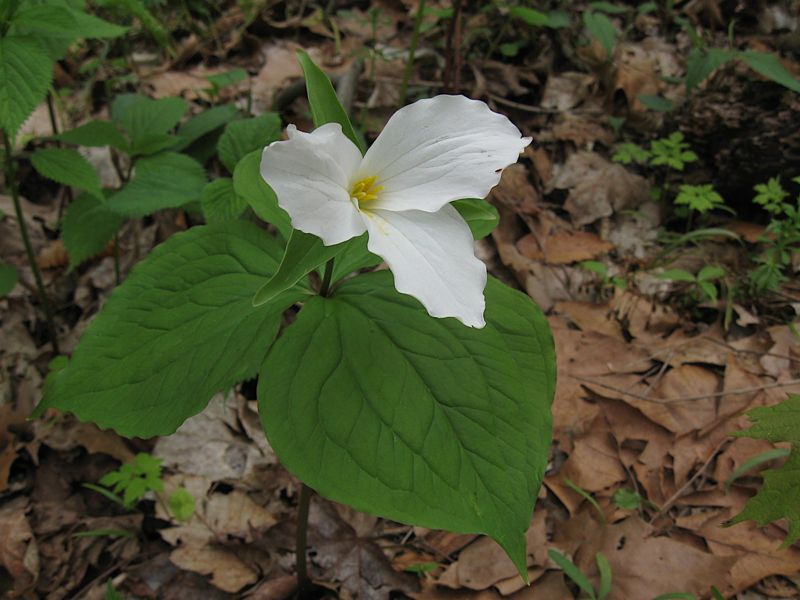
The aristocrat of North American woodland wildflowers, trilliums produce their elegant three-petaled flowers in white, red, pink, and yellow in spring. They are impossibly slow-growing — taking 7-10 years from seed to first flower — which makes each blooming plant a precious woodland treasure. Many species are threatened by habitat loss and deer browse, making conservation essential.
Growing Conditions
How to Grow Trillium
Trillium (Trillium grandiflorum) is a forb/herb that grows to about 1.5 feet tall and 11 inches wide.
To grow trillium, give it partial sun to partial shade. It is hardy across USDA hardiness zones 8–12. Plant it in rich, moist, well-drained, humusy woodland soil, at a slightly acidic pH of 5–6.5. It does best with even, moderate watering.
Exact sowing, transplanting, and harvest months shift by climate zone — the planting calendar below lays them out for cool through hot regions. Its flowers appear from May through June, offering moderate value to pollinators. Give it what it asks for here, and it will find its place in the garden.
Companion Planting & Soil
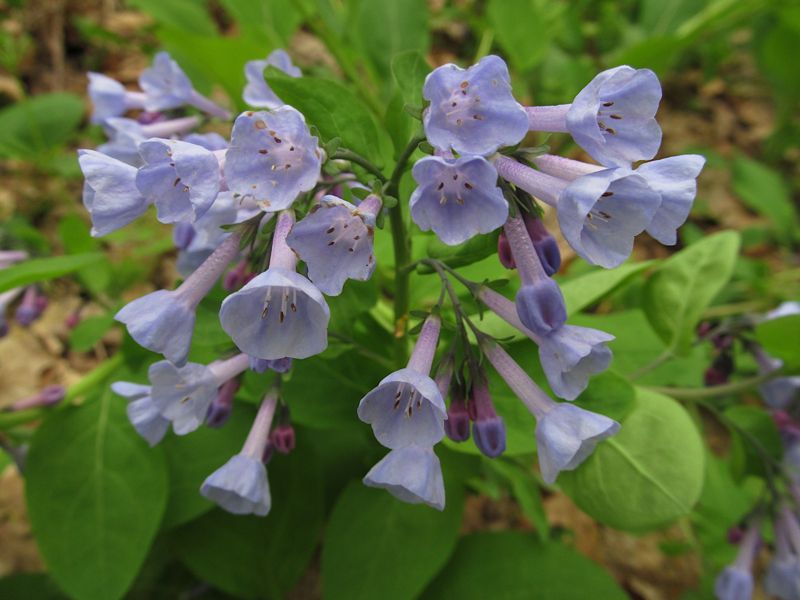
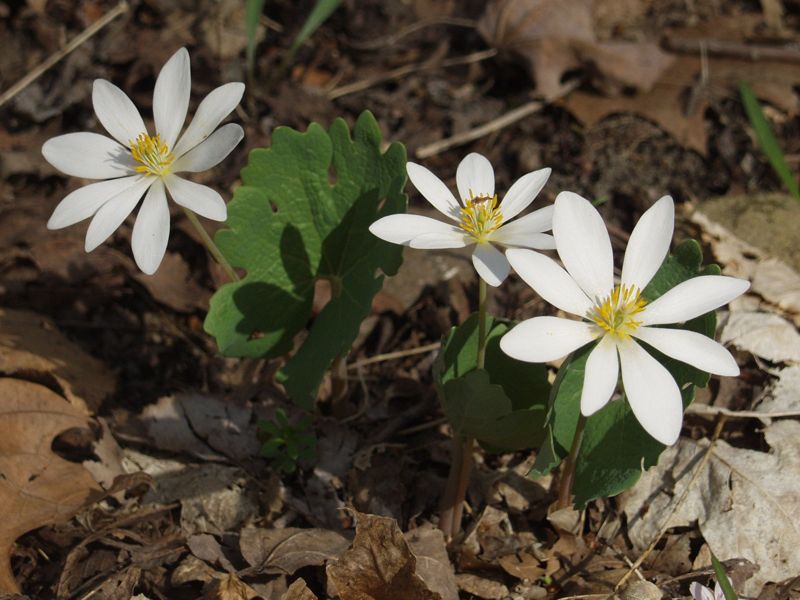
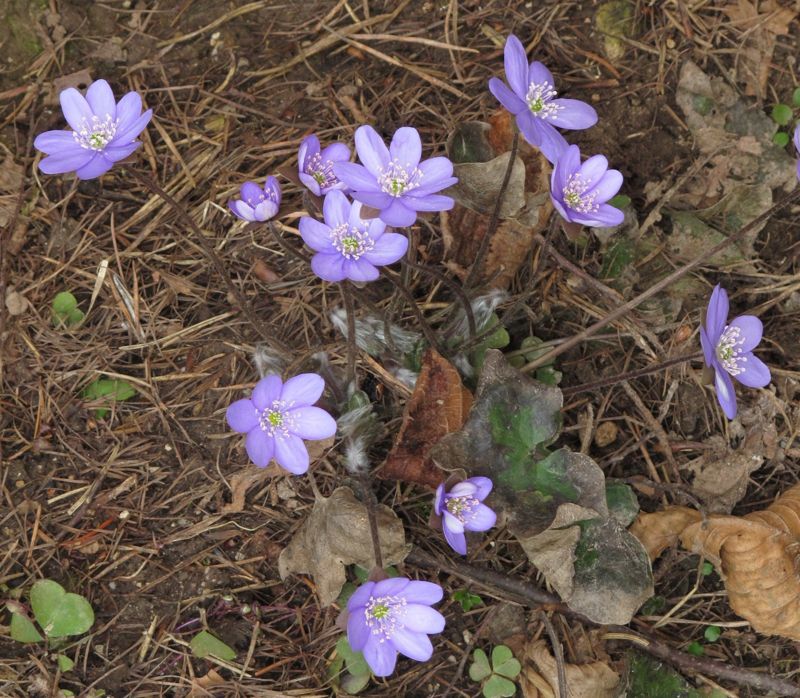
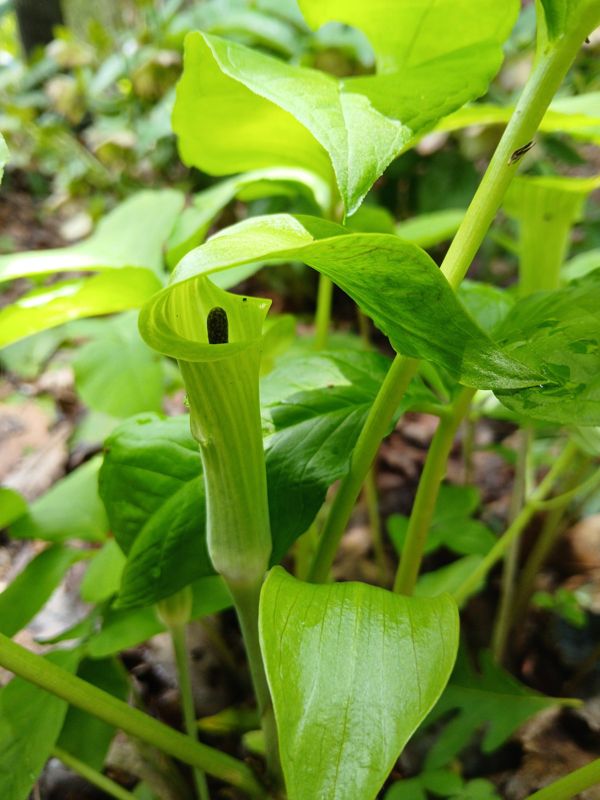
Trillium grows well alongside bloodroot, jack-in-the-pulpit, fern, and hepatica.
Good Companions
Planting Calendar
When to sow, transplant, and harvest by growing zone.
| Zone | Action | Months | Notes |
|---|---|---|---|
| Cold (1-2) | Transplant | Sep — Oct | Plant rhizomes 3-4" deep in fall; needs cold stratification; partial to full shade |
| Cold (1-2) | Bloom | May — Jun | White flowers age to pink; do NOT pick — it kills the plant; ant-dispersed seeds |
| Cool (3-4) | Transplant | Sep — Oct | Plant in fall; rich, moist, well-drained woodland soil; patience — 3-5 years to flower from rhizome |
| Cool (3-4) | Bloom | Apr — May | Spring ephemeral; foliage disappears by midsummer; mark location to avoid digging |
| Moderate (5-7) | Transplant | Oct — Nov | Fall planting; site under deciduous trees for spring light, summer shade |
| Moderate (5-7) | Bloom | Mar — May | Early spring bloom; indicator of healthy woodland ecosystem |
Uses
Beyond the Garden
Trillium earns its keep past the plate, too: treasured native woodland wildflower (7-10 years seed to bloom); conservation-critical native species; indicator of mature, healthy forest ecosystems.
Safety Notes
Not a food plant in practice. Picking trillium leaves usually kills the plant — it cannot regrow within the season — and many species are protected or in decline. Enjoy it where it grows.
The Field Library
Books from the Futurespore shelf that go deeper on plants like this one.
- Braiding Sweetgrass reframes growing and gathering as a relationship of reciprocity
- Gaia's Garden home-scale permaculture — guilds, food forests, and beds that tend themselves
These are Bookshop.org affiliate links — they support independent bookstores and earn Futurespore a small commission at no extra cost to you. Browse the full Futurespore Bookshelf.