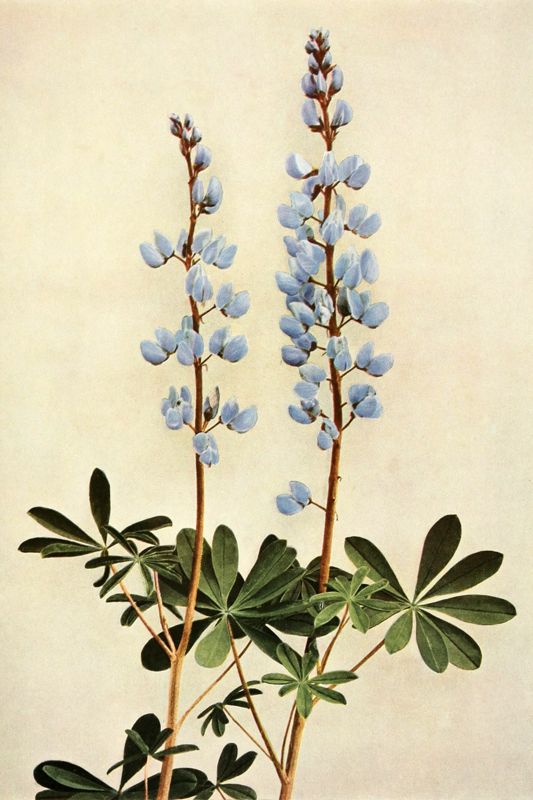
 Homer D. House, New York State Botanist. Walter B. Starr of the Matthews-Northr / Public domain · Source
Wild lupine
Lupinus perennis
Overview
A beautiful native wildflower that is the sole larval food plant for the endangered Karner blue butterfly, making its conservation critical. Wild lupine produces stunning spikes of blue-purple pea flowers in late spring over palmately compound leaves. As a legume, it fixes nitrogen in sandy, poor soils where few other plants thrive, making it a pioneer species in ecological restoration.
How to Grow Wild lupine
Plant it in sandy, well-drained, acidic, lean soil, at a slightly acidic pH of 5–6.5.
Exact sowing, transplanting, and harvest months shift by climate zone — the planting calendar below lays them out for cool through hot regions. Handle it with the respect a defended plant has earned — read the safety notes first.
Companion Planting & Soil
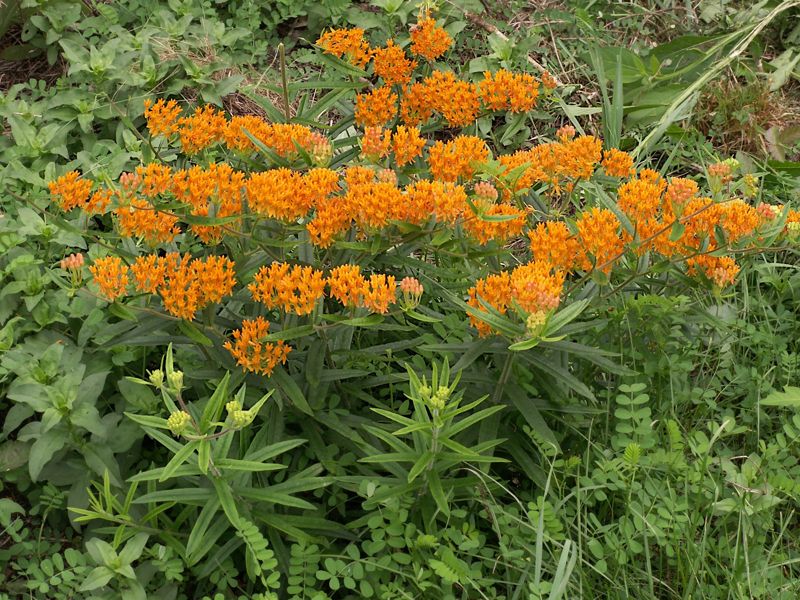
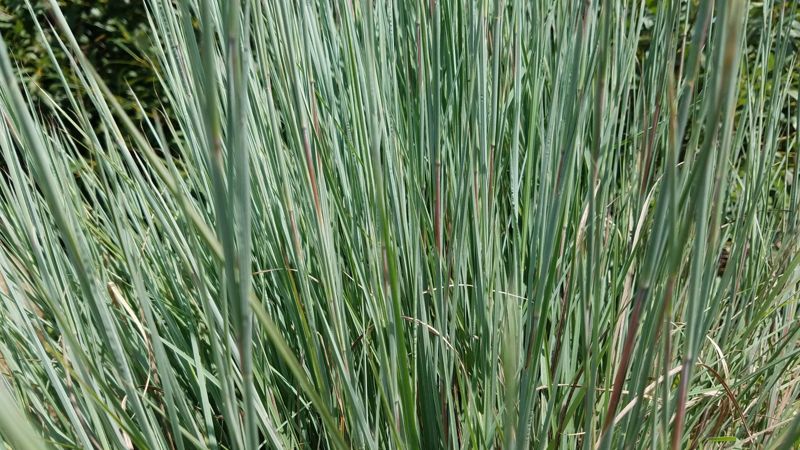
Wild lupine grows well alongside wild indigo, butterfly weed, and little bluestem.
Good Companions
Planting Calendar
When to sow, transplant, and harvest by growing zone.
| Zone | Action | Months | Notes |
|---|---|---|---|
| Cold (1-2) | Direct Sow | Oct — Nov | Fall sow for cold stratification; host plant for Karner blue butterfly |
| Cold (1-2) | Bloom | Jun — Jul | Blue-purple spikes in early summer; nitrogen fixer; do not fertilize |
| Cool (3-4) | Direct Sow | Oct — Nov | Fall sow; scarify seed with sandpaper before sowing |
| Cool (3-4) | Bloom | May — Jun | Late spring/early summer bloom; critical for endangered Karner blue butterfly |
| Moderate (5-7) | Direct Sow | Oct — Nov | Fall sow; or scarify + cold stratify 4 weeks before spring sowing |
| Moderate (5-7) | Transplant | Apr — May | Transplant nursery plants in spring; deep taproot — does not transplant well once established |
| Moderate (5-7) | Bloom | May — Jun | Spring bloom; goes semi-dormant after flowering; interplant with later bloomers |
| Warm (8-9) | Transplant | Feb — Mar | Plant in late winter; prefers sandy, well-drained acidic soil |
| Warm (8-9) | Bloom | Mar — May | Spring bloom; needs excellent drainage and lean soil |
Uses
Beyond the Garden
Wild lupine earns its keep past the plate, too: critical host plant for endangered Karner blue butterfly; nitrogen-fixing pioneer species for sandy, poor soils; beautiful native wildflower for meadow gardens.
Safety Notes
Lupines contain bitter quinolizidine alkaloids, most concentrated in the seeds. The lupini beans sold in jars are special low-alkaloid cultivars processed by long soaking — nothing to attempt with garden or wild plants.
The Field Library
Books from the Futurespore shelf that go deeper on plants like this one.
- Braiding Sweetgrass reframes growing and gathering as a relationship of reciprocity
- Gaia's Garden home-scale permaculture — guilds, food forests, and beds that tend themselves
These are Bookshop.org affiliate links — they support independent bookstores and earn Futurespore a small commission at no extra cost to you. Browse the full Futurespore Bookshelf.