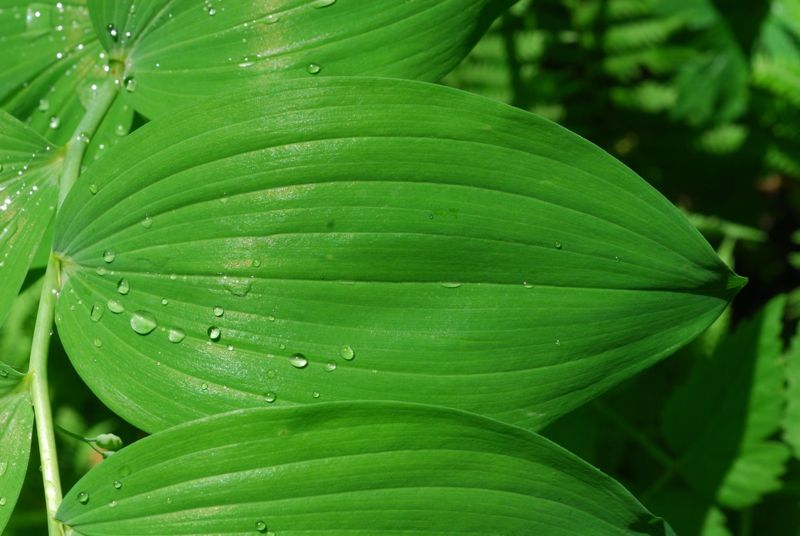
Hosta
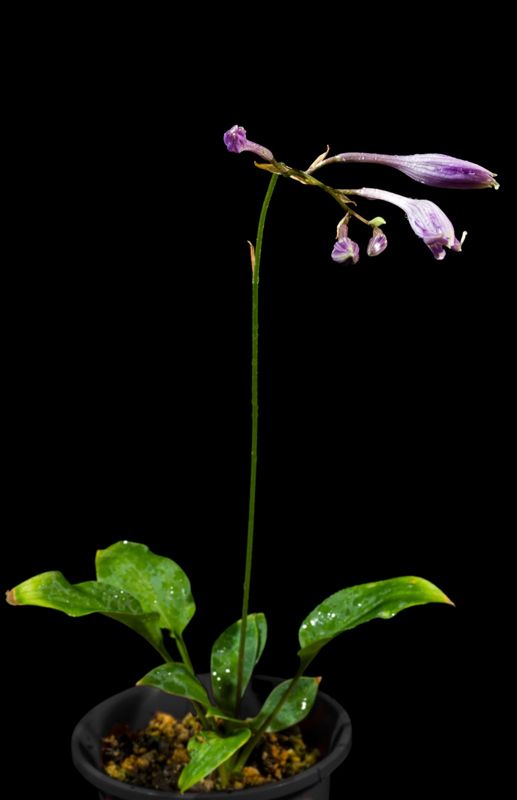
Hosta tsushimensis
Overview
The undisputed queen of shade gardens, hostas offer an extraordinary diversity of leaf sizes, shapes, colors, and textures — from tiny mouse-ear varieties to enormous 'Sum and Substance' with leaves the size of dinner plates. They are long-lived, low-maintenance perennials that improve with age, and their late-summer flowers are sweetly fragrant and loved by hummingbirds. In Japan and Korea, hostas are also grown as a vegetable.
Growing Conditions
How to Grow Hosta
Hosta (Hosta tsushimensis) is a forb/herb that grows to about 1.5 feet tall and 3 feet wide.
Hosta is hardy across USDA hardiness zones 5–9. Plant it in rich, moist, well-drained soil with plenty of organic matter, at a slightly acidic pH of 6–7.5.
In practice, plant out hosta May to June in cool zones and April to May in moderate zones. Its flowers appear from May through June, offering moderate value to pollinators. Match it to the right spot, and the rest is mostly patience.
Companion Planting & Soil
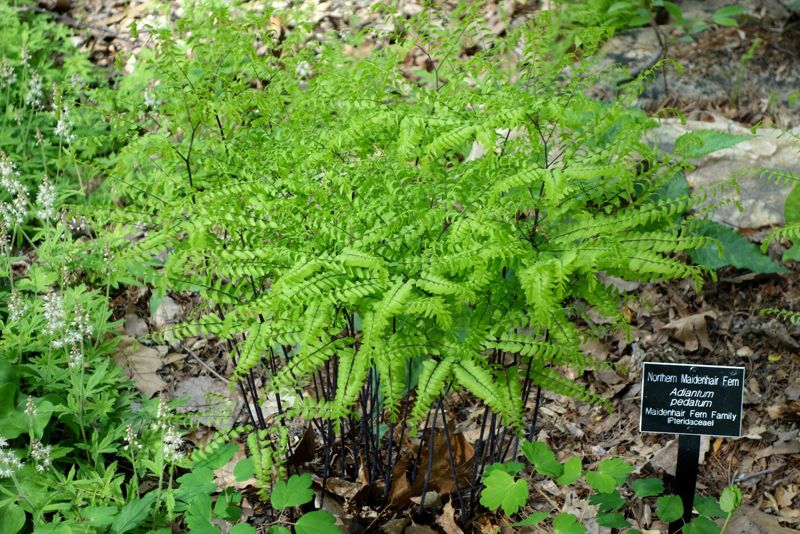
Hosta grows well alongside fern, astilbe, bleeding heart, and heuchera.
Good Companions
Planting Calendar
When to sow, transplant, and harvest by growing zone.
| Zone | Action | Months | Notes |
|---|---|---|---|
| Cool (3-4) | Transplant | May — Jun | Plant after frost; shade garden essential |
| Moderate (5-7) | Transplant | Apr — May | Plant in spring or fall; morning sun OK in cooler zones |
| Moderate (5-7) | Divide | Apr — May | Divide in spring as eyes emerge; each division needs 3+ eyes |
Uses
In the Kitchen
In the kitchen, hosta turns up in more than one form: young shoots (hostons) eaten in Japan like asparagus; flash-fried or pickled in Japanese cuisine.
Beyond the Garden
Hosta earns its keep past the plate, too: premier shade garden perennial with thousands of cultivars; ground cover for suppressing weeds under trees; fragrant late-summer flowers attract hummingbirds.
Safety Notes
For people: young shoots are a real Japanese vegetable — but only from plants you know have never been sprayed, which rules out most nursery hostas. For pets: hostas are toxic to dogs and cats (saponins).
The Field Library
Books from the Futurespore shelf that go deeper on plants like this one.
- The Forager's Harvest identification, harvest windows, and preparation from someone who eats what he teaches
- Gaia's Garden home-scale permaculture — guilds, food forests, and beds that tend themselves
These are Bookshop.org affiliate links — they support independent bookstores and earn Futurespore a small commission at no extra cost to you. Browse the full Futurespore Bookshelf.