Basil
Ocimum basilicum
Overview
An aromatic culinary herb prized for its sweet, slightly peppery flavor and essential role in Italian, Thai, and Vietnamese cuisines. Basil thrives in warmth and is one of the most rewarding herbs for home growers — a few plants will supply a household through summer. Pinching flower buds keeps leaves tender and extends harvest.
Mentioned in The Mycelial Grimoire
Posts on the Grimoire that reference Basil.
Growing Conditions
How to Grow Basil
Basil (Ocimum basilicum) is a bushy annual that grows to about 1.5 feet tall and 12 inches wide.
To grow basil, give it full sun. It is hardy across USDA hardiness zones 2–11. Plant it in rich, well-drained loam with consistent moisture, at a slightly acidic pH of 6–7. It does best with even, moderate watering.
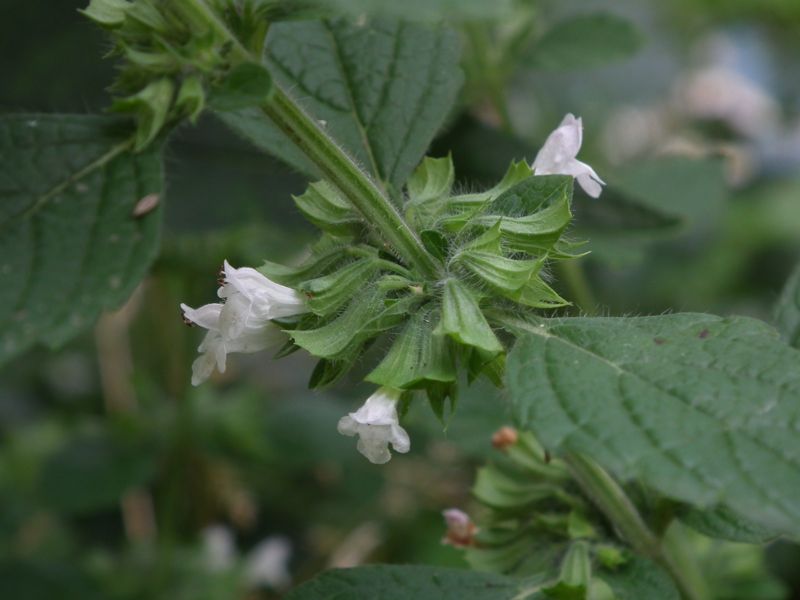
Exact sowing, transplanting, and harvest months shift by climate zone — the planting calendar below lays them out for cool through hot regions. Its white to pale purple flowers appear from July through September, offering high value to pollinators. A generous plant — a harvest for you, and forage for the pollinators.
Companion Planting & Soil
Basil grows well alongside tomato, pepper, oregano, and marigold — but keep it clear of rue and sage.
Good Companions
Avoid Planting Near
Planting Calendar
When to sow, transplant, and harvest by growing zone.
| Zone | Action | Months | Notes |
|---|---|---|---|
| Cold (1-2) | Start Indoors | Apr — May | Start indoors 6 weeks before last frost; needs warmth (70°F+) to germinate |
| Cold (1-2) | Transplant | Jun — Jun | Transplant after all frost risk; soil must be 60°F+ |
| Cold (1-2) | Harvest | Jul — Sep | Pinch tops above leaf node to encourage branching |
| Cool (3-4) | Start Indoors | Mar — Apr | Start seeds indoors under lights |
| Cool (3-4) | Transplant | May — Jun | Transplant when nights stay above 50°F |
| Cool (3-4) | Harvest | Jun — Sep | Harvest frequently; never strip more than 1/3 of plant |
| Moderate (5-7) | Direct Sow | May — Jun | Direct sow once soil is warm; pinch flowers to extend harvest |
| Moderate (5-7) | Harvest | Jun — Oct | Pick leaves regularly; pinch flower buds to keep leaves tender |
| Warm (8-9) | Direct Sow | Mar — May | Sow in spring; succession plant every 3-4 weeks |
| Warm (8-9) | Harvest | May — Nov | Continuous harvest through warm months |
| Hot (10+) | Direct Sow | Feb — Apr | Sow in late winter; may need shade cloth in peak summer |
| Hot (10+) | Harvest | Apr — Nov | Year-round in mild winters; protect from frost |
Uses
In the Kitchen
In the kitchen, basil turns up in more than one form: fresh in pesto, caprese salad, and pasta sauces; infused into oils and vinegars; layered fresh in sandwiches and on pizza.
Medicinal & Folk Use
In herbal and folk tradition, it has been valued in several ways: traditionally used for digestive support; mild anti-inflammatory and antibacterial properties. These are traditional uses, not medical advice.
Beyond the Garden
Basil earns its keep past the plate, too: repels mosquitoes and flies when grown near patios; companion plant to tomatoes — said to improve flavor and deter pests.
The Field Library
Books from the Futurespore shelf that go deeper on plants like this one.
- Medicinal Herbs: A Beginner's Guide the friendliest on-ramp to growing and using healing herbs at home
- Northeast Foraging region-tuned wild food guidance with clear lookalike warnings
- Braiding Sweetgrass reframes growing and gathering as a relationship of reciprocity
These are Bookshop.org affiliate links — they support independent bookstores and earn Futurespore a small commission at no extra cost to you. Browse the full Futurespore Bookshelf.