Cilantro
Coriandrum sativum
Overview
A fast-growing herb with two distinct culinary lives: fresh leaves (cilantro) and dried seeds (coriander). Cool-weather lover that bolts in heat — succession planting every 3 weeks ensures continuous fresh harvest. A polarizing flavor (genetic — some taste soap), but indispensable in Mexican, Indian, and Southeast Asian cuisines.
Mentioned in The Mycelial Grimoire
Posts on the Grimoire that reference Cilantro.
Growing Conditions
How to Grow Cilantro
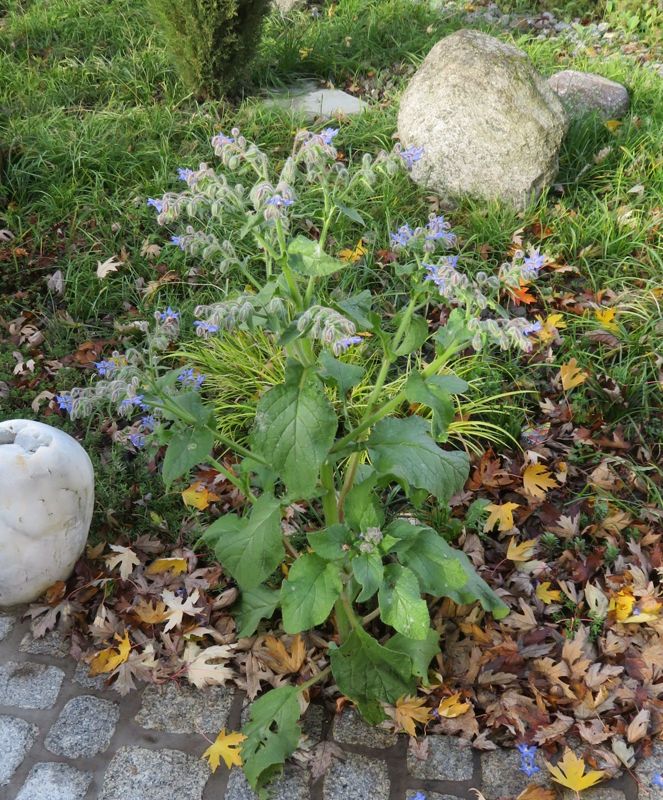
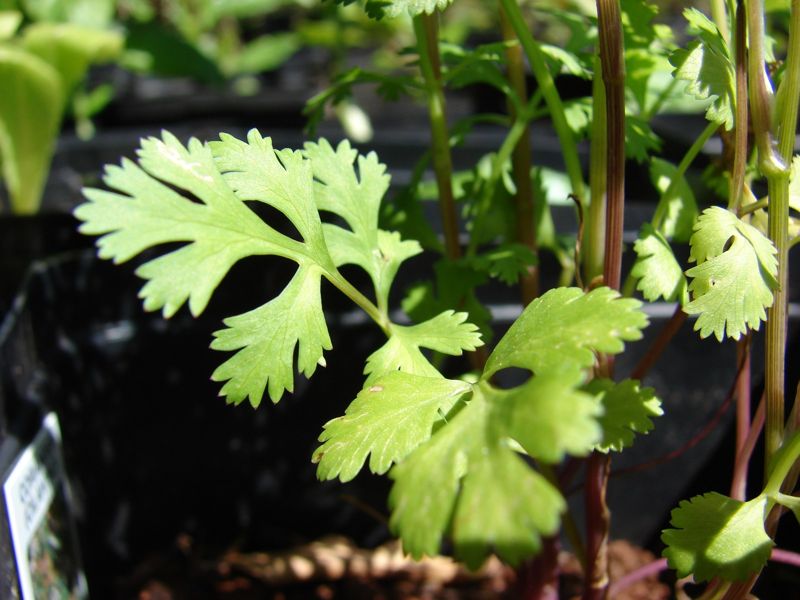
Cilantro (Coriandrum sativum) is an upright annual that grows to about 1.5 feet tall and 8 inches wide.
To grow cilantro, give it full sun. It is hardy across USDA hardiness zones 2–11. Plant it in light, well-drained, moderately fertile, at a slightly acidic pH of 6.2–6.8. It does best with even, moderate watering.
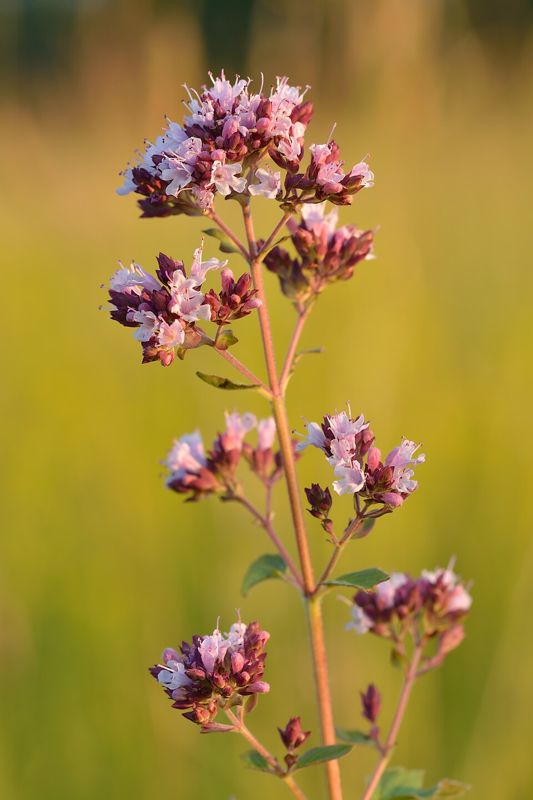
Exact sowing, transplanting, and harvest months shift by climate zone — the planting calendar below lays them out for cool through hot regions. Its white to pale pink flowers appear from June through August, offering high value to pollinators. Food and forage in one stand — plant it where both you and the pollinators can reach.
Companion Planting & Soil
Cilantro grows well alongside tomato, pepper, beans, and spinach — but keep it clear of fennel.
Good Companions
Avoid Planting Near
Planting Calendar
When to sow, transplant, and harvest by growing zone.
| Zone | Action | Months | Notes |
|---|---|---|---|
| Cold (1-2) | Direct Sow | May — Jun | Direct sow after last frost; bolts in heat — succession sow every 3 weeks |
| Cold (1-2) | Harvest | Jun — Aug | Pick outer leaves; let inner growth continue; harvest seeds (coriander) when brown |
| Cool (3-4) | Direct Sow | Apr — Jun | Sow as soon as soil is workable; prefers cool weather |
| Cool (3-4) | Harvest | May — Sep | Cut whole plants at base before they bolt for largest harvest |
| Moderate (5-7) | Direct Sow | Mar — May | Sow in spring and again in fall; bolts quickly in summer heat |
| Moderate (5-7) | Direct Sow | Aug — Sep | Fall sowing produces fresh harvests through autumn |
| Moderate (5-7) | Harvest | Apr — Jun | Spring harvest before bolting; let some go to seed for coriander |
| Moderate (5-7) | Harvest | Sep — Nov | Fall harvest after summer heat passes |
| Warm (8-9) | Direct Sow | Feb — Apr | Plant late winter / early spring; not heat tolerant |
| Warm (8-9) | Direct Sow | Sep — Nov | Fall and winter crop in mild climates |
| Warm (8-9) | Harvest | Mar — May | Harvest in cool months; self-seeds readily |
| Hot (10+) | Direct Sow | Oct — Feb (wraps) | Cool-season crop; only grows in winter months |
| Hot (10+) | Harvest | Nov — Mar (wraps) | Winter harvest; plants bolt rapidly when weather warms |
Uses
In the Kitchen
In the kitchen, cilantro turns up in more than one form: fresh leaves in salsas, guacamole, curries, and noodle soups; dried seeds (coriander) in baking, spice blends, and pickling; roots used in Thai cooking for curry pastes.
Medicinal & Folk Use
In herbal and folk tradition, it has been valued in several ways: traditionally used to aid digestion; studied for heavy-metal chelation properties. These are traditional uses, not medical advice.
Beyond the Garden
Cilantro earns its keep past the plate, too: excellent pollinator plant when allowed to flower; attracts beneficial predatory wasps.
The Field Library
Books from the Futurespore shelf that go deeper on plants like this one.
- The Modern Herbal Dispensatory a working reference for tinctures, salves, and doses once you get serious
- The Forager's Harvest identification, harvest windows, and preparation from someone who eats what he teaches
- Gaia's Garden home-scale permaculture — guilds, food forests, and beds that tend themselves
These are Bookshop.org affiliate links — they support independent bookstores and earn Futurespore a small commission at no extra cost to you. Browse the full Futurespore Bookshelf.