Lemon balm
Melissa officinalis
Overview
A vigorous lemon-scented herb in the mint family that has been cultivated for over 2,000 years as a mood-lifting, calming tea. The 11th-century herbalist Avicenna prescribed it to 'make the heart merry,' and modern research has validated its anti-anxiety and cognitive-enhancing effects. Like its mint relatives, lemon balm spreads enthusiastically and is best contained or given its own dedicated patch.
Mentioned in The Mycelial Grimoire
Posts on the Grimoire that reference Lemon balm.
Growing Conditions
How to Grow Lemon balm
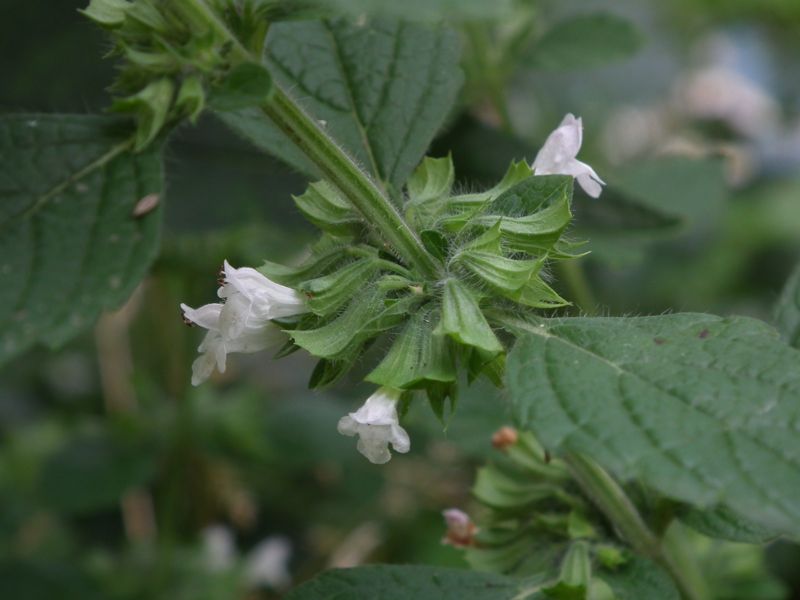
Lemon balm (Melissa officinalis) is a perennial forb/herb that grows to about 2 feet tall and 1.5 feet wide.
To grow lemon balm, give it full sun, though it tolerates a little shade. It is hardy across USDA hardiness zones 3–9. Plant it in moist, well-drained, fertile soil; tolerates most conditions, at a slightly acidic pH of 6–7.5. It does best with even, moderate watering.
Exact sowing, transplanting, and harvest months shift by climate zone — the planting calendar below lays them out for cool through hot regions. Its flowers appear from May through August, offering high value to pollinators. Once its roots take hold, it asks little of you.
Companion Planting & Soil
Lemon balm grows well alongside tomato, squash, fruit trees, and brassicas.
Good Companions
Planting Calendar
When to sow, transplant, and harvest by growing zone.
| Zone | Action | Months | Notes |
|---|---|---|---|
| Cold (1-2) | Start Indoors | Mar — Apr | Start indoors 6-8 weeks before last frost; slow to germinate |
| Cold (1-2) | Transplant | May — Jun | Transplant after last frost; perennial to zone 4 |
| Cold (1-2) | Harvest | Jun — Sep | Harvest before flowering for best flavor; cut stems to 2" |
| Cool (3-4) | Transplant | Apr — May | Plant in spring; contain to prevent spreading |
| Cool (3-4) | Harvest | May — Oct | Harvest leaves as needed; cut back hard to rejuvenate |
| Moderate (5-7) | Transplant | Mar — May | Plant in spring; self-sows aggressively — deadhead flowers |
| Moderate (5-7) | Harvest | Apr — Nov | Harvest throughout growing season |
| Moderate (5-7) | Divide | Mar — Apr | Divide clumps every 3-4 years in early spring |
| Warm (8-9) | Transplant | Feb — Mar | Plant in early spring or fall |
| Warm (8-9) | Transplant | Sep — Oct | Fall planting |
| Warm (8-9) | Harvest | Mar — Nov | Harvest as needed; may persist year-round |
| Hot (10+) | Transplant | Oct — Nov | Plant in fall; part shade preferred in hot zones |
| Hot (10+) | Harvest | Jan — Dec | Harvest year-round; cut back in summer heat |
Uses
In the Kitchen
In the kitchen, lemon balm turns up in more than one form: fresh leaves brewed as a lemony herbal tea; chopped into salads, marinades, and pesto; flavoring for lemon balm syrup and infused water.
Medicinal & Folk Use
In herbal and folk tradition, it has been valued in several ways: clinically studied for anxiety reduction and improved mood; traditional remedy for cold sores (topical); calming digestive tea for stomach upset and bloating. These are traditional uses, not medical advice.
Beyond the Garden
Lemon balm earns its keep past the plate, too: excellent bee plant (Melissa means 'honey bee' in Greek); pest-deterrent companion plant; lemon-scented groundcover or container herb.
Safety Notes
Safe as a culinary herb and tea. Medicinal doses may interfere with thyroid medication — check with your doctor if you take one.
The Field Library
Books from the Futurespore shelf that go deeper on plants like this one.
- The Modern Herbal Dispensatory a working reference for tinctures, salves, and doses once you get serious
- Northeast Foraging region-tuned wild food guidance with clear lookalike warnings
- Braiding Sweetgrass reframes growing and gathering as a relationship of reciprocity
These are Bookshop.org affiliate links — they support independent bookstores and earn Futurespore a small commission at no extra cost to you. Browse the full Futurespore Bookshelf.