Bee balm
Monarda didyma
Overview
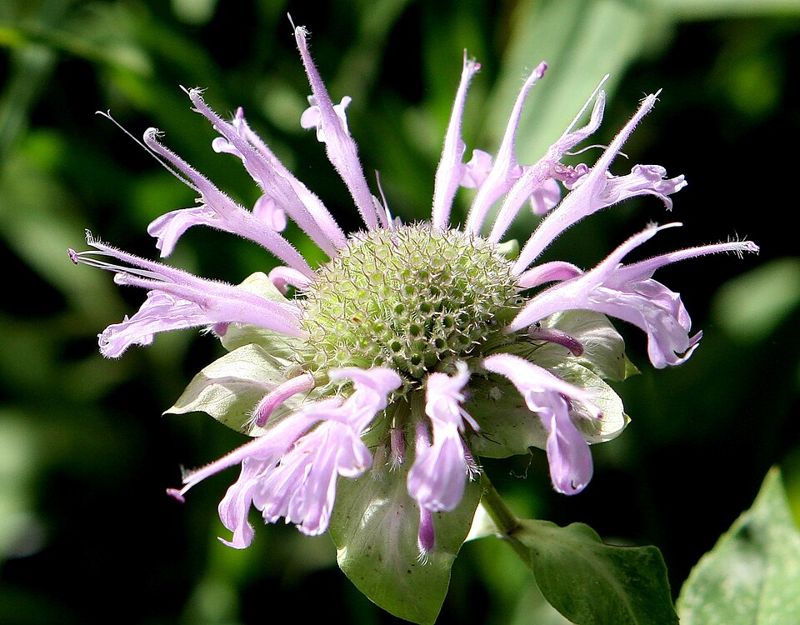
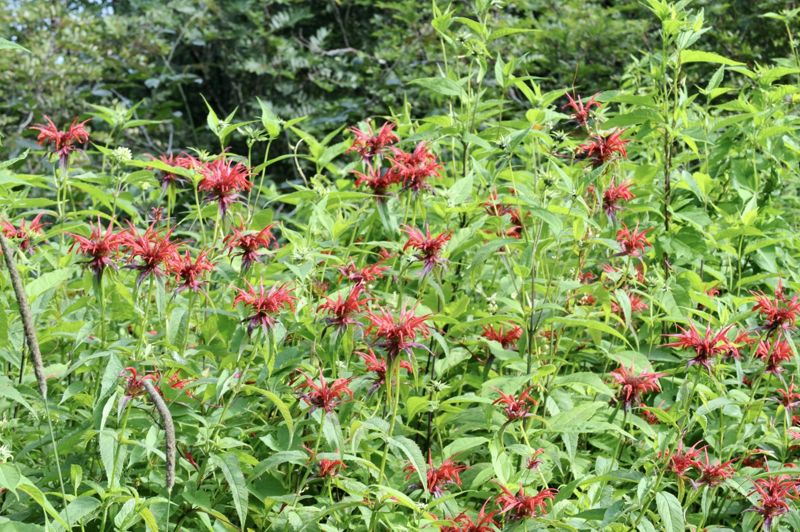
A showy native wildflower whose tubular scarlet, pink, or lavender blooms are irresistible to hummingbirds and bees. Bee balm is the wild source of thymol, the antiseptic compound used in mouthwash, and was used extensively by the Oswego Nation as a medicinal tea. Its spicy, oregano-like flavor makes it a versatile culinary and tea herb.
Mentioned in The Mycelial Grimoire
Posts on the Grimoire that reference Bee balm.
Growing Conditions
How to Grow Bee balm
Bee balm (Monarda didyma) is a perennial forb/herb that grows to about 3 feet tall and 1.5 feet wide.
To grow bee balm, give it full sun. It is hardy across USDA hardiness zones 4–9. Plant it in rich, moist, well-drained soil with good air circulation, at a slightly acidic pH of 6–7. It does best with even, moderate watering.
In practice, plant out bee balm April to May in moderate zones. Its red flowers appear from May through October, offering high value to pollinators. Once its roots take hold, it asks little of you.
Companion Planting & Soil
Bee balm grows well alongside tomato, echinacea, basil, and squash.
Good Companions
Planting Calendar
When to sow, transplant, and harvest by growing zone.
| Zone | Action | Months | Notes |
|---|---|---|---|
| Moderate (5-7) | Transplant | Apr — May | Plant in spring; excellent pollinator plant |
| Moderate (5-7) | Divide | Mar — Apr | Divide every 2-3 years; spreads aggressively |
Uses
In the Kitchen
In the kitchen, bee balm turns up in more than one form: fresh leaves brewed as Oswego tea; flowers and leaves added to salads for spicy flavor; used as a oregano substitute in cooking.
Medicinal & Folk Use
In herbal and folk tradition, it has been valued in several ways: contains thymol, a natural antiseptic for sore throats; traditional remedy for colds, fevers, and congestion; digestive carminative tea after meals. These are traditional uses, not medical advice.
Beyond the Garden
Bee balm earns its keep past the plate, too: top-tier hummingbird and pollinator plant; naturalized in rain gardens and wildflower meadows.
Safety Notes
Leaves and flowers are safe for tea and eating. Used traditionally as medicinal herb. Generally no safety concerns.
The Field Library
Books from the Futurespore shelf that go deeper on plants like this one.
- Medicinal Herbs: A Beginner's Guide the friendliest on-ramp to growing and using healing herbs at home
- The Forager's Harvest identification, harvest windows, and preparation from someone who eats what he teaches
- Gaia's Garden home-scale permaculture — guilds, food forests, and beds that tend themselves
These are Bookshop.org affiliate links — they support independent bookstores and earn Futurespore a small commission at no extra cost to you. Browse the full Futurespore Bookshelf.