Overview
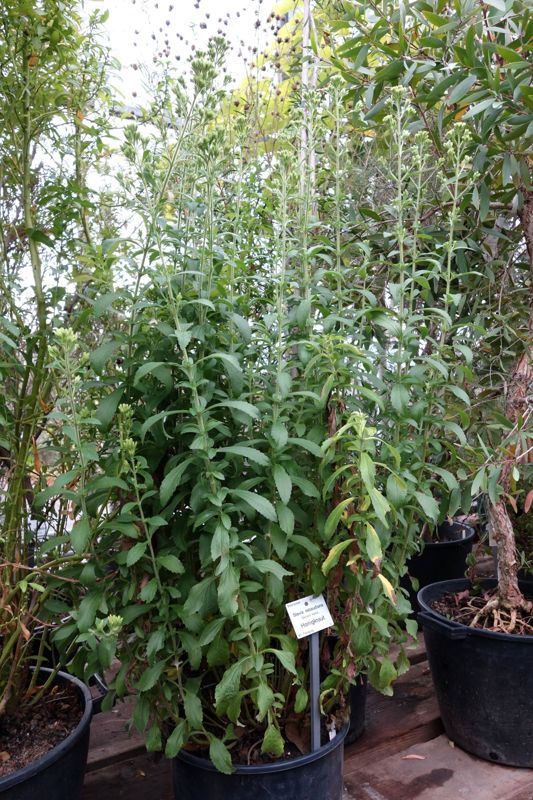
A South American herb whose leaves are 200-300 times sweeter than sugar with zero calories. The Guaraní people of Paraguay have used stevia to sweeten yerba maté tea for centuries. Today, steviol glycosides extracted from the leaves are a major commercial sweetener, but the fresh or dried leaves can be used directly in the kitchen.
How to Grow Stevia
Plant it in rich, well-drained, loamy soil with consistent moisture, at a slightly acidic pH of 6–7.
Exact sowing, transplanting, and harvest months shift by climate zone — the planting calendar below lays them out for cool through hot regions. The details above are a starting point — your ground will teach you the rest.
Companion Planting & Soil
Stevia grows well alongside basil, marigold, and thyme.
Good Companions
Planting Calendar
When to sow, transplant, and harvest by growing zone.
| Zone | Action | Months | Notes |
|---|---|---|---|
| Cold (1-2) | Start Indoors | Mar — Apr | Start indoors 8-10 weeks before last frost; grow as annual |
| Cold (1-2) | Transplant | Jun — Jun | Transplant after all frost danger; grow as annual |
| Cold (1-2) | Harvest | Jul — Sep | Harvest leaves before flowering for maximum sweetness |
| Cool (3-4) | Start Indoors | Feb — Mar | Start indoors; needs warm soil to germinate |
| Cool (3-4) | Transplant | May — Jun | Transplant after last frost; annual in zones 3-7 |
| Cool (3-4) | Harvest | Jun — Sep | Harvest before flowers open; dry leaves for sweetener |
| Moderate (5-7) | Transplant | Apr — May | Transplant in spring; perennial in zones 8+ |
| Moderate (5-7) | Harvest | May — Oct | Harvest leaves throughout season; sweetest before bloom |
| Warm (8-9) | Transplant | Mar — Apr | Transplant in spring; perennial with light mulch |
| Warm (8-9) | Harvest | Apr — Nov | Harvest as needed |
| Hot (10+) | Transplant | Feb — Mar | Plant in spring; evergreen perennial in zone 10+ |
| Hot (10+) | Harvest | Mar — Nov | Harvest throughout warm months |
Uses
In the Kitchen
In the kitchen, stevia turns up in more than one form: fresh or dried leaves to sweeten tea and beverages; powdered as a zero-calorie sugar substitute; added to smoothies and desserts for natural sweetness.
Medicinal & Folk Use
In herbal and folk tradition, it has been valued in several ways: zero-calorie sweetener for blood sugar management; some studies suggest mild blood pressure-lowering effects; antioxidant properties in leaf extracts. These are traditional uses, not medical advice.
Beyond the Garden
Stevia earns its keep past the plate, too: compact herb for container and kitchen garden growing.
The Field Library
Books from the Futurespore shelf that go deeper on plants like this one.
- Edible Wild Plants a photographic guide organized by season — good for checking an ID twice in the field
- The Resilient Gardener growing staple food through drought, flood, and hard seasons
These are Bookshop.org affiliate links — they support independent bookstores and earn Futurespore a small commission at no extra cost to you. Browse the full Futurespore Bookshelf.