Elderberry
Sambucus nigra
Overview
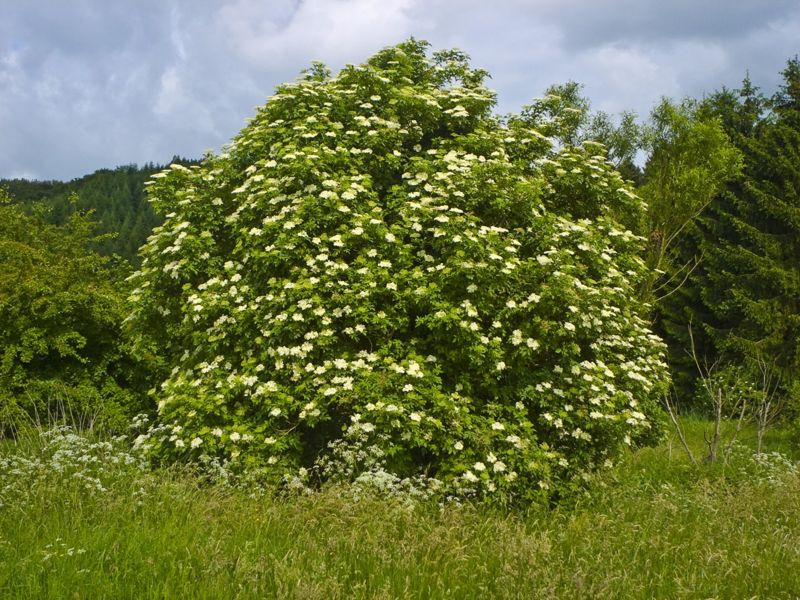
A native shrub whose dark purple berries and creamy flower clusters have been central to folk medicine and wild foods traditions for thousands of years across Europe and North America. Elderberry syrup has become one of the most popular natural immune-support remedies, with growing clinical evidence backing its antiviral properties. All parts must be cooked before consumption, as raw berries, bark, and leaves contain cyanogenic compounds.
Mentioned in The Mycelial Grimoire
Posts on the Grimoire that reference Elderberry.
Growing Conditions
How to Grow Elderberry
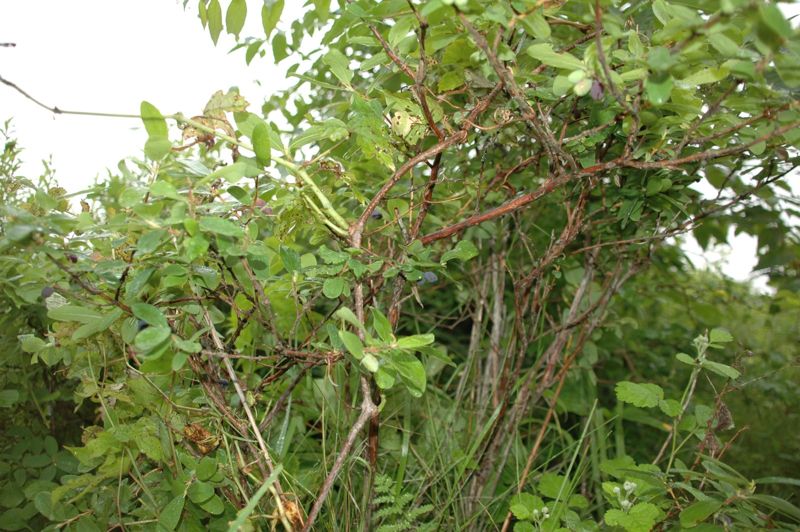
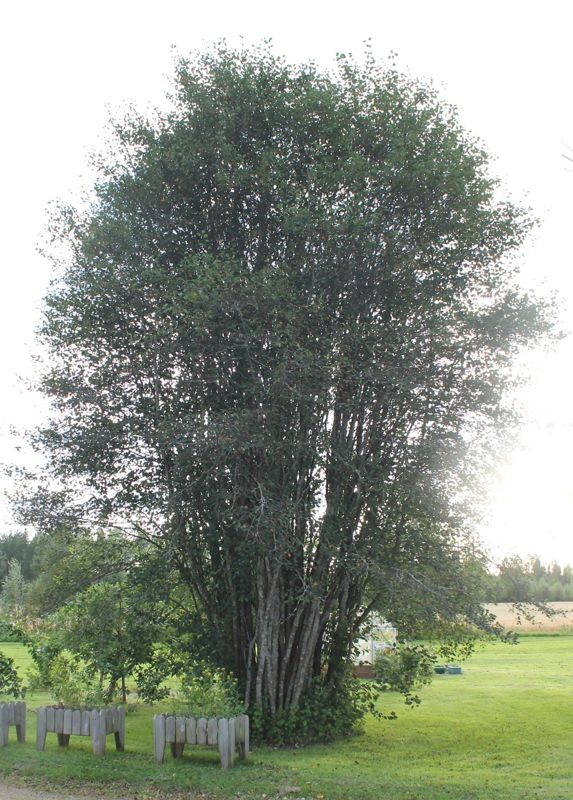
Elderberry (Sambucus nigra) is a shrub that grows to about 20 feet tall and 7 feet wide.
To grow elderberry, give it partial sun to partial shade. It is hardy across USDA hardiness zones 4–7. Plant it in moist, fertile, well-drained soil; tolerates wet conditions, at a slightly acidic pH of 5.5–6.5. It does best with even, moderate watering.
Exact sowing, transplanting, and harvest months shift by climate zone — the planting calendar below lays them out for cool through hot regions. Its flowers appear from May through June, offering high value to pollinators. It feeds two tables at once: yours and the pollinators’.
Companion Planting & Soil
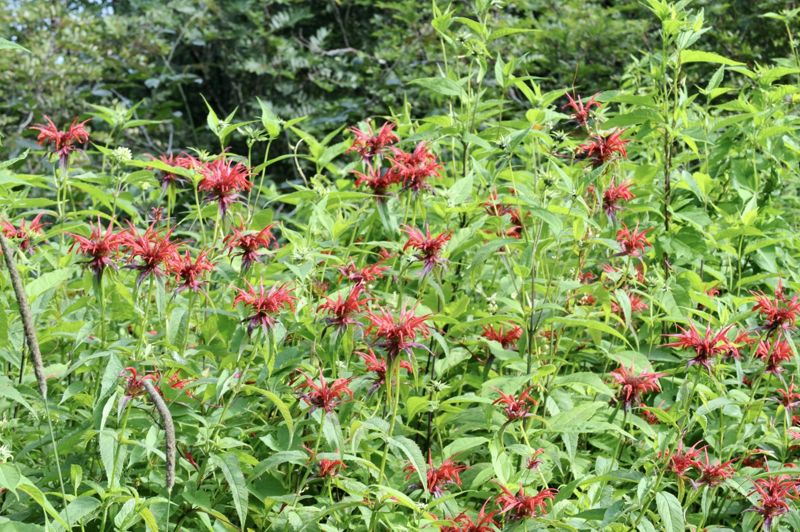
Elderberry grows well alongside comfrey, currant, gooseberry, and bee balm.
Good Companions
Planting Calendar
When to sow, transplant, and harvest by growing zone.
| Zone | Action | Months | Notes |
|---|---|---|---|
| Cold (1-2) | Transplant | May — May | Plant bare-root in spring; hardy to zone 3; plant 2+ for cross-pollination |
| Cold (1-2) | Harvest | Aug — Sep | Harvest entire flower clusters in June for elderflower; berries when dark purple-black |
| Cold (1-2) | Prune | Mar — Apr | Prune in late winter; remove canes over 3 years old |
| Cool (3-4) | Transplant | Mar — Apr | Plant in early spring; needs a pollination partner |
| Cool (3-4) | Harvest | Jul — Sep | Harvest berries when deeply colored; cook before eating — raw berries are toxic |
| Cool (3-4) | Prune | Feb — Mar | Prune while dormant; cut back hard if overgrown |
| Moderate (5-7) | Transplant | Feb — Mar | Plant in late winter; moist soil preferred |
| Moderate (5-7) | Harvest | Jul — Aug | Cut whole clusters; strip berries with a fork; MUST cook before consuming |
| Moderate (5-7) | Prune | Jan — Feb | Winter pruning; fruits on 2nd-year wood |
| Warm (8-9) | Transplant | Dec — Feb (wraps) | Plant during dormancy; tolerates heat with adequate water |
| Warm (8-9) | Harvest | Jun — Jul | Harvest when clusters droop and berries are dark |
| Hot (10+) | Transplant | Dec — Jan (wraps) | Plant while dormant; provide consistent moisture |
| Hot (10+) | Harvest | May — Jul | Harvest in early summer |
Uses
In the Kitchen
In the kitchen, elderberry turns up in more than one form: cooked berries made into syrup, jam, wine, and pie; flower clusters battered and fried as fritters; elderflower cordial and sparkling drinks.
Medicinal & Folk Use
In herbal and folk tradition, it has been valued in several ways: berry syrup widely used for cold and flu prevention and recovery; clinical studies support antiviral activity against influenza; flowers used as a traditional fever-reducing diaphoretic tea. These are traditional uses, not medical advice.
Beyond the Garden
Elderberry earns its keep past the plate, too: wildlife-supporting native shrub for hedgerows; hollow stems used as spiles for maple sugaring and craft projects.
Safety Notes
Cook the berries; do not eat them raw. Raw elderberries, and the leaves, stems and roots, contain cyanogenic glycosides and cause nausea, vomiting and diarrhoea. Cooking destroys them. Flowers are fine raw or cooked. Strip berries from the stems before cooking.
The Field Library
Books from the Futurespore shelf that go deeper on plants like this one.
- Edible Wild Plants a photographic guide organized by season — good for checking an ID twice in the field
- The Resilient Gardener growing staple food through drought, flood, and hard seasons
These are Bookshop.org affiliate links — they support independent bookstores and earn Futurespore a small commission at no extra cost to you. Browse the full Futurespore Bookshelf.