 Wilfredor / CC0 · Source
Honeydew
Cucumis melo
Overview
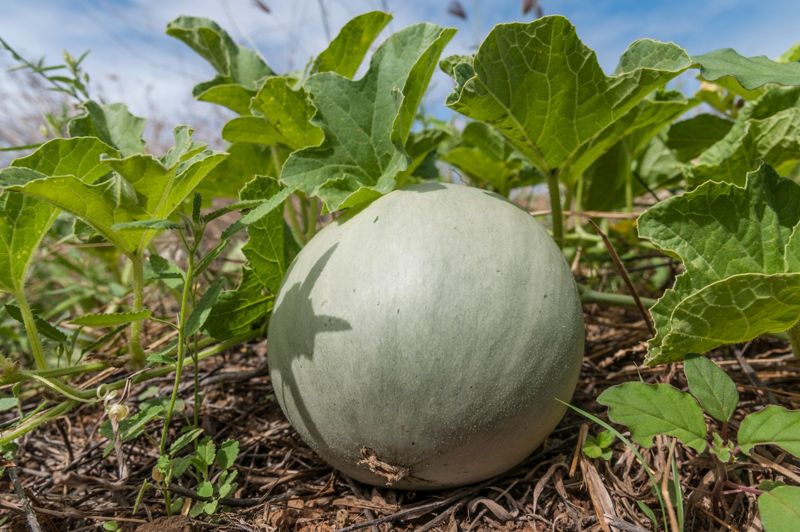
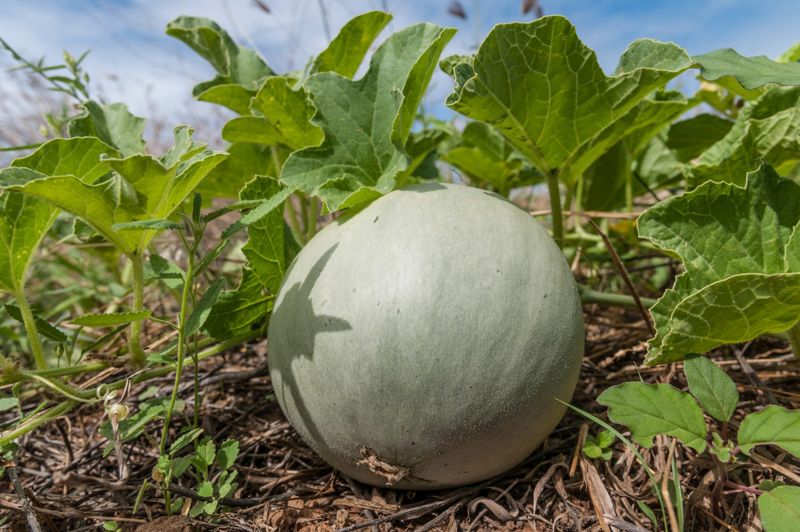
A smooth-skinned melon with pale green, honey-sweet flesh that is a staple of fruit salads and breakfast buffets worldwide. Honeydew originated in Persia and gradually spread through the Mediterranean before becoming popular globally. It requires a long, warm growing season and careful irrigation — too much water near harvest dilutes the sweetness.
How to Grow Honeydew
Plant it in sandy, well-drained loam rich in organic matter, at a slightly acidic pH of 6–6.8.
Exact sowing, transplanting, and harvest months shift by climate zone — the planting calendar below lays them out for cool through hot regions. The details above are a starting point — your ground will teach you the rest.
Companion Planting & Soil
Honeydew grows well alongside corn, sunflower, radish, and marigold — but keep it clear of potato and cucumber.
Good Companions
Avoid Planting Near
Planting Calendar
When to sow, transplant, and harvest by growing zone.
| Zone | Action | Months | Notes |
|---|---|---|---|
| Cold (1-2) | Start Indoors | Apr — May | Start indoors 4 weeks before last frost; needs long season |
| Cold (1-2) | Transplant | Jun — Jun | Transplant with black plastic mulch; choose short-season variety |
| Cold (1-2) | Harvest | Sep — Sep | Harvest when blossom end softens and skin turns creamy; does not slip from vine |
| Cool (3-4) | Start Indoors | Mar — Apr | Start indoors; needs 100+ warm days |
| Cool (3-4) | Transplant | May — Jun | Transplant after soil is 65°F |
| Cool (3-4) | Harvest | Aug — Sep | Ripe when blossom end is slightly soft; skin turns creamy |
| Moderate (5-7) | Direct Sow | May — Jun | Direct sow when soil reaches 65°F |
| Moderate (5-7) | Harvest | Aug — Sep | Harvest when skin turns creamy white to yellow |
| Warm (8-9) | Direct Sow | Mar — Apr | Direct sow in spring; needs consistent warmth |
| Warm (8-9) | Harvest | Jun — Aug | Harvest when skin changes color; slight give at blossom end |
| Hot (10+) | Direct Sow | Feb — Mar | Sow in spring; thrives in heat |
| Hot (10+) | Harvest | May — Jul | Harvest when rind turns creamy |
Uses
In the Kitchen
In the kitchen, honeydew turns up in more than one form: fresh sliced or cubed in fruit salads; blended into smoothies and agua fresca; wrapped with prosciutto as an appetizer.
Medicinal & Folk Use
In herbal and folk tradition, it has been valued in several ways: high water content supports hydration; good source of potassium and vitamin C; folate-rich for cellular health. These are traditional uses, not medical advice.
Beyond the Garden
Honeydew earns its keep past the plate, too: seeds can be saved and dried for next season.
Safety Notes
Wash the rind before cutting — melon rinds can carry bacteria that the knife drags into the flesh. Refrigerate cut melon promptly.
The Field Library
Books from the Futurespore shelf that go deeper on plants like this one.
- Edible Wild Plants a photographic guide organized by season — good for checking an ID twice in the field
- The Resilient Gardener growing staple food through drought, flood, and hard seasons
These are Bookshop.org affiliate links — they support independent bookstores and earn Futurespore a small commission at no extra cost to you. Browse the full Futurespore Bookshelf.