 Wikimedia Commons / Public domain · Source
Winter rye
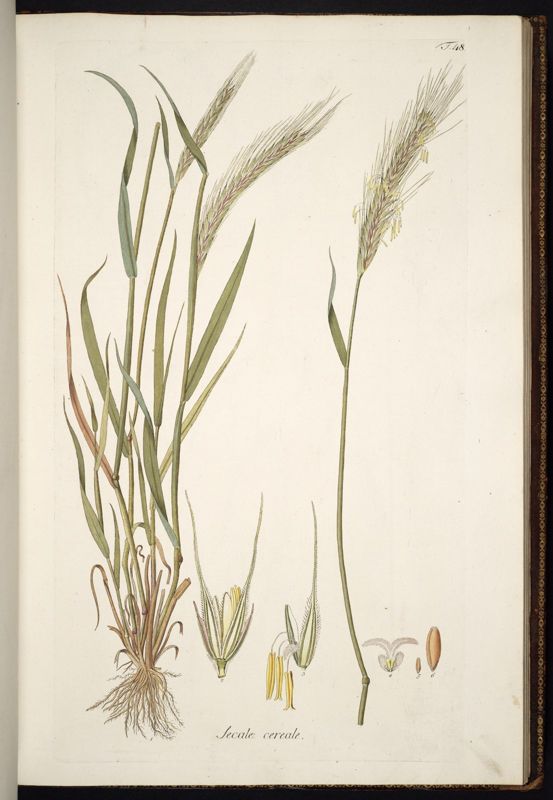
Secale cereale
Overview
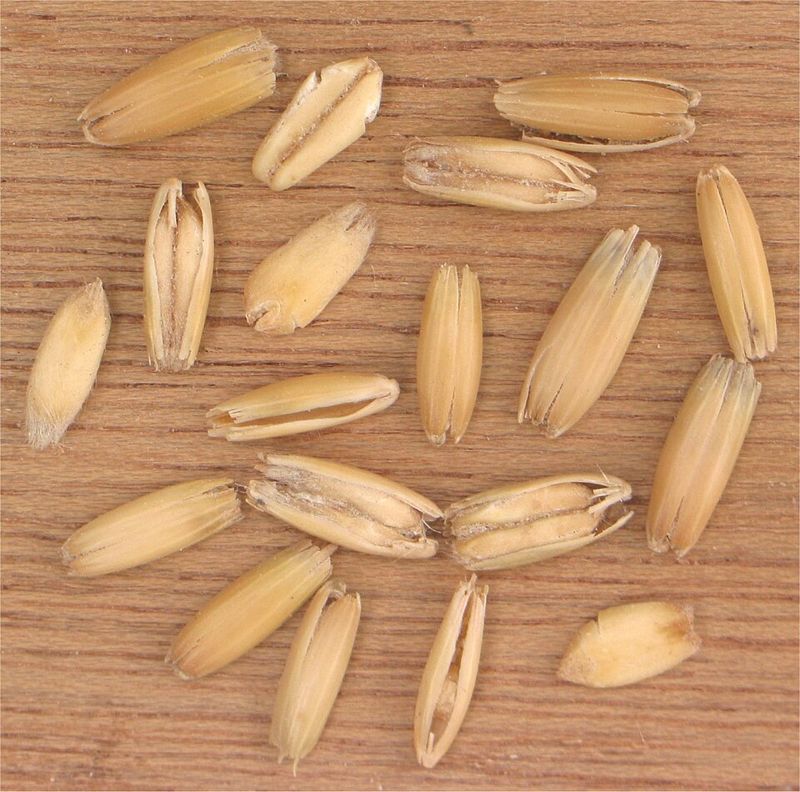
The hardiest of all cereal grains, winter rye thrives in conditions too cold and poor for wheat, making it an invaluable cover crop and grain for northern climates. Its aggressive root system is unmatched at suppressing weeds and breaking up compacted soil. Rye bread has a distinctive tangy, earthy flavor, and the grain has a lower glycemic index than wheat.
Growing Conditions
How to Grow Winter rye
Winter rye (Secale cereale) is an annual graminoid that grows to about 4 feet tall and 8 inches wide.
To grow winter rye, give it full sun. It is hardy across USDA hardiness zones 3a–9. Plant it in adaptable to poor, sandy, or acidic soils; extremely hardy, at a slightly acidic pH of 5–7. It does best with consistently moist to wet soil.
Exact sowing, transplanting, and harvest months shift by climate zone — the planting calendar below lays them out for cool through hot regions. Its yellow flowers appear from March through April, offering moderate value to pollinators. Water it in well, then largely leave it be — it forgives a dry week.
Companion Planting & Soil
Winter rye grows well alongside hairy vetch, crimson clover, and austrian winter pea.
Good Companions
Planting Calendar
When to sow, transplant, and harvest by growing zone.
| Zone | Action | Months | Notes |
|---|---|---|---|
| Cold (1-2) | Direct Sow | Aug — Sep | Sow in late summer/fall; most cold-hardy cover crop; grows in any soil |
| Cold (1-2) | Harvest | May — Jun | Mow or crimp at heading stage; wait 2-3 weeks to plant — allelopathic residues |
| Cool (3-4) | Direct Sow | Aug — Oct | Fall sow; germinates rapidly; suppresses weeds all winter |
| Cool (3-4) | Harvest | Apr — May | Terminate before seed set; creates excellent no-till mulch layer |
| Moderate (5-7) | Direct Sow | Sep — Nov | Fall sow; allelopathic — suppresses weed seed germination |
| Moderate (5-7) | Harvest | Mar — Apr | Crimp-roll or mow at heading; plant through mulch 2-3 weeks later |
| Warm (8-9) | Direct Sow | Oct — Dec | Fall/winter sow; grows through winter |
| Warm (8-9) | Harvest | Feb — Mar | Terminate in late winter before planting season |
| Hot (10+) | Direct Sow | Oct — Dec | Winter cover; mow before it heads out to prevent self-sowing |
| Hot (10+) | Harvest | Feb — Mar | Terminate in February/March |
Uses
In the Kitchen
In the kitchen, winter rye turns up in more than one form: ground into flour for rye bread and pumpernickel; malted for whiskey and beer production; young shoots juiced as a health tonic.
Medicinal & Folk Use
In herbal and folk tradition, it has been valued in several ways: high in fiber, manganese, and phosphorus; lower glycemic index than wheat — better for blood sugar management; lignans support hormonal balance. These are traditional uses, not medical advice.
Beyond the Garden
Winter rye earns its keep past the plate, too: premier winter cover crop for weed suppression; allelopathic root exudates suppress weed germination; erosion control through winter months.
Safety Notes
Contains gluten. Susceptible to ergot fungus — never eat discolored grain.
The Field Library
Books from the Futurespore shelf that go deeper on plants like this one.
- The Modern Herbal Dispensatory a working reference for tinctures, salves, and doses once you get serious
- The Forager's Harvest identification, harvest windows, and preparation from someone who eats what he teaches
- Gaia's Garden home-scale permaculture — guilds, food forests, and beds that tend themselves
These are Bookshop.org affiliate links — they support independent bookstores and earn Futurespore a small commission at no extra cost to you. Browse the full Futurespore Bookshelf.