 George Chernilevsky / Public domain · Source
Crocus
Crocus spp.
Overview
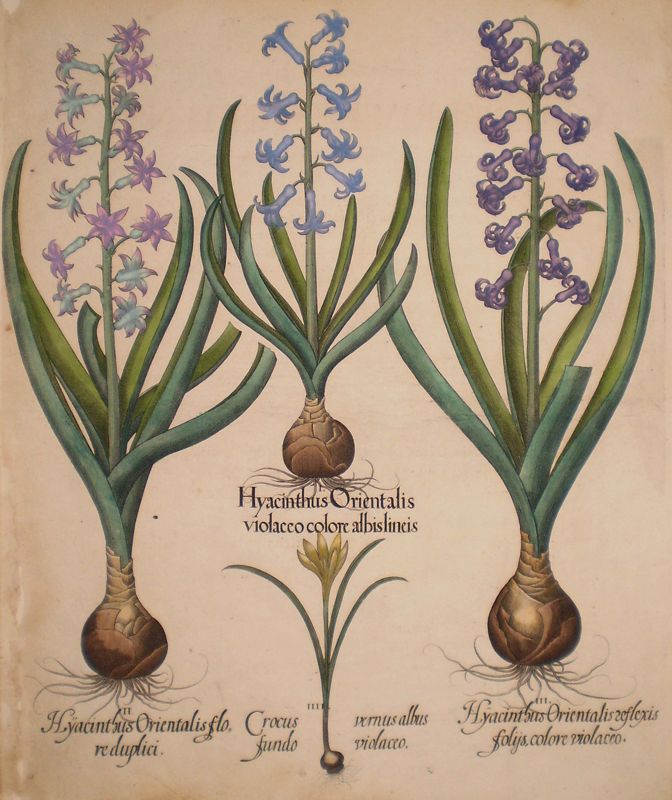
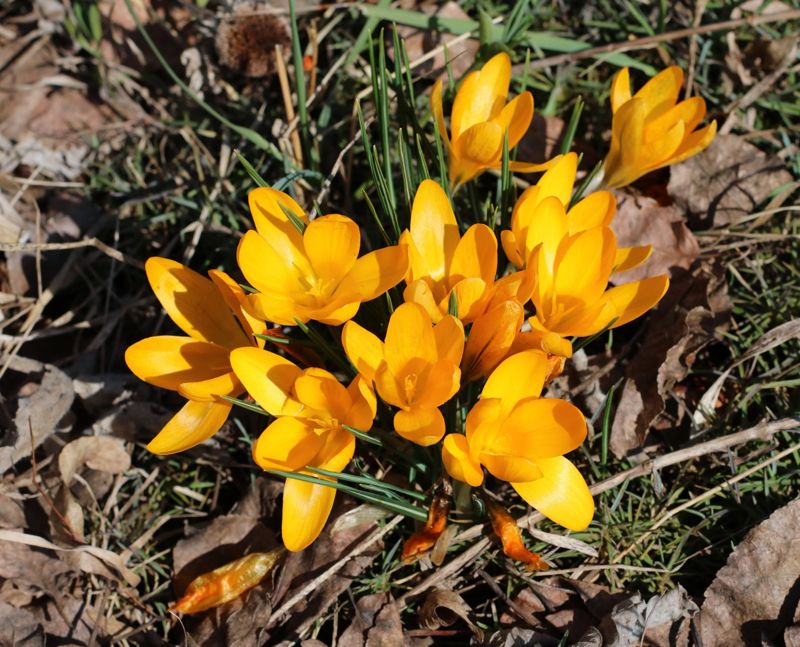
One of the earliest signs of spring, crocuses push their jewel-toned flowers through the last of the snow, bringing hope and color to winter-weary gardens. These small but mighty bulbs naturalize and multiply over the years, creating ever-expanding drifts of purple, yellow, white, and striped blooms. They are essential early-season food for emerging bees and other pollinators.
Growing Conditions
How to Grow Crocus
Crocus (Crocus spp.) is a forb/herb that grows to about 4 inches tall and 4 inches wide.
To grow crocus, give it full sun. It is hardy across USDA hardiness zones 4–8. Plant it in well-drained, average soil; tolerates rocky and sandy conditions, at a slightly acidic pH of 6–7. It does best with even, moderate watering.
Exact sowing, transplanting, and harvest months shift by climate zone — the planting calendar below lays them out for cool through hot regions. Its flowers appear from May through June, offering high value to pollinators. Match it to the right spot, and the rest is mostly patience.
Companion Planting & Soil
Crocus grows well alongside daffodil, grape hyacinth, and snowdrop.
Good Companions
Planting Calendar
When to sow, transplant, and harvest by growing zone.
| Zone | Action | Months | Notes |
|---|---|---|---|
| Cold (1-2) | Transplant | Sep — Oct | Plant corms in fall 3-4" deep; among the earliest spring flowers |
| Cold (1-2) | Bloom | Mar — Apr | Very early spring; may push through snow; critical early bee food |
| Cool (3-4) | Transplant | Sep — Oct | Plant in fall; naturalizes in lawns; plant 50+ for best effect |
| Cool (3-4) | Bloom | Feb — Mar | Late winter/early spring; first major pollen source for emerging bees |
| Moderate (5-7) | Transplant | Oct — Nov | Plant in fall; snow crocus (C. chrysanthus) blooms even earlier |
| Moderate (5-7) | Bloom | Feb — Mar | Late winter bloom; C. sativus (saffron) blooms in fall instead |
| Warm (8-9) | Transplant | Nov — Dec | Pre-chill corms 6-8 weeks; grows as annual in zone 9+ |
| Warm (8-9) | Bloom | Jan — Feb | Late winter bloom; may not rebloom reliably in warm zones |
Uses
Beyond the Garden
Crocus earns its keep past the plate, too: first spring flowers for emerging pollinators; naturalizing in lawns and under deciduous trees; cheerful container plantings for late winter.
Safety Notes
Not edible. Spring-flowering garden crocuses are not a food plant, and the only culinary crocus is saffron (Crocus sativus), which has its own entry. More important: autumn crocus (Colchicum autumnale) is not a true crocus at all, looks similar, and is deadly — it contains colchicine, for which there is no antidote. Never harvest anything from a crocus you did not plant.
The Field Library
Books from the Futurespore shelf that go deeper on plants like this one.
- Gaia's Garden home-scale permaculture — guilds, food forests, and beds that tend themselves
- The Resilient Gardener growing staple food through drought, flood, and hard seasons
These are Bookshop.org affiliate links — they support independent bookstores and earn Futurespore a small commission at no extra cost to you. Browse the full Futurespore Bookshelf.