Echinacea
Echinacea purpurea
Overview
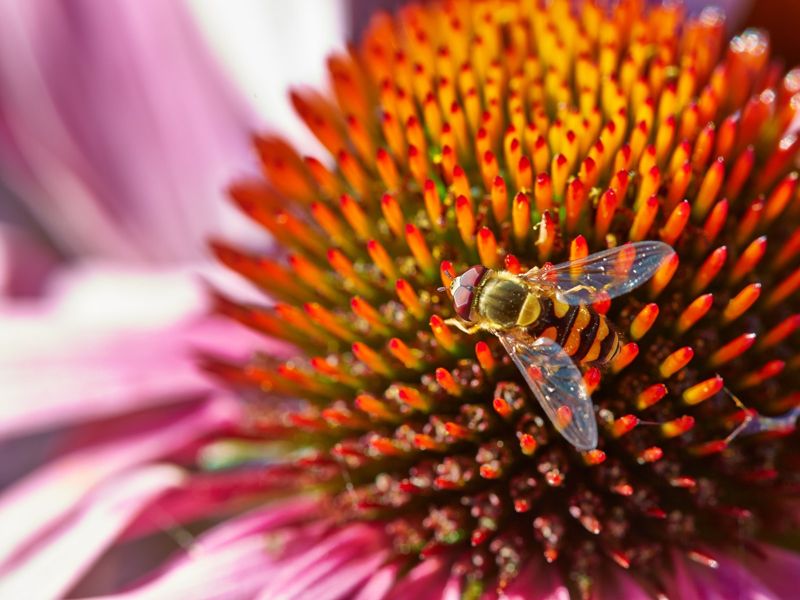
A beloved native prairie wildflower that has become one of the most popular herbal supplements in the world for immune support. Echinacea's distinctive cone-shaped flower heads with drooping petals bloom for weeks and attract a parade of butterflies and bees. Native Americans used echinacea more widely than any other plant medicine, applying it to everything from snakebites to toothaches.
Mentioned in The Mycelial Grimoire
Posts on the Grimoire that reference Echinacea.
How to Grow Echinacea
Plant it in well-drained, average soil; drought-tolerant once established, at a slightly acidic pH of 6–7.
In practice, plant out echinacea April to May in moderate zones. Match it to the right spot, and the rest is mostly patience.
Companion Planting & Soil
Echinacea grows well alongside rudbeckia, blazing star, little bluestem, and goldenrod.
Good Companions
Planting Calendar
When to sow, transplant, and harvest by growing zone.
| Zone | Action | Months | Notes |
|---|---|---|---|
| Moderate (5-7) | Transplant | Apr — May | Plant in spring; native prairie plant, drought tolerant once established |
| Moderate (5-7) | Divide | Mar — Apr | Divide clumps every 3-4 years in early spring |
Uses
In the Kitchen
In the kitchen, echinacea turns up in more than one form: root and flower petal tea; dried leaves used in herbal tea blends.
Medicinal & Folk Use
In herbal and folk tradition, it has been valued in several ways: widely used immune stimulant for cold and flu prevention; root tincture is the most potent preparation; anti-inflammatory and antioxidant properties. These are traditional uses, not medical advice.
Beyond the Garden
Echinacea earns its keep past the plate, too: critical native pollinator plant; seed heads provide winter food for goldfinches; long-blooming perennial for prairie and meadow gardens.
Safety Notes
A daisy-family plant — people with ragweed allergies can react to it. Because echinacea stimulates the immune system, check with a doctor before regular use if you have an autoimmune condition or take immunosuppressant medication.
The Field Library
Books from the Futurespore shelf that go deeper on plants like this one.
- The Forager's Harvest identification, harvest windows, and preparation from someone who eats what he teaches
- Gaia's Garden home-scale permaculture — guilds, food forests, and beds that tend themselves
These are Bookshop.org affiliate links — they support independent bookstores and earn Futurespore a small commission at no extra cost to you. Browse the full Futurespore Bookshelf.