
"This tea is nothing more than hot leaf juice." — Uncle Iroh, Avatar: The Last Airbender
The Oldest Technology in Your Kitchen
We've all experienced the very human activity of reaching for a cozy mug, heating up some clean water, and steeping a bag or steel ball of various teas, at some point in this whirlwind of a life we're enduring. There's nothing quite like a cup of hot tea on a brisk fall or chilly winter day, when you've got the cold or flu, or simply because you need a good wake-me-up alternative to your daily coffee.
Tea is one of the oldest means of intaking steeped leaf matter, made most popular by Camellia sinensis, the plant responsible for black teas and green teas. However, humanity has been collectively soaking dried stems, leaves, roots, ground seeds, and flowers of a wide variety of plants for thousands of years, seeking ways of nourishing and healing the body, as well as inducing altered states of consciousness.
In modern herbal traditions, you will often hear herbal tea referred to as a tisane, which originates from the Ancient Greek ptisánē, which means "peeled barley", referring to a medicinal barley water. The herbal tea, or tisane, is a technology so simple that we have largely forgotten to see it as technology. The selective extraction of bioactive compounds from plant tissue using thermal energy and a polar solvent is one of our earliest forms of chemistry and pharmacology.
When we're sick, we may reach for chamomile, chrysanthemum, and ginger tea bags; when we're having trouble sleeping, that means we may need to ally ourselves with pungent valerian root tisane for the night.
In the solarpunk discussions here on Futurespore.com, I talk often about technology and its relationship to nature by using and building tools that are human-scale and ecologically integrated. A cup of herbal tea brewed from plants you grew, foraged, or sourced from a neighbor's garden is perhaps the most accessible technology imaginable, with no direct need to rely on the supply chain and nor limitations of intellectual property.
This guide is an invitation to reclaim the ritual of herbal tea to help you develop your own seasonal apothecary. A number of these plants may be available by foraging in your local area, but all should be available either at your local bulk herb apothecary or online from distributors like Mountain Rose Herbs.
Tisanes vs. True Tea: An Important Distinction
Before we go further, let's go a little further into the history of tea and clear up some vocabulary so that you're well-equipped to start building your home apothecary.
Tea, without the prefix of "herbal" refers only to beverages made from Camellia sinensis, which is an evergreen shrub that gives us black tea, green tea, white tea, oolong, and pu-erh.
Herbs like chamomile, peppermint, rooibos, hibiscus, and nettle, steeped in hot water, are technically considered a tisane.
This distinction is important to herbalism practices because Camellia sinensis contains caffeine and a unique amino acid called L-theanine, which together produce a very specific neurochemical profile.
Herbal tisanes are nearly all caffeine-free. The exceptions are plants such as yerba mate, guayusa, and the yaupon holly and dahoon holly (North America's only native caffeinated plants), which all contain varying levels of caffeine. To clarify, when we say "herbal tea" throughout this guide, we mean tisanes, which are infusions of herbs, flowers, roots, bark, and seeds that are not derived from the tea plant.
The history of tisanes is older than recorded civilization. Archaeological evidence suggests that humans have been steeping wild plants in hot water for at least 5,000 years, and likely far longer. The Egyptian Ebers Papyrus (circa 1550 BCE) documents herbal infusions as a medicine. Traditional Chinese Medicine has catalogued thousands of medicinal plant preparations over millennia. Indigenous cultures on every continent developed sophisticated tisane traditions attuned to their local flora. The herbal tea is one of the oldest and most widespread human technologies we have, and one that we should all take a little time to understand better for greater health and wellbeing.
Spring Teas: Awakening and Cleansing
Spring is the season of emergence. Every seasonal cycle, we come awake at the same time as our plant kingdom neighbors, resuming the rhythm of our lives spent in the outdoors under a warming atmosphere. After months of winter's contraction, the body, much like the land itself, is ready to stir, detoxify, and rebuild. Spring herbs tend to be mineral-rich, lymph-moving, and gently purifying.
Stinging Nettle (Urtica dioica)
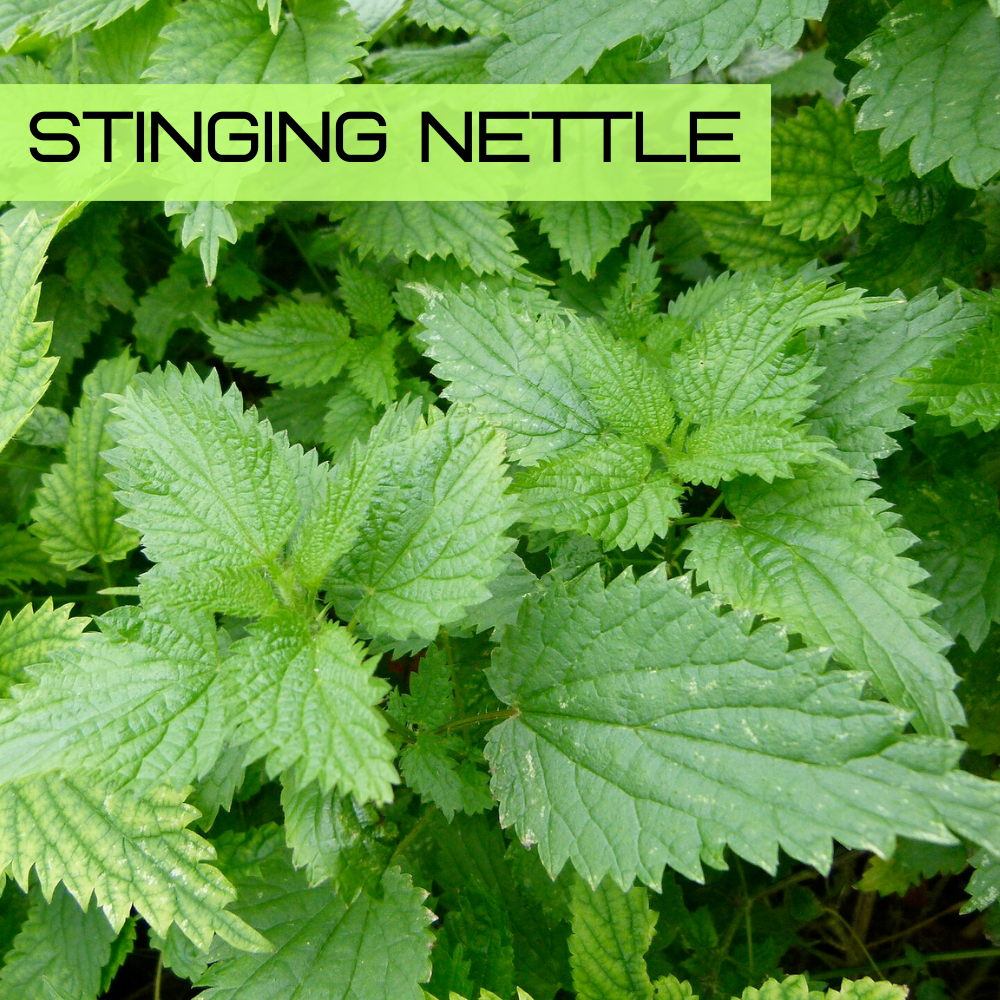
Nettle is highly regarded as a spring tonic, and very popular among sniffling herbalists seeking a remedy for their seasonal allergies. This vigorous perennial is often dismissed as a weed to avoid when out on a nature walk due to its numbing nervine qualities, and yet it is one of the most nutritionally dense plants on the planet. A strong nettle infusion provides bioavailable iron, calcium, magnesium, potassium, silica, and vitamins A, C, and K. It is, effectively, a drinkable multivitamin. Time to throw out your store-bought greens powder, because nature's growing it for free.
Herbalists prize nettle as a blood builder and kidney tonic, as it supports the body's natural detoxification pathways, gently encouraging elimination through the urinary system. For those who suffer from seasonal allergies, nettle's natural antihistamine properties make it an invaluable spring ally. Start drinking it several weeks before allergy season begins for best results.
Harvest note: If you're foraging nettle fresh, it is highly advised that you wear thick gloves. The plant's fine, hair-like trichomes contain compounds, including formic acid and histamine, that cause an itchy, stinging numbness on contact, a defense mechanism that has earned it the "stinging" in its name. These compounds are neutralized by heat or drying, so once your nettle has been boiled or thoroughly dried and dehydrated, it is perfectly gentle to handle and drink.
Brew note: Nettle benefits from a long steep. Pour boiling water over dried nettle leaf, cover, and let it infuse for a minimum of 20 minutes, or up to 4 hours optionally for a full mineral extraction. The resulting brew will be deep green and earthy.
Dandelion Leaf (Taraxacum officinale)
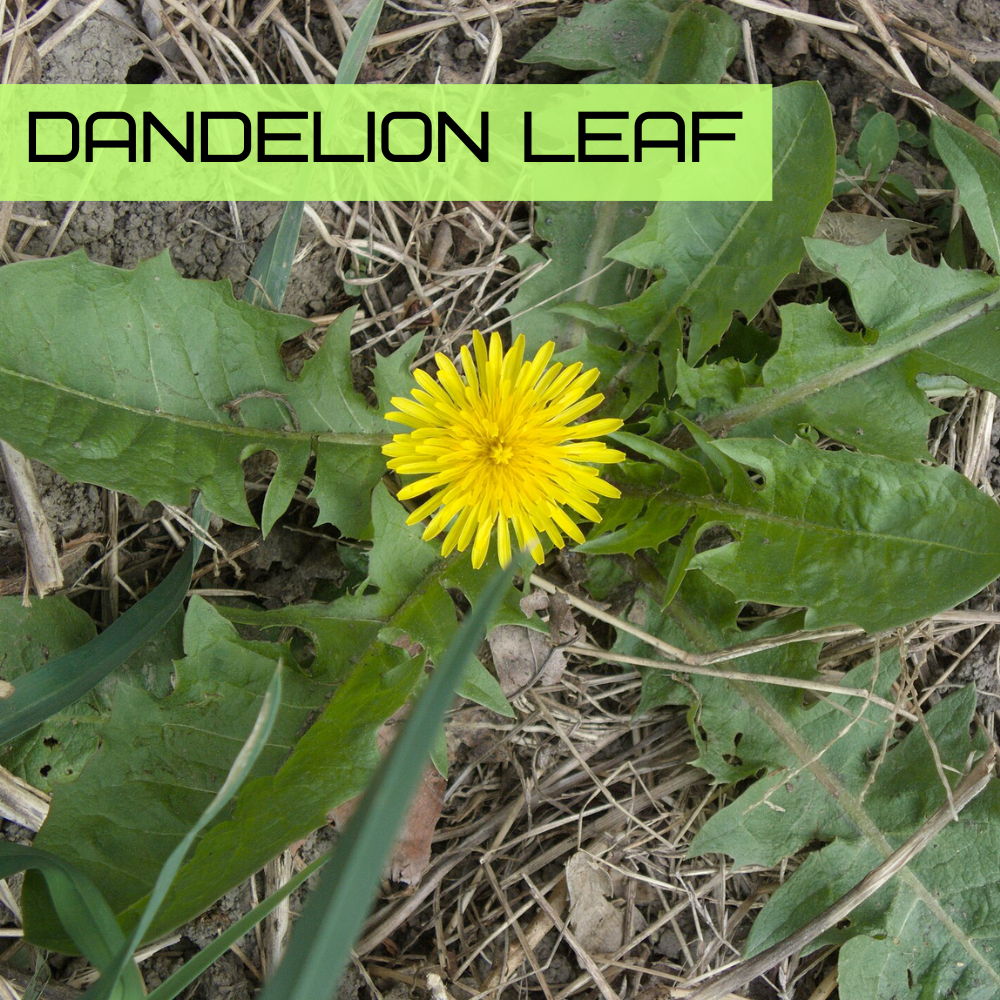
In the spring, dandelion grows everywhere, and is often berated and assaulted by lawn-lovers as a weed. Little do they realize, dandelion is one of the most accessible medicines growing beneath our feet. The leaves are a potent but gentle diuretic, earning it the folk name "piss-a-bed," supporting the body's natural process of releasing excess water while helping maintain mineral balance. Unlike pharmaceutical diuretics, which can contribute to potassium loss, dandelion leaf is naturally rich in potassium, helping replenish what it encourages the body to eliminate.
Across the Mediterranean, dandelion has long been valued not as a nuisance among those who just love non-native grass for whatever reason, but as food. In many Greek households, especially among those who grew up connected to traditional village cooking, spring greens — known collectively as χόρτα (xorta) — are a familiar part of the table. Growing up Greek often means growing up eating wild greens gathered in the spring, and dandelion is one of the many bitter greens that found their way into meals my mother made for me growing up. They are commonly boiled to rid of any bitterness, dressed simply with olive oil and lemon, and eaten as a seasonal offering from the land.
Food and medicine were never truly separate. The bitterness of spring greens was welcomed because it signaled their ability to awaken the body after winter's heavier foods, and because they're among the first plants to emerge in the spring. Dandelion's bitter compounds stimulate digestive secretions, supporting the liver and gallbladder during the seasonal transition.
The bitterness of dandelion reminds the body to wake up, move, and prepare for a new season of growth. It brings us a message of resilience, as it thrives in disturbed places, returns year after year, and offers nourishment wherever it is allowed to grow.
Cleavers (Galium aparine)
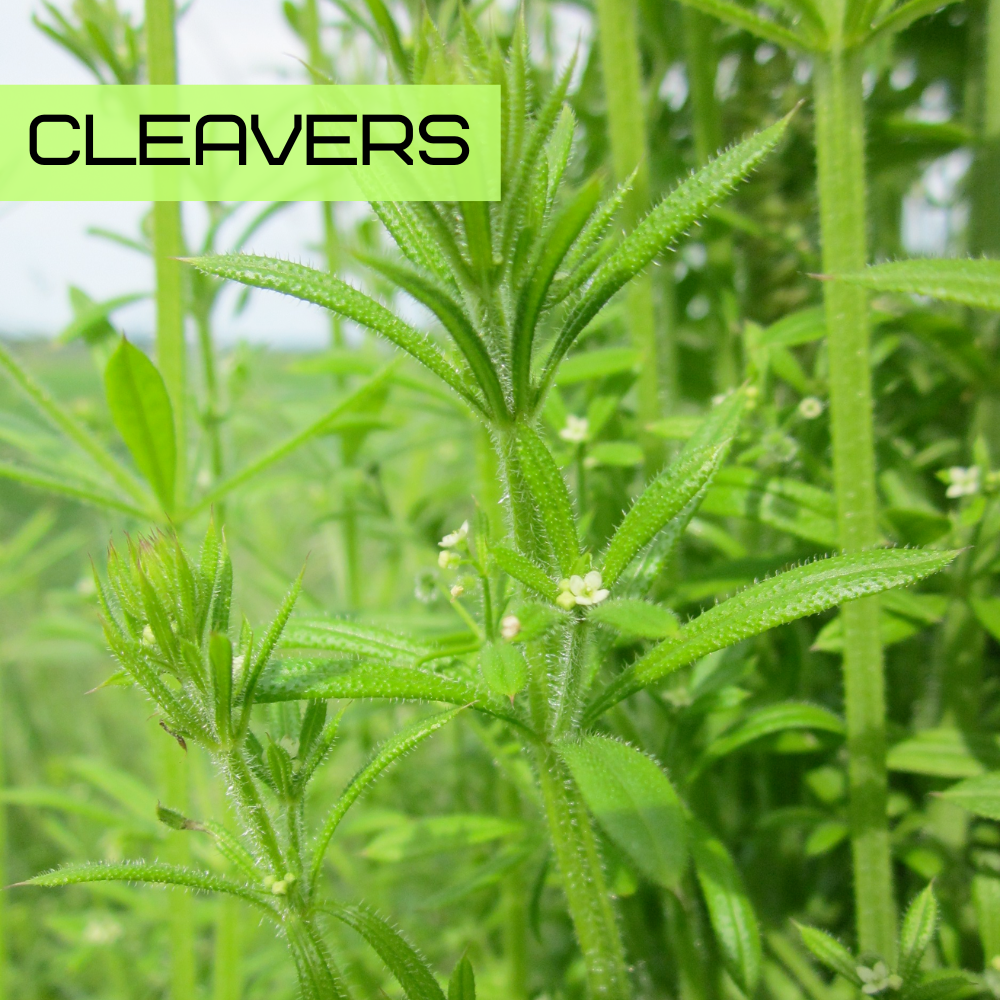
This scrambling, sticky-stemmed plant is one of the first herbs to appear in early spring, often while the ground is still cold; it grows in hedgerows, along fence lines, and at the edges of woods, climbing over whatever is nearby with tiny hooked hairs that catch on clothing, fur, and skin. Some call it the velcro plant, and it's also known as goosegrass, because geese will eat at it happily. It's a cousin of coffee, and the small burr-like seeds were once roasted as a substitute.
Cleavers is a lymphatic herb. It supports the movement and drainage of the lymphatic system, the network of vessels and nodes that carries waste and immune cells through the body. Unlike blood, lymph has no heart to pump it, so it only moves when we move. After a sedentary winter, lymphatic flow can become sluggish, and cleavers gently encourages it back into motion. Herbalists have long reached for it when the glands feel swollen or tender, when the skin is congested, or when the body simply feels stagnant coming out of the cold months. It's also a mild diuretic, so it pairs well with dandelion leaf in a spring tonic.
Cleavers is best used fresh or freshly dried. The active constituents fade quickly, and a jar that has sat in the cupboard since last year is mostly hay. Gather the plant in early spring before it flowers, while the stems are still tender, and use it within a day or two. Steep the chopped aerial parts in cool or room-temperature water overnight for a traditional cold infusion that tastes clean and faintly green. Cold water pulls out the parts of the plant that heat would spoil, which is why cleavers is rarely made into a hot tea. Strain and drink over the course of the day. If you want to hold onto the harvest, the fresh juice can be frozen in ice cube trays and added to water later.
Summer Teas: Cooling and Calming
Summer calls for herbs that cool the body, calm the nervous system, and support hydration.
Hibiscus (Hibiscus sabdariffa)
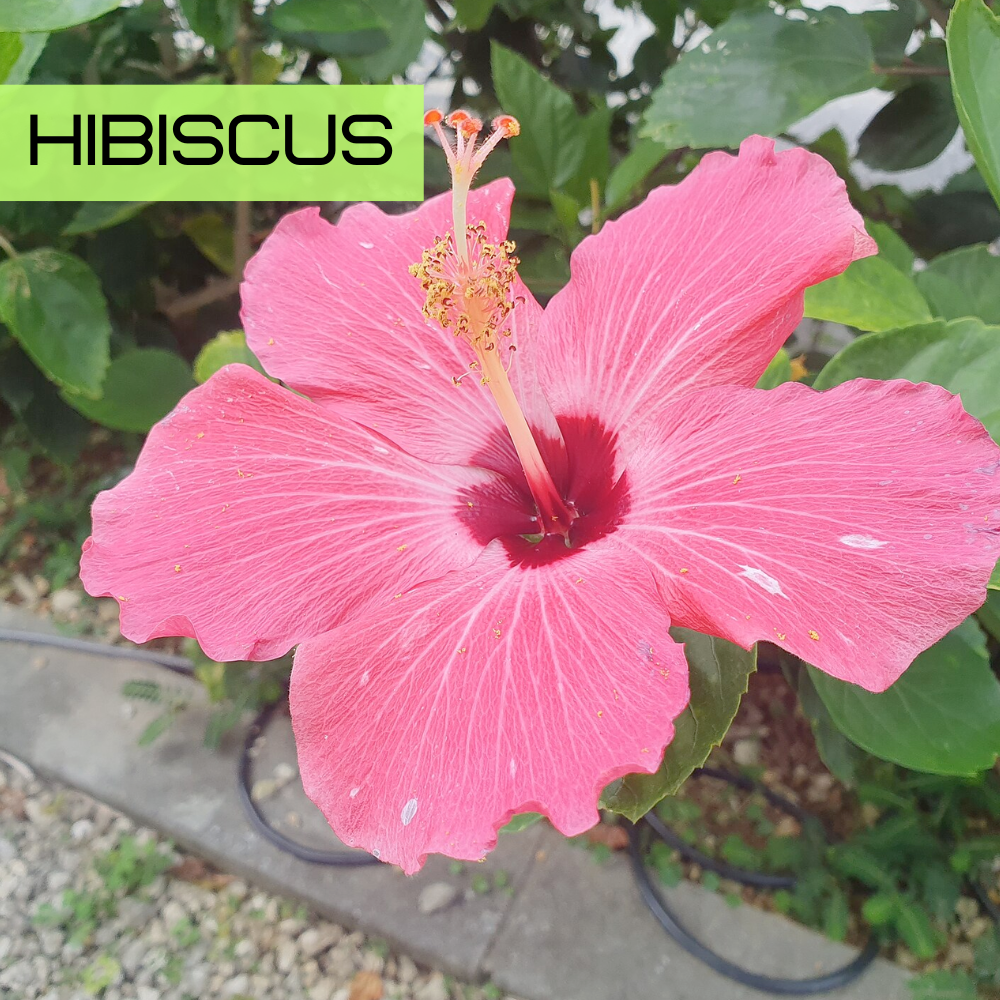
Few herbal teas are as visually stunning as hibiscus. The deep crimson calyces of Hibiscus sabdariffa brew into a tart, jewel-toned drink that is almost startling in its intensity, providing bright, sour, and refreshing notes in a way that feels especially suited to hot weather.
Much of hibiscus's color comes from anthocyanins, the same family of antioxidant pigments found in blueberries, dark grapes, cherries, and red wine. These compounds are part of what has drawn modern scientific interest to hibiscus, particularly for cardiovascular health. Multiple clinical studies have found that regularly drinking hibiscus tea may produce modest reductions in blood pressure in people with mildly elevated blood pressure. Hibiscus also contains other polyphenols and organic acids, along with some vitamin C, contributing to its sharp flavor and antioxidant profile.
But long before hibiscus was studied in clinical trials, people across warm climates had already learned how useful it could be.
In Mexico and throughout parts of Latin America, it is commonly prepared as agua de jamaica, where the flowers are steeped deeply, chilled, and served as a tart, ruby-red drink. In Egypt and Sudan, hibiscus is known as karkade, where it may be served either hot or cold and is woven into both everyday hospitality and celebration. Across West Africa, particularly in Senegal and neighboring regions, variations of the drink are known as bissap, often prepared with sugar, mint, ginger, or other aromatics.
The names and recipes change as hibiscus moves from place to place, but no matter where the climate is hot, humanity turns these brilliant red flowers into something cooling and refreshing.
Hibiscus's summer emergence in North America is perfect timing for those seeking a tasty cold drink for the heat. Its sharp acidity wakes up the palate while its deep red color makes even a simple glass of tea feel abundant. Served over ice with citrus, mint, ginger, or simply on its own, hibiscus turns hydration into a small seasonal ritual, one that countless cultures have arrived at in their own way.
Lemon Balm (Melissa officinalis)
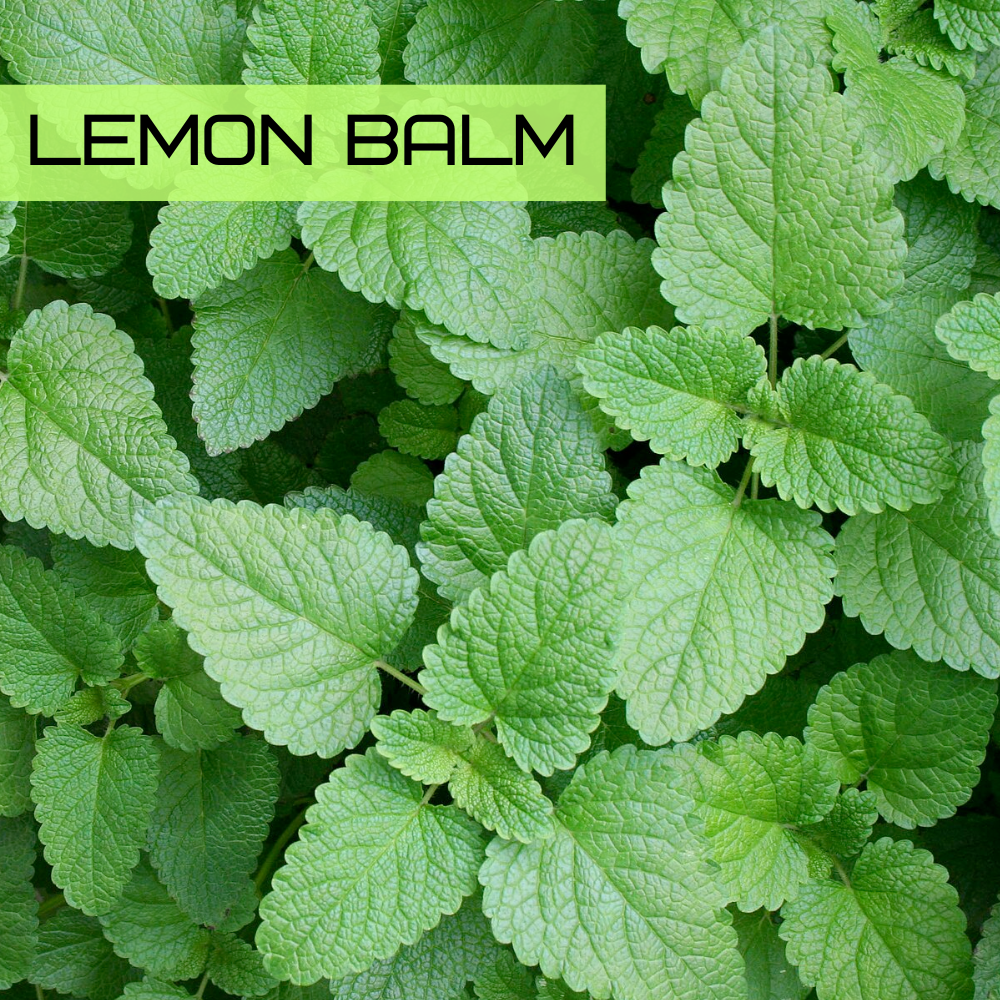
The name Melissa comes from the Greek word for honeybee, and it suits this fragrant member of the mint family perfectly. When lemon balm (Melissa officinalis) is in bloom, bees gather around it eagerly, drawn to its small flowers and citrus-scented leaves. Its long association with bees is even reflected in older Mediterranean herbal traditions, where lemon balm was planted near hives and valued as a plant of sweetness, calm, and welcome.
For humans, lemon balm is best known as a gentle nervine, which is an herb traditionally used to soothe a restless nervous system, quiet mental tension, and soften the edges of stress. Modern research has begun to support some of these traditional uses, with studies suggesting that lemon balm may help reduce mild anxiety symptoms, promote a sense of calm, and support sleep without the heavy sedation associated with stronger sleep aids.
Lemon balm also has a long history of use for digestive discomfort, especially when stress shows up in the gut as tightness, gas, cramping, or unsettled digestion. Its aromatic compounds help explain why it has been used both as a calming herb and as a digestive one: the nervous system and digestive system are deeply intertwined, and lemon balm seems to sit beautifully at that crossroads.
The plant has also been studied for antiviral activity, particularly against certain herpes viruses in topical preparations. This does not make lemon balm a cure-all antiviral, but it does offer an interesting modern echo of its long medicinal history.
A cup of lemon balm tea in the late afternoon is one of summer's quieter pleasures. Its flavor is bright and lemony, softly sweet, and gently aromatic, with none of the sharp acidity of actual citrus. There is something about it that feels cooling without being cold, calming without being dull.
For the best flavor, harvest the leaves before flowering or just as the first flowers begin to open, when their aromatic oils are still especially vivid. Use them fresh when you can; lemon balm loses some of its luminous citrus character as it dries. Steeped slowly and drunk while the day begins to soften, it is a small reminder that medicine does not always have to feel medicinal.
Peppermint (Mentha x piperita)
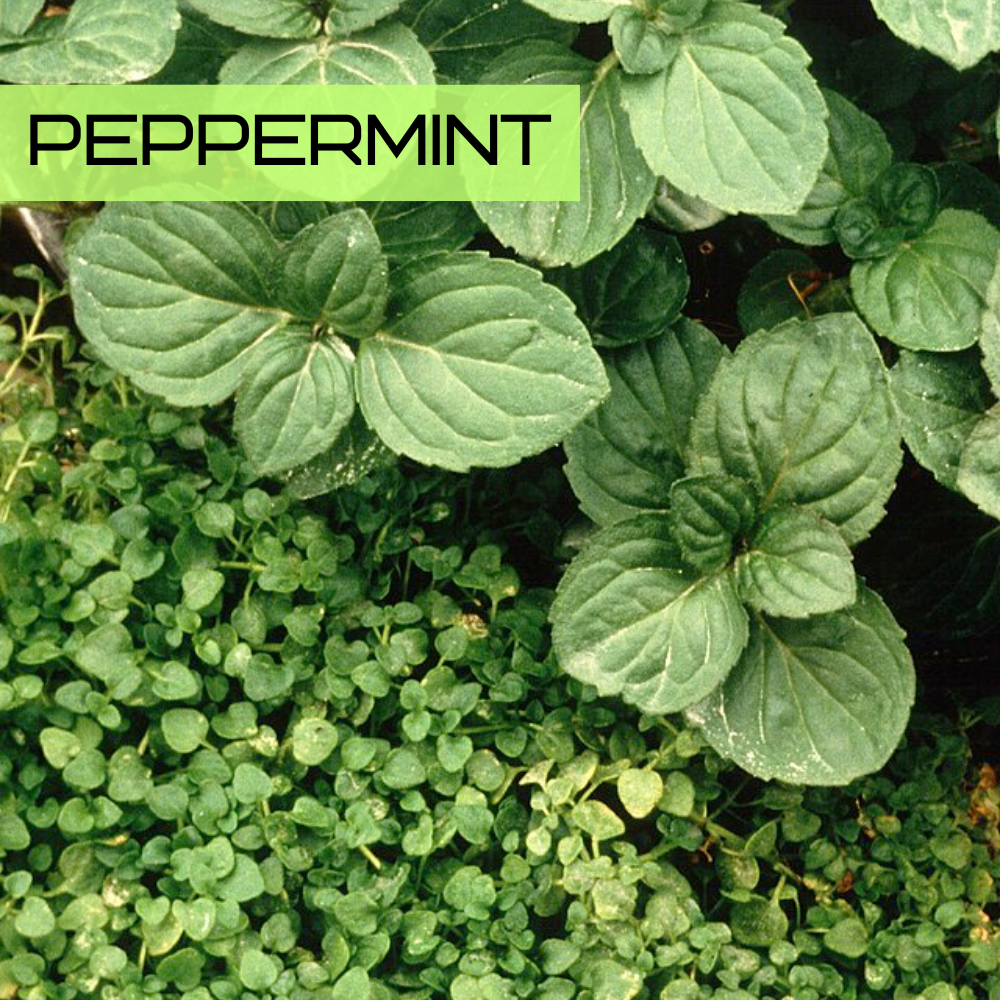
Peppermint needs little introduction. Its unmistakable menthol-rich aroma and cooling sensation have made it one of the most familiar herbs in kitchens, gardens, teas, candies, and medicine cabinets around the world. In summer, that cooling quality feels especially welcome, as even when it's served hot, peppermint tea can leave the mouth and throat with a fresh, almost chilled sensation.
Peppermint is also one of our classic digestive herbs. Its aromatic compounds have well-documented antispasmodic effects, particularly on the smooth muscle of the gastrointestinal tract, which helps explain its traditional use for bloating, gas, cramping, and mild digestive discomfort. This is part of why mint became so closely associated with the end of a meal. The bowl of peppermints by a restaurant door may be there primarily to freshen the breath, but the pairing of mint and digestion is much older than the candy itself. Across many food traditions, mint has long been served in teas, sauces, salads, and after-meal preparations to settle the stomach after rich food.
Menthol also creates the sensation of easier breathing by activating cold-sensitive receptors in the nose and airways. It does not literally open congested passages in the way a decongestant does, but the cooling sensation can make breathing feel clearer and more comfortable — one reason peppermint remains so common in steam preparations, chest rubs, and respiratory teas.
Peppermint is also associated with headache relief, although the strongest evidence is for diluted peppermint oil applied topically to the forehead and temples rather than tea itself. Still, slowly sipping a warm cup of peppermint can be soothing when tension, digestive discomfort, or sensory overload are contributing to a headache.
Brew note: Always cover peppermint tea while it steeps. Many of the aromatic compounds responsible for its characteristic flavor and effects are volatile, meaning they readily escape with steam. Keeping a lid or small plate over the cup helps trap those oils so they condense and fall back into the tea rather than disappearing into the room. A covered cup will usually taste noticeably more aromatic, vibrant, and distinctly peppermint than one left open.
Autumn Teas: Immune Preparation and Warming
As the light shortens and the air cools, the body begins its preparation for the stress of winter. Autumn teas focus on building immune resilience, delivering concentrated vitamins, and introducing warmth.
Elderberry (Sambucus nigra)
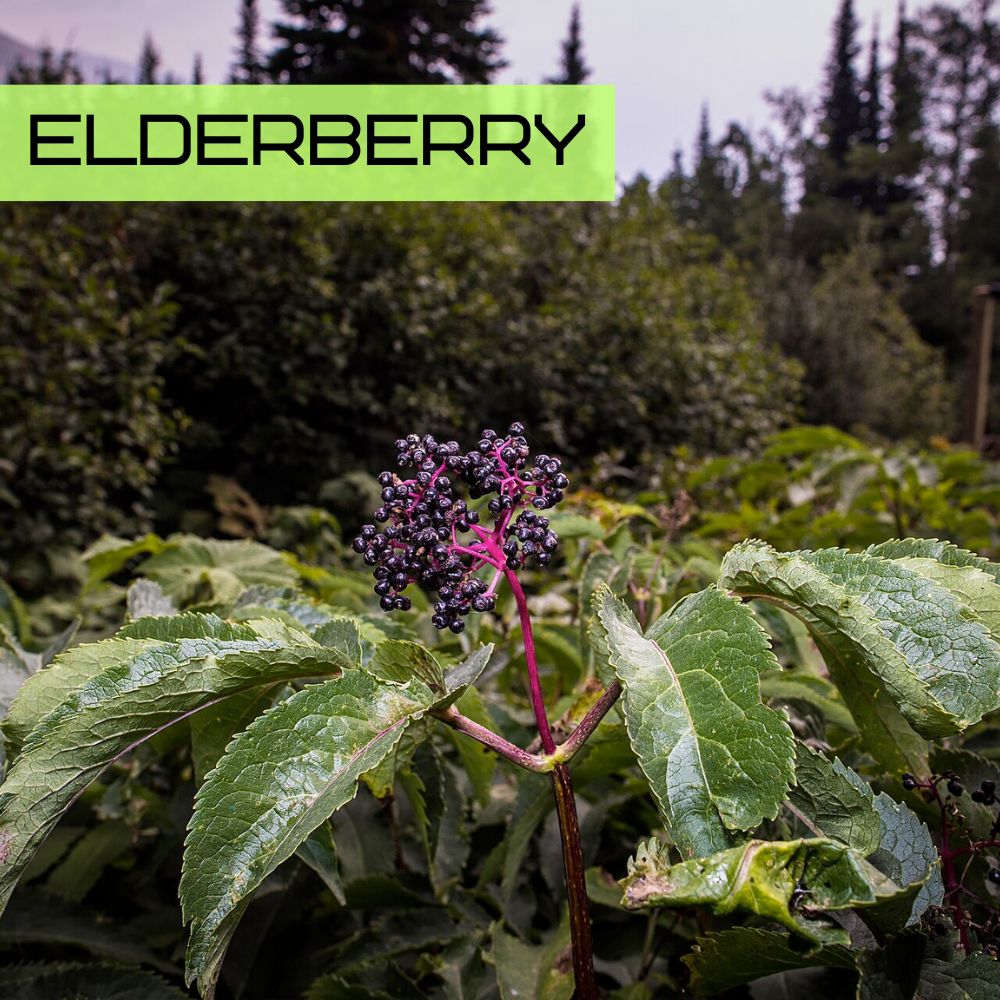
Elderberry has become something of a folk hero in recent years, and the attention is well-deserved, though it isn't new. The elder has been a hedgerow medicine chest across Europe for as long as anyone has kept records. Every part of the tree had a use, and the old lore held that you should ask the Elder Mother's permission before cutting a branch. The flowers go into cordials and fevers in early summer; the berries ripen in late summer and early fall and are put up for the cold months ahead.
The dark purple berries are rich in anthocyanins and flavonoids that have demonstrated antiviral activity in multiple studies. A 2019 meta-analysis published in Complementary Therapies in Medicine pooled four trials and found that elderberry supplementation significantly reduced the duration and severity of upper respiratory infections. The sample sizes were small and more work is needed, but the results line up with what people have been observing for a few hundred years: taken early, elderberry seems to shorten a cold or flu and take some of the edge off it.
Elderberry is typically prepared as a decoction (simmered, not just steeped) or as a syrup. For tea, gently simmer dried elderberries for 15–20 minutes, strain, and sweeten with raw honey if desired. For syrup, simmer the berries with water until reduced by about half, strain, cool, and stir in honey; a spoonful a day through the winter is the usual dose, more often at the first sign of a cold. Adding a cinnamon stick, a few cloves, or a knob of ginger to the pot is traditional and makes it taste less like medicine.
Important: Raw elderberries, bark, leaves, and seeds contain cyanogenic glycosides and must always be cooked before consumption. Eating the berries straight off the tree will make you sick, and the syrup you buy at the store has been cooked for a reason. Heat breaks the compounds down, so a properly simmered decoction or syrup is safe. If you're foraging, make sure you have black or American elder (Sambucus nigra or S. canadensis) and not red elder, whose berries are toxic even cooked, and strip the berries from the stems before simmering.
Rosehip (Rosa canina and other species)
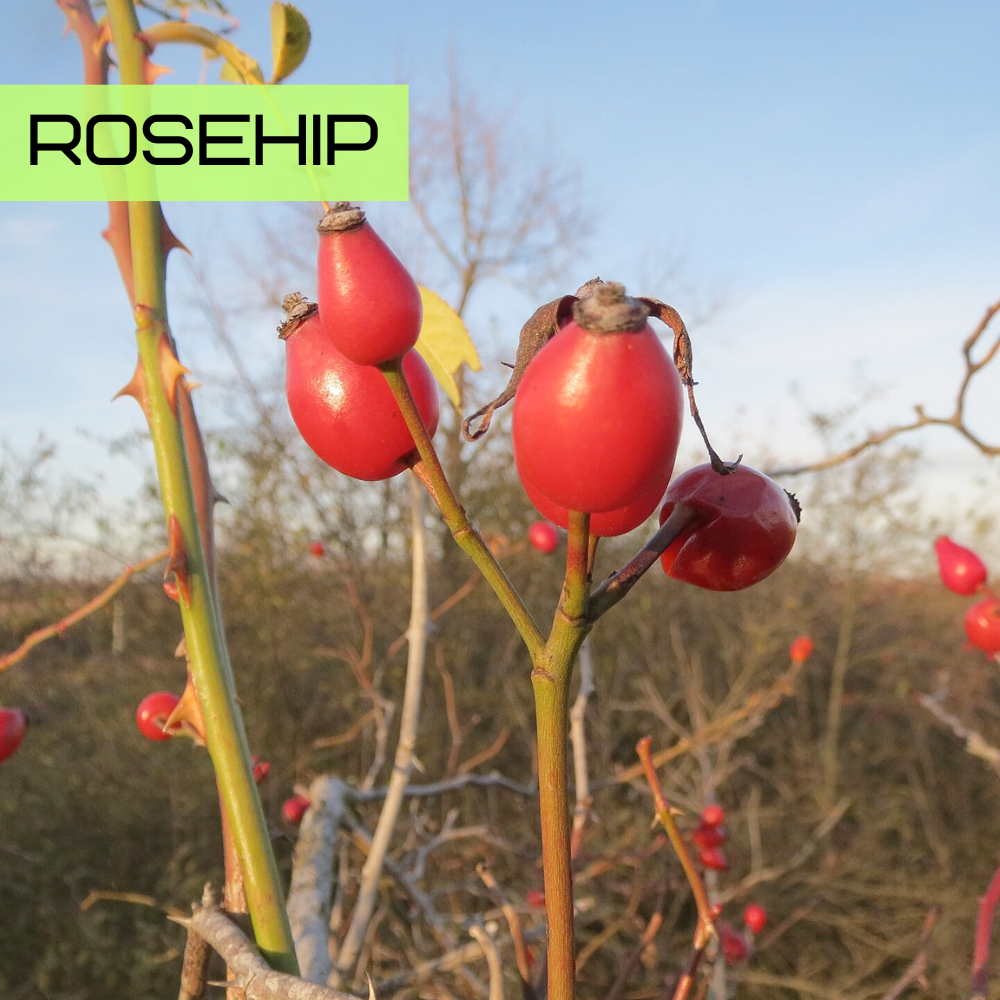
After roses finish blooming, they leave behind one final gift: the rosehip, the small red-orange fruit that forms where the flower once was. Easy to overlook beneath the drama of the blossom, rosehips are one of the clearest examples of a plant shifting from beauty into nourishment as the season changes.
Rosehips are especially well known for their vitamin C content. Depending on the species, growing conditions, freshness, and processing, they can contain dramatically more vitamin C by weight than oranges, which is part of why they became so valued in traditional food and herbal preparations. They also contain carotenoids, vitamin E, flavonoids, and other antioxidant compounds, along with galactolipids that have been studied for their anti-inflammatory activity.
Traditionally, rosehips are gathered in late autumn, often after the first frost. The cold softens the fruit and can mellow some of its sharpness, making the flavor sweeter and more rounded. Their taste is pleasantly tart and fruity, somewhere between cranberry, apple, and a very mild floral note, with a brightness that feels perfectly suited to the colder edge of the year.
Rosehip tea blends especially well with other deeply colored fruits and flowers. Hibiscus amplifies its tartness and crimson color, while elderberry adds a darker, richer fruitiness. Together, they make the kind of tea that feels almost like drinking the landscape as it moves from late summer into autumn.
If harvesting rosehips yourself, choose fruit from unsprayed roses and remove the irritating hairs surrounding the inner seeds before using them in food or tea. Those tiny hairs were once even used as a natural itching powder, so they are something you definitely want strained or cleaned away.
Ginger (Zingiber officinale)
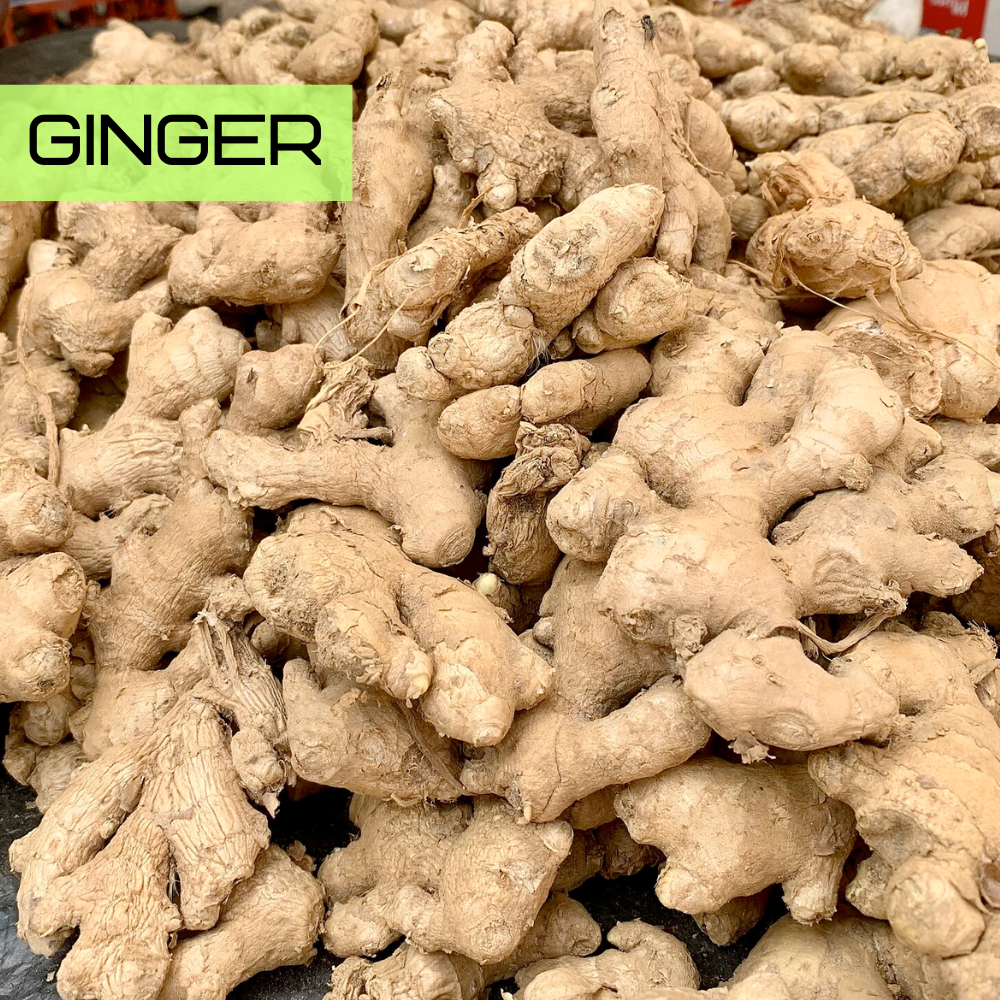
As autumn turns toward winter, ginger (Zingiber officinale) becomes one of the season's most natural companions. Where summer herbs often cool and disperse, ginger brings warmth back toward the center. Its pungent, spicy root has been used for centuries across Asian and Middle Eastern healing traditions to kindle digestion, ease nausea, encourage circulation, and bring warmth to cold hands and feet.
Fresh ginger root, sliced thin and gently simmered for 10–15 minutes, produces a warming decoction that is brighter and more invigorating than a simple infusion. The longer it simmers, the deeper and spicier it becomes. Paired with lemon and honey, it makes one of the simplest cold-weather remedies that's sharp enough to wake the senses, warm enough to settle the body, and especially comforting when the air turns damp and cold.
Ginger is particularly well known for its effects on nausea. Modern research supports its use for several forms of nausea, including pregnancy-related nausea and postoperative nausea, while its traditional reputation as a digestive herb stretches much further back. Its pungent compounds can also encourage gastric movement and help ease the heavy, stagnant feeling that sometimes follows rich winter meals.
Much of ginger's anti-inflammatory activity is attributed to compounds called gingerols and shogaols. These constituents appear to influence several inflammatory signaling pathways in the body, including some of the same enzyme systems affected by common NSAIDs such as ibuprofen. That does not make ginger a botanical equivalent of an NSAID, but it helps explain why regular ginger consumption has been studied for inflammatory pain, including osteoarthritis and muscle soreness.
Ginger also has a distinctly circulatory quality. The warmth you feel after drinking a strong cup is not merely symbolic; its pungent compounds can increase the sensation of peripheral warmth and support healthy blood flow. This makes ginger especially suited to the colder months, when the body naturally turns inward and many of us instinctively reach for foods and herbs that warm from within.
There is something deeply seasonal about ginger tea in late autumn, from steam rising from the cup, the first sharp sip catching in the throat, to the warmth slowly spreading outward. It is a simple way of meeting winter on its own terms but by tending to the fire inside of you.
Winter Teas: Deep Immune Support and Adaptation
Winter demands the strongest allies to support the physiological stress of cold, darkness, and the peak of respiratory virus season.
Echinacea (Echinacea purpurea and E. angustifolia)

Echinacea is one of the best-known herbs for seasonal immune support. Traditionally, it is used at the very first signs of illness, starting with the faint scratch in the throat, the sudden heaviness behind the eyes, that unmistakable sense that something just isn't quite right in your body. Rather than acting as a simple "immune booster," echinacea appears to influence several parts of the innate immune response, including the activity of certain white blood cells and immune-signaling pathways.
Clinical research has been mixed, but some studies suggest that certain echinacea preparations may modestly reduce the severity or duration of common cold symptoms, particularly when taken near the onset of illness. Its effects appear to depend heavily on the species used, the plant part, the preparation, and the dose, which helps explain why studies have not always agreed with one another.
Echinacea is also commonly used preventively during cold and flu season, although its role here is less straightforward. Some research suggests a modest reduction in recurrent respiratory infections, while traditional herbal practice often favors using it in shorter, purposeful periods rather than as an herb taken indefinitely every day. The older advice to "cycle" echinacea is more a matter of herbal tradition than a firmly established medical requirement, as it's generally thought of as an herb for moments when the immune system needs attention, rather than something that must become a permanent daily ritual.
Echinacea is not a dramatic herb in flavor, but it is earthy, slightly bitter, and faintly electric on the tongue. For tea, dried echinacea root can be combined with the flowering tops. The root gives the preparation more of its characteristic medicinal intensity, while the aerial parts add a lighter, more herbaceous quality. Because the root is tougher than the leaves and flowers, it benefits from a gentle simmer rather than a simple quick steep.
One of echinacea's most distinctive qualities is the tingling, slightly numbing sensation it can leave on the tongue. This comes largely from compounds called alkamides, which are among the constituents thought to contribute to echinacea's effects on immune signaling. In traditional herbalism, a strong tingling sensation was often taken as a sign of a potent preparation.
Pine Needle (Pinus spp.)
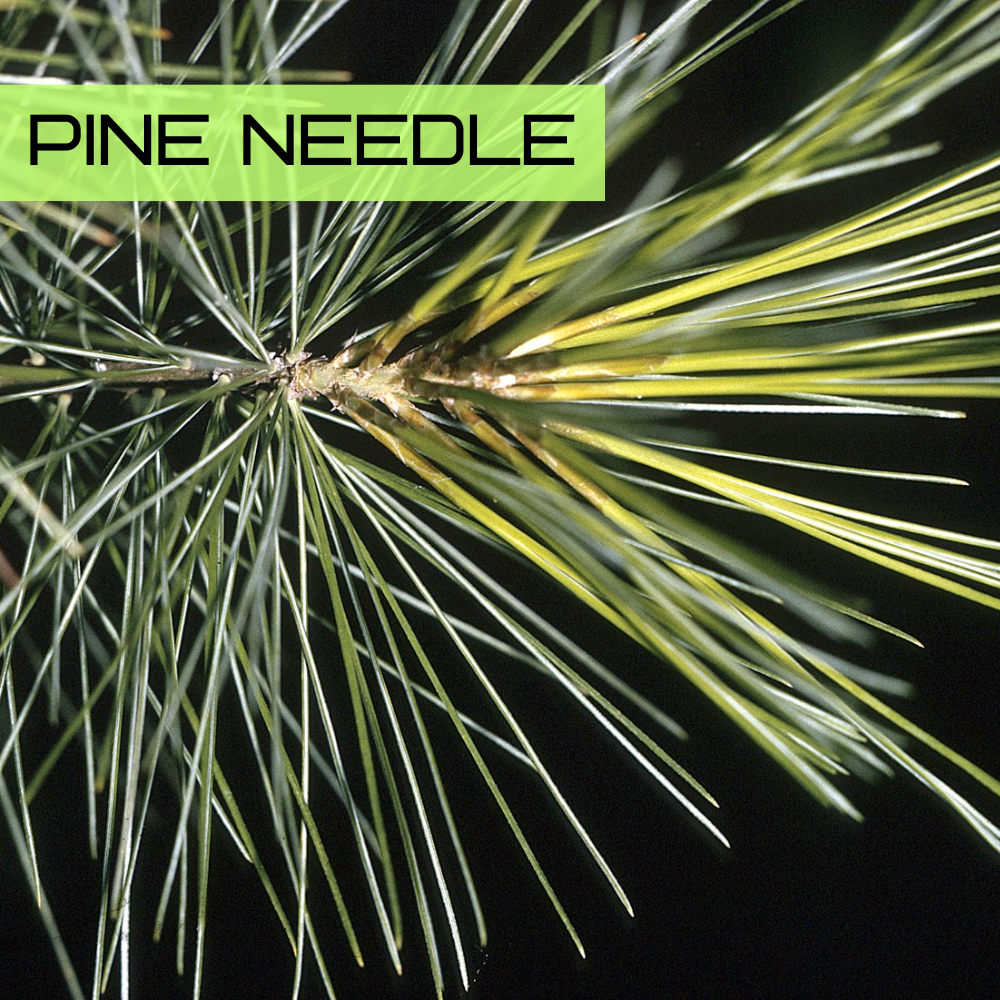
In the depth of winter, when most of the landscape has gone dormant, the evergreens remain awake. Their needles stay vivid against bare branches and snow, offering one of the few fresh wild ingredients that can still be gathered during the coldest months of the year.
The needles of certain correctly identified edible conifers — including eastern white pine (Pinus strobus) — have traditionally been brewed into tea and are a source of vitamin C. Eastern white pine in particular has a long history of use as a winter tea, including for preventing vitamin C deficiency when fresh fruits and vegetables were scarce.
Pine needles also contain a fascinating variety of plant compounds, which differ considerably from one species to another. Among compounds sometimes discussed in connection with conifers is shikimic acid, a naturally occurring molecule found throughout the plant kingdom. Shikimic acid is especially interesting because it can be used as a starting material in the manufacture of oseltamivir, better known as Tamiflu. This does not mean pine tea acts like Tamiflu — the pharmaceutical is a separately synthesized antiviral drug — but it is a beautiful example of how plant chemistry can become the foundation for modern medicine.
As a tea, fresh evergreen needles make something surprisingly delicate. The flavor is bright, resinous, citrusy, and distinctly forest-like, almost as if the scent of walking beneath conifers after a snowfall has been translated into a drink. Depending on the tree and the age of the needles, the flavor can range from softly lemony to deeply resinous.
To prepare pine needle tea, gather a small handful of fresh green needles from a positively identified edible species growing away from roadsides, sprayed landscapes, and other sources of contamination. Rinse them, chop them into smaller pieces to expose more surface area, then pour freshly boiled water over them after removing it from the heat. Cover and steep for around 10–15 minutes before straining. Boiling the needles themselves can make the resulting tea unpleasantly resinous or turpentine-like. A little honey can soften the resinous edge, although a good white pine tea often needs very little.
Wildcrafting note: Never assume that a tree is edible simply because it has needles or looks like a pine. Conifers can be surprisingly difficult to distinguish when you are first learning them, and some look-alikes are dangerous. Yew (Taxus spp.) is toxic and should never be made into tea. Ponderosa pine (Pinus ponderosa) also contains compounds associated with significant toxicity and is best avoided for this purpose. Pine needle tea is also traditionally avoided during pregnancy.
Ornamental conifers should not be used unless you have independently confirmed the exact species and its safety. If you are uncertain of your identification, consult a reputable field guide, local extension resource, or experienced forager before harvesting. With wild plants, certainty is part of the medicine.
Tulsi / Holy Basil (Ocimum tenuiflorum)
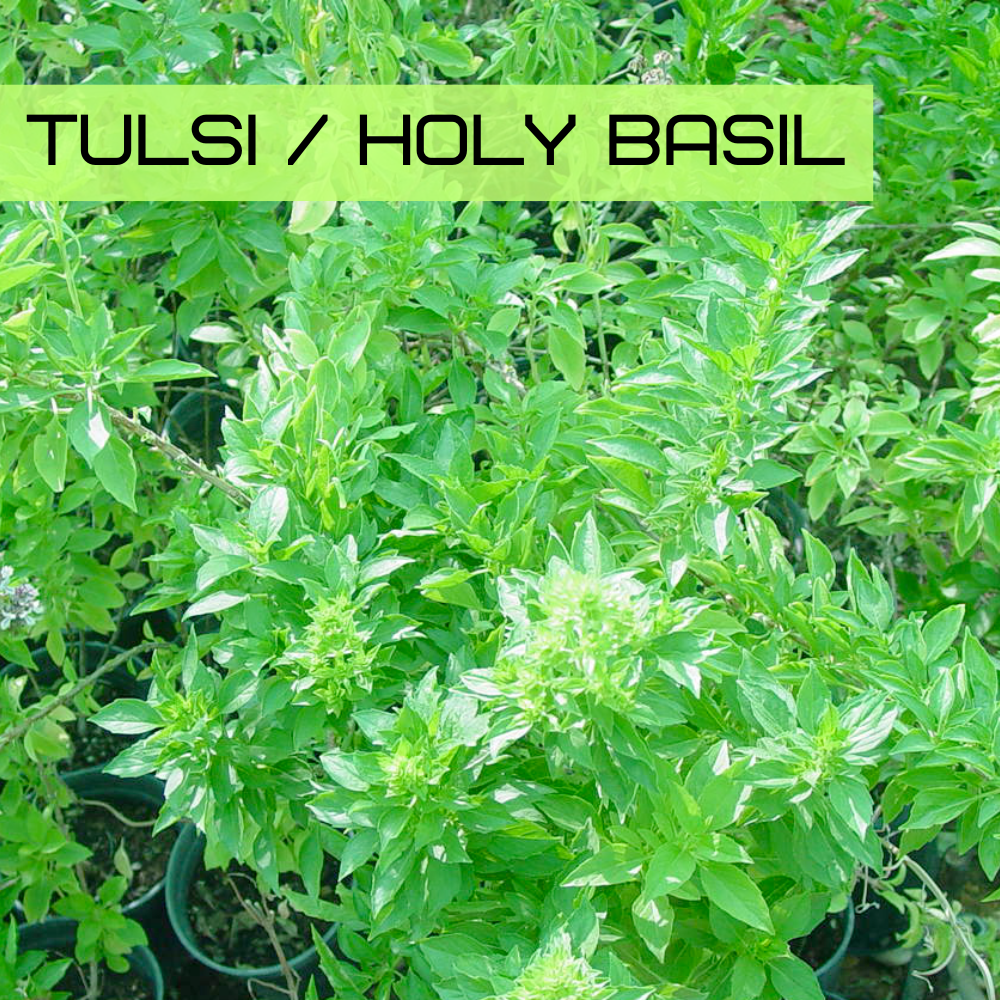
Tulsi (Ocimum tenuiflorum), also known as holy basil, holds a place in Ayurveda that goes far beyond ordinary culinary herbs. It has been cultivated in India for centuries not only as medicine, but as a sacred household plant, often grown near homes and temples and treated as a symbol of protection, purification, and devotion.
In Ayurvedic tradition, tulsi is considered a rasayana, which is a rejuvenating herb associated with resilience, vitality, and long-term well-being. In modern herbal language, it is often described as an adaptogen, meaning it may help the body respond more effectively to physical and emotional stress and return toward balance after periods of strain.
Rather than acting like a stimulant or sedative, tulsi tends to have a more regulating quality. It can feel gently uplifting when the mind is dull or depleted, but calming when stress is running high. Research has begun to explore its effects on stress, blood sugar regulation, inflammation, immune function, and mood, although its traditional use is much broader than any single modern category.
Tulsi is also rich in aromatic compounds that contribute to its antimicrobial and anti-inflammatory activity. Its essential oils contain constituents such as eugenol, which help explain its spicy, clove-like undertones and some of its traditional uses for digestion, respiratory support, and general resilience.
Three main types are commonly encountered in herbal gardens and medicinal preparations. Rama tulsi has green leaves and a mild, balanced flavor. Krishna tulsi develops darker purple foliage and tends to be more peppery, spicy, and intense. Vana tulsi has a wilder, more lemony and aromatic character. Their chemistry and flavor profiles vary, but all three make beautiful herbal teas.
Tulsi is also remarkably generous in the garden. Given warmth, sun, and regular harvesting, it branches readily and produces leaf after leaf through the summer. Pinching back the growing tips encourages a fuller plant and delays flowering, giving you even more material for tea.
It is one of the easiest medicinal herbs to grow in a home garden, and a single healthy plant can provide enough leaves for fresh tea throughout the warm months with plenty left over to dry for winter.
Fresh tulsi tea is intensely aromatic, somewhere between basil, clove, mint, pepper, and citrus depending on the variety. Dried tulsi becomes softer and warmer, making it especially well suited to the colder months.
How to Properly Brew Herbal Teas
The difference between a medicinally potent herbal tea and flavored hot water often comes down to technique.
Leaves and flowers (nettle, peppermint, lemon balm, tulsi): Use water just off the boil (200–212°F / 93–100°C). Steep 10–15 minutes minimum, covered. For mineral-rich herbs like nettle, steep up to 4 hours.
Roots, bark, and seeds (ginger, echinacea root, elderberry): These require a decoction — simmering in water for 15–30 minutes, covered. Simple steeping will not extract their deeper compounds.
Delicate aromatics (lemon balm, chamomile): Always cover the vessel while steeping. Volatile essential oils are the first thing to escape as steam, and they are often the most medicinally active constituents.
General ratios: Use 1–2 tablespoons of dried herb (or 2–3 tablespoons fresh) per 8 ounces of water. For a strong medicinal infusion, use 1 ounce (about 1 cup loosely packed) of dried herb per quart of water.
Water quality matters. Chlorinated tap water can interfere with extraction and alter flavor. Filtered or spring water is preferable.
Drying and Storing Herbs for Year-Round Teas
Proper drying preserves the color, aroma, and medicinal quality of your herbs. The goal is simple: remove moisture quickly enough to prevent mold, but gently enough to protect the plant's more delicate compounds.
Air drying is the easiest method. Tie herbs into small bundles and hang them upside down in a warm, dry, well-ventilated place away from direct sunlight. Most leafy herbs dry within about 5–10 days, depending on humidity. They are ready when the leaves feel crisp and the stems snap rather than bend.
Dehydrator drying is faster and more dependable in humid weather. Spread herbs in a single layer and dry them at a low temperature, usually around 95–105°F / 35–40°C, until completely crisp. Aromatic herbs benefit from staying on the lower end of that range to better preserve their volatile oils.
Storage: Once fully dry, remove the leaves from the stems and store them in airtight glass jars in a cool, dark cupboard. Label each jar with the herb name and harvest date. Most dried herbs keep good flavor and potency for roughly 12–18 months, though aromatic herbs may begin fading sooner.
A simple freshness test is to crush a small amount between your fingers. If the herb still has a strong color, scent, and recognizable flavor, it still has life in it. If it smells like little more than dry grass, it is probably time to replace it.
Safety: What Every Herbal Tea Drinker Should Know
Herbal does not mean harmless. Plants contain biologically active compounds, and responsible herbalism means knowing when a tea may not be appropriate for you.
Medications: Some of the herbs discussed here can interact with medications. Echinacea may theoretically interfere with immunosuppressant drugs, while ginger may warrant additional caution for people taking blood-thinning medications. Hibiscus may also add to the effects of medications that lower blood pressure. If you regularly take prescription medication, check with a pharmacist or healthcare professional before using medicinal-strength herbal preparations.
Pregnancy and nursing: Safety depends heavily on the herb, preparation, and dose. Ginger has been relatively well studied for pregnancy-related nausea, while much less is known about medicinal amounts of herbs such as echinacea, peppermint, hibiscus, and tulsi during pregnancy or breastfeeding. When pregnant or nursing, medicinal-strength herbal teas are best discussed with a knowledgeable healthcare professional rather than assuming that "natural" means pregnancy-safe.
Allergies: Echinacea and dandelion belong to the Asteraceae family, alongside plants such as ragweed and daisies. People with strong allergies to related plants should introduce them cautiously, as allergic reactions to echinacea in particular have been documented.
Wildcrafting: Pine needle tea requires absolute confidence in identification. Never make tea from an unidentified evergreen simply because it resembles a pine; toxic conifers and unsuitable species can look deceptively similar.
Quality matters: Buy herbs from reputable suppliers with good species identification and contaminant-testing practices. When wild harvesting dandelion, nettle, rosehips, pine, or other plants, choose clean areas away from roadsides, pesticides, and contaminated soil.
Disclaimer: This guide is for educational purposes only and is not a substitute for medical care. Do not stop or replace prescribed medication with herbal remedies without professional guidance. If you are pregnant, nursing, taking medication, or managing a chronic health condition, seek individualized advice before beginning regular medicinal use of herbs.
Tea as Daily Ritual, Tea as Quiet Revolution
Wellness culture loves to sell self-care back to us in $40 bottles, branded powders, and monthly subscription boxes. Meanwhile, a bag of dried nettle leaf costs a few dollars or a short hike, with plenty to store for later.
Grow lemon balm on a windowsill and brew a cup on an anxious afternoon, harvest dandelion greens in spring, or dry tulsi from the summer garden for winter. In doing so, you are participating in something much older than the modern wellness industry. Humans have always watched what grew around them, tasted carefully, remembered what helped, and passed that knowledge forward.
This is solarpunk at its most practical: not a distant technological future, but a quieter kind of abundance built from knowledge, seasonality, and greater autonomy over the things that sustain us.
Welcome to your personal apothecary.
Frequently Asked Questions About Herbal Tea
What herbal tea is good for anxiety?
Lemon balm and tulsi are two herbal teas commonly used for stress and mild anxiety. Lemon balm is a calming nervine traditionally used for nervousness and restlessness, while tulsi is considered an adaptogenic herb that may help the body respond to stress. Lemon balm is especially nice in the evening because it is calming without being strongly sedating.
What herbal tea is best for digestion?
Peppermint and ginger are two of the best-known herbal teas for digestion. Peppermint can help with bloating, gas, and digestive cramping, while ginger is particularly useful for nausea and sluggish digestion. Bitter herbs such as dandelion can also stimulate digestive secretions and are traditionally eaten or brewed before or alongside meals.
Can you drink herbal tea every day?
Many gentle herbal teas can be enjoyed regularly, but whether an herb is appropriate every day depends on the plant and the person. Peppermint, lemon balm, tulsi, and nettle are commonly consumed as everyday teas. Medications, pregnancy, allergies, health conditions, and the strength of the preparation can all affect whether regular use is appropriate.
How long should herbal tea steep?
Most herbal teas made from leaves and flowers should steep for about 10–15 minutes. Keep the cup covered while steeping, especially with aromatic herbs such as peppermint and lemon balm. Tougher roots and plant material, such as ginger or echinacea root, are usually simmered for 15–30 minutes instead.
Should you cover herbal tea while it steeps?
Yes, especially when brewing aromatic herbs such as peppermint, lemon balm, or tulsi. Covering the tea helps keep volatile aromatic compounds from escaping with the steam. A lid, saucer, or small plate placed over your mug is enough.
What are the easiest herbs to grow for tea?
Mint, lemon balm, tulsi, nettle, chamomile, and dandelion are some of the easiest herbs to grow for homemade tea. Mint and lemon balm are particularly vigorous, while tulsi can produce repeated harvests throughout summer. Many tea herbs can also be grown in containers, so you do not need a large garden to start a home apothecary.
Written by E. Silkweaver, founder of Futurespore.