 Amada44 / Public domain · Source
Yard-long bean
Vigna unguiculata subsp. sesquipedalis
Overview
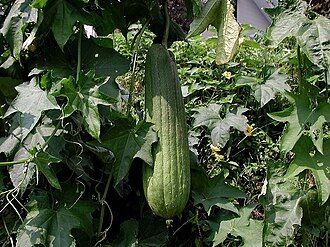
A vigorous tropical legume that produces remarkably long, slender pods — often 18-30 inches — that are a staple of Southeast Asian and Chinese cuisine. Despite the common name, the pods are best harvested before reaching a full yard in length, when they're still tender and snappy. They thrive in hot, humid conditions where traditional green beans struggle.
How to Grow Yard-long bean
Plant it in rich, well-drained, warm loam, at a slightly acidic pH of 6–7.
Exact sowing, transplanting, and harvest months shift by climate zone — the planting calendar below lays them out for cool through hot regions. Match it to the right spot, and the rest is mostly patience.
Companion Planting & Soil
Yard-long bean grows well alongside corn, squash, sunflower, and marigold — but keep it clear of onion, garlic, and fennel.
Good Companions
Avoid Planting Near
Planting Calendar
When to sow, transplant, and harvest by growing zone.
| Zone | Action | Months | Notes |
|---|---|---|---|
| Cold (1-2) | Start Indoors | Apr — May | Start indoors 3-4 weeks early; tropical bean; annual |
| Cold (1-2) | Transplant | Jun — Jun | Transplant after all frost; needs pole or trellis to 8 feet |
| Cold (1-2) | Harvest | Jul — Sep | Pick at 12-18" before seeds swell; harvest every 2 days |
| Cool (3-4) | Direct Sow | May — Jun | Direct sow after soil reaches 65°F; provide tall trellis |
| Cool (3-4) | Harvest | Jul — Sep | Harvest young; overripe pods become fibrous |
| Moderate (5-7) | Direct Sow | May — Jul | Direct sow when soil is warm; beans grow 12-18" long |
| Moderate (5-7) | Harvest | Jul — Oct | Pick frequently to prolong production |
| Warm (8-9) | Direct Sow | Mar — Jul | Direct sow spring through summer; heat-loving |
| Warm (8-9) | Harvest | May — Oct | Long harvest; pick when pencil-thin for best texture |
| Hot (10+) | Direct Sow | Feb — Aug | Sow spring through late summer; thrives in heat and humidity |
| Hot (10+) | Harvest | Apr — Nov | Harvest regularly; outstanding in stir-fry |
Uses
In the Kitchen
In the kitchen, yard-long bean turns up in more than one form: stir-fried with garlic and chili in Asian cuisine; chopped into curries and coconut-based stews; blanched and served in salads with peanut dressing.
Medicinal & Folk Use
In herbal and folk tradition, it has been valued in several ways: rich in protein and folate; good source of vitamin C and iron; fiber-rich for digestive health. These are traditional uses, not medical advice.
Beyond the Garden
Yard-long bean earns its keep past the plate, too: heat-loving alternative to bush beans for tropical gardens; vigorous ornamental vine for trellises.
The Field Library
Books from the Futurespore shelf that go deeper on plants like this one.
- The Forager's Harvest identification, harvest windows, and preparation from someone who eats what he teaches
- Gaia's Garden home-scale permaculture — guilds, food forests, and beds that tend themselves
These are Bookshop.org affiliate links — they support independent bookstores and earn Futurespore a small commission at no extra cost to you. Browse the full Futurespore Bookshelf.