Lemon verbenaWhen to plant, zone by zone
Aloysia citrodora
Overview
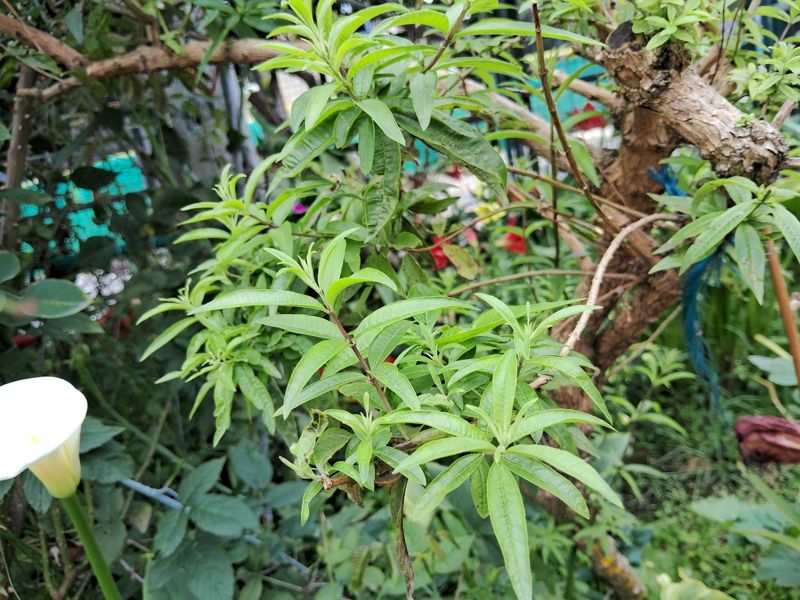
A South American shrub with the most intensely lemony fragrance of any plant — far more concentrated than lemon itself. A single crushed leaf releases an intoxicating citrus aroma that lingers on the fingers. In mild climates it grows into an impressive shrub; in cold areas it makes an excellent container plant brought indoors for winter.
How to Grow Lemon verbena
Plant it in well-drained, moderately fertile, loamy soil, at a slightly acidic pH of 6–7.
Exact sowing, transplanting, and harvest months shift by climate zone — the planting calendar below lays them out for cool through hot regions. Match it to the right spot, and the rest is mostly patience.
Companion Planting & Soil
Lemon verbena grows well alongside rosemary, lavender, and basil.
Good Companions
Planting Calendar
When to sow, transplant, and harvest by growing zone.
| Zone | Action | Months | Notes |
|---|---|---|---|
| Cold (1-2) | Start Indoors | Mar — Apr | Start from cuttings indoors; grow as annual or container plant — not frost hardy |
| Cold (1-2) | Transplant | Jun — Jun | Move outdoors after last frost; bring in before first fall frost |
| Cold (1-2) | Harvest | Jun — Sep | Harvest leaves anytime; strongest lemon scent of any herb; excellent dried |
| Cool (3-4) | Transplant | May — Jun | Transplant after frost; deciduous — drops leaves naturally in fall |
| Cool (3-4) | Harvest | Jun — Sep | Cut sprigs for tea, desserts, and potpourri |
| Moderate (5-7) | Transplant | Apr — May | Plant in spring; full sun; lean soil intensifies fragrance |
| Moderate (5-7) | Harvest | May — Oct | Harvest through growing season; dry leaves retain scent for years |
| Moderate (5-7) | Prune | Mar — Apr | Cut back by half in spring; new growth emerges from woody stems |
| Warm (8-9) | Transplant | Mar — Apr | Plant in spring; can become large shrub (6-8 ft) in mild climates |
| Warm (8-9) | Harvest | Apr — Nov | Long harvest season; strip leaves before fall leaf drop |
| Hot (10+) | Transplant | Feb — Mar | Plant in late winter; grows quickly; provide afternoon shade in desert heat |
| Hot (10+) | Harvest | Mar — Nov | Harvest from spring through fall |
Lemon verbena Questions
When should you plant Lemon verbena?
Cold (1-2) — start indoors March–April, transplant June–June; Cool (3-4) — transplant May–June; Moderate (5-7) — transplant April–May; Warm (8-9) — transplant March–April; Hot (10+) — transplant February–March. Shift these with your own last-frost date; the full table sits in the planting calendar below.
When is Lemon verbena ready to harvest?
Cold (1-2) — June–September; Cool (3-4) — June–September; Moderate (5-7) — May–October; Warm (8-9) — April–November; Hot (10+) — March–November.
Is Lemon verbena edible?
Yes — edible parts: Leaves (tea and infusions).
What grows well with Lemon verbena?
Rosemary, Lavender, and Basil.
Uses
In the Kitchen
In the kitchen, lemon verbena turns up in more than one form: herbal tea with intense lemon flavor; infused into cream, custard, and ice cream; chopped into fruit salads and cocktails.
Medicinal & Folk Use
In herbal and folk tradition, it has been valued in several ways: digestive and calming tea traditionally used after meals; antioxidant compounds support immune function; traditional South American remedy for fever and congestion. These are traditional uses, not medical advice.
Beyond the Garden
Lemon verbena earns its keep past the plate, too: intensely aromatic container plant for patios; dried leaves retain scent for months in sachets.
The Field Library
Books from the Futurespore shelf that go deeper on plants like this one.
- Gaia's Garden home-scale permaculture — guilds, food forests, and beds that tend themselves
- The Resilient Gardener growing staple food through drought, flood, and hard seasons
These are Bookshop.org affiliate links — they support independent bookstores and earn Futurespore a small commission at no extra cost to you. Browse the full Futurespore Bookshelf.