 Wikimedia Commons contributors / Public domain · Source
Pigeon pea
Cajanus cajan
Overview
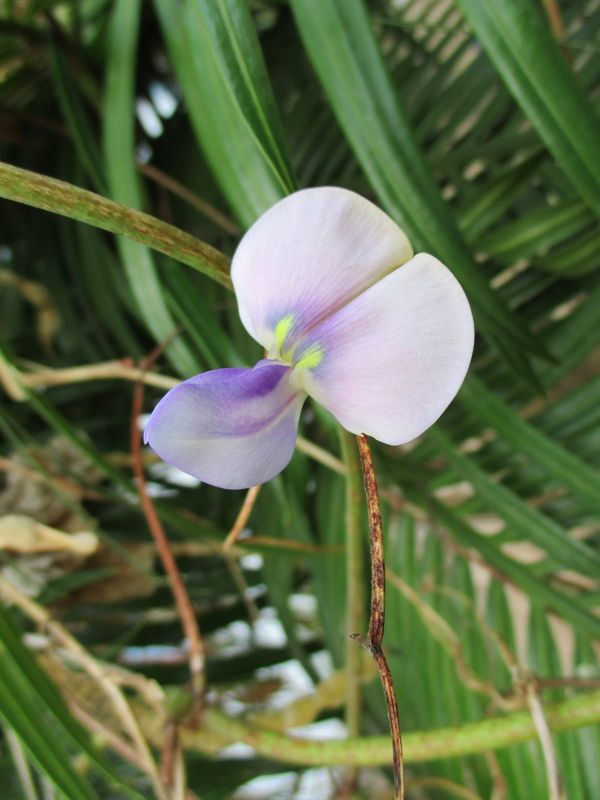
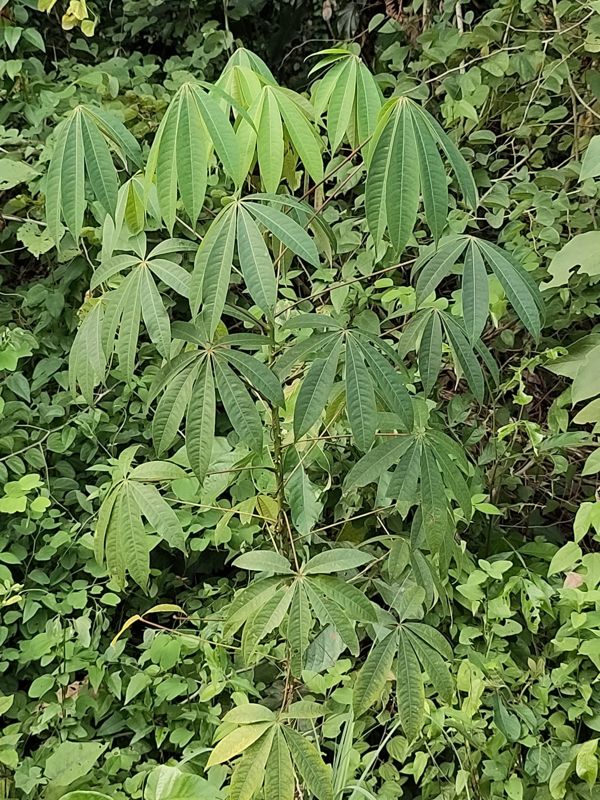
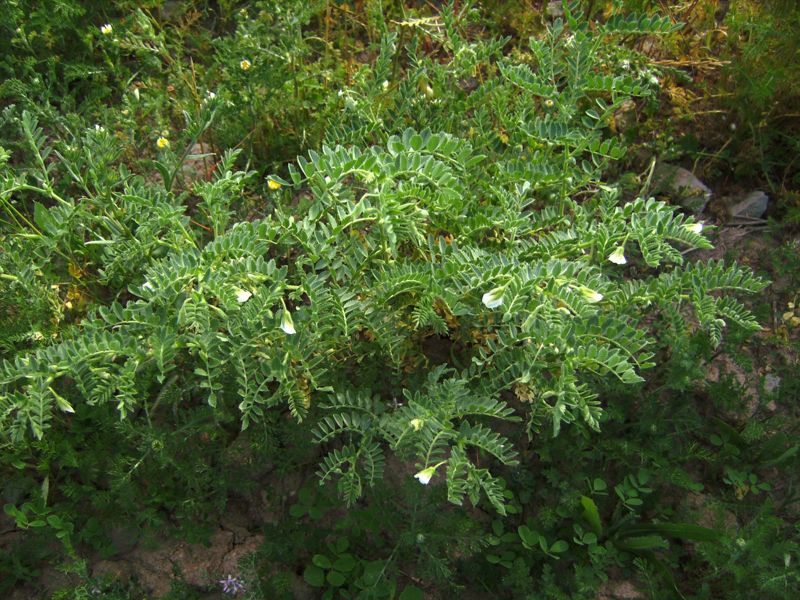
A tropical perennial legume that is a staple pulse crop for over a billion people, particularly in India, Africa, and the Caribbean. Pigeon peas are remarkably drought-tolerant, nitrogen-fixing, and productive — they can yield food, livestock fodder, and firewood from a single plant. In Caribbean cooking, they're essential in rice and peas, while in India they form the base of the everyday dal known as toor dal.
How to Grow Pigeon pea
Plant it in well-drained soil; thrives in poor, dry conditions, at a slightly acidic pH of 5–7.
Exact sowing, transplanting, and harvest months shift by climate zone — the planting calendar below lays them out for cool through hot regions. The details above are a starting point — your ground will teach you the rest.
Companion Planting & Soil
Pigeon pea grows well alongside sorghum, millet, corn, and sweet potato.
Good Companions
Planting Calendar
When to sow, transplant, and harvest by growing zone.
| Zone | Action | Months | Notes |
|---|---|---|---|
| Cold (1-2) | Start Indoors | Mar — Apr | Start indoors 6-8 weeks early; tropical perennial grown as annual; needs 120+ days |
| Cold (1-2) | Transplant | Jun — Jun | Transplant after all frost; may not mature in short seasons |
| Cool (3-4) | Direct Sow | May — Jun | Direct sow after last frost; grows as shrub to 5 feet |
| Cool (3-4) | Harvest | Sep — Oct | Harvest green pods for fresh peas; or dry on plant for dal |
| Moderate (5-7) | Direct Sow | Apr — May | Direct sow after frost; nitrogen-fixing legume; good permaculture plant |
| Moderate (5-7) | Harvest | Aug — Oct | Harvest green for fresh eating or dry for storage |
| Warm (8-9) | Direct Sow | Mar — May | Direct sow in spring; short-lived perennial in zones 9+ |
| Warm (8-9) | Harvest | Jul — Nov | Harvest fresh or dried; multiple flushes in long season |
| Hot (10+) | Direct Sow | Feb — Apr | Direct sow in spring; perennial shrub in tropical zones |
| Hot (10+) | Harvest | Jun — Dec | Harvest year-round from perennial plants; major protein crop worldwide |
Uses
In the Kitchen
In the kitchen, pigeon pea turns up in more than one form: toor dal — India's most popular everyday lentil dish; rice and peas in Caribbean cuisine; young green pods eaten as a vegetable.
Medicinal & Folk Use
In herbal and folk tradition, it has been valued in several ways: high in protein, fiber, and folate; leaves traditionally used for wound healing poultices; rich in iron and B vitamins. These are traditional uses, not medical advice.
Beyond the Garden
Pigeon pea earns its keep past the plate, too: nitrogen-fixing agroforestry crop; windbreak and living fence in tropical systems; drought-resistant food security crop.
The Field Library
Books from the Futurespore shelf that go deeper on plants like this one.
- Edible Wild Plants a photographic guide organized by season — good for checking an ID twice in the field
- The Resilient Gardener growing staple food through drought, flood, and hard seasons
These are Bookshop.org affiliate links — they support independent bookstores and earn Futurespore a small commission at no extra cost to you. Browse the full Futurespore Bookshelf.