 Rasbak / CC BY-SA 3.0 · Source
Radicchio
Cichorium intybus var. foliosum
Overview
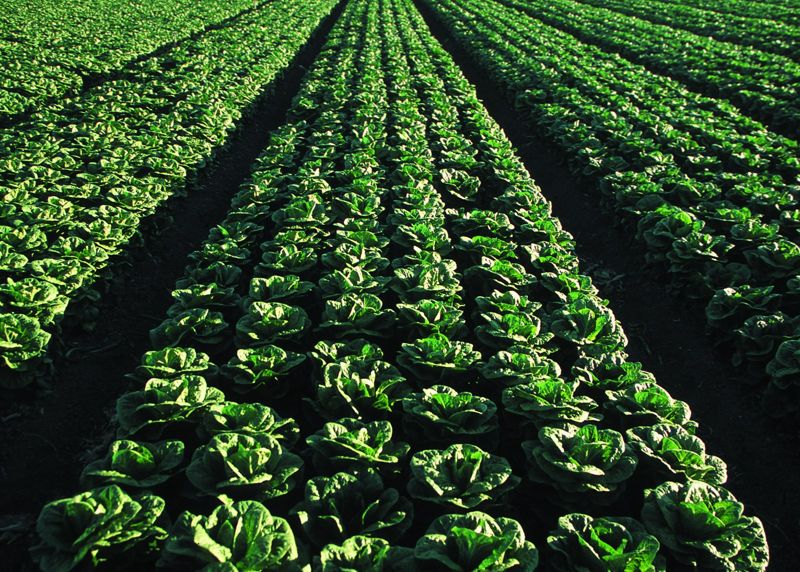
A striking, ruby-red Italian chicory with a bold, pleasantly bitter flavor that mellows beautifully when grilled or roasted. Radicchio is a cornerstone of Northern Italian cuisine, especially in the Veneto region where different cities have their own named varieties. Its bitter compounds stimulate digestion, and its dramatic color makes it a visual standout in salads and on the plate.
Growing Conditions
How to Grow Radicchio
Radicchio (Cichorium intybus var. foliosum) is an annual forb/herb that grows to about 12 inches tall and 12 inches wide.
To grow radicchio, give it full sun, though it tolerates a little shade. It is hardy across USDA hardiness zones 4–9. Plant it in rich, well-drained, moist soil, at a slightly acidic pH of 6–7. It does best with even, moderate watering.
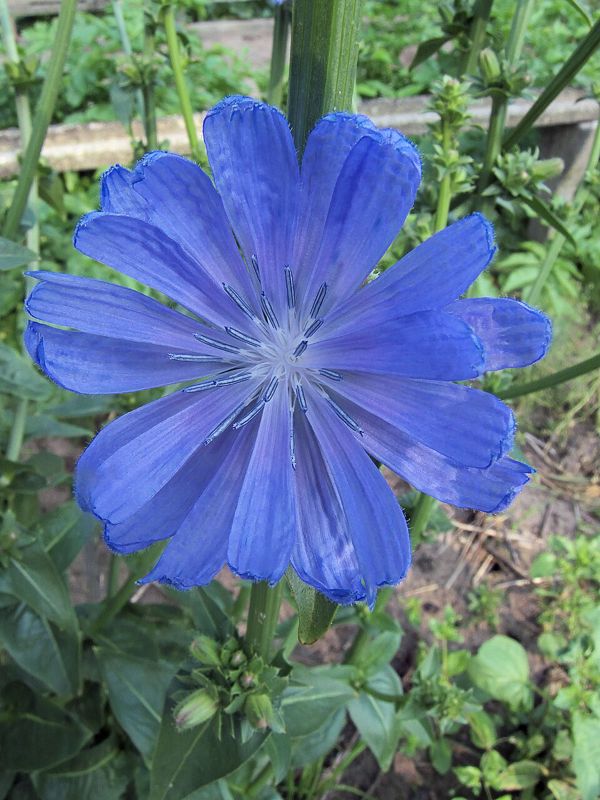
Exact sowing, transplanting, and harvest months shift by climate zone — the planting calendar below lays them out for cool through hot regions. Its flowers appear from June through September, offering high value to pollinators. Food and forage in one stand — plant it where both you and the pollinators can reach.
Companion Planting & Soil
Radicchio grows well alongside carrot, fennel, onion, and endive.
Good Companions
Planting Calendar
When to sow, transplant, and harvest by growing zone.
| Zone | Action | Months | Notes |
|---|---|---|---|
| Cold (1-2) | Start Indoors | Mar — Apr | Start indoors 4-6 weeks before last frost; or direct sow after frost |
| Cold (1-2) | Direct Sow | Jun — Jul | Direct sow midsummer for fall harvest; heads form as days shorten |
| Cold (1-2) | Harvest | Aug — Oct | Cut heads when firm; frost sweetens and reduces bitterness |
| Cool (3-4) | Direct Sow | Apr — May | Direct sow in spring; thin to 10" apart |
| Cool (3-4) | Direct Sow | Jul — Aug | Summer sow for fall harvest; heads form with cool nights |
| Cool (3-4) | Harvest | May — Jun | Harvest spring heads; or wait for superior fall crop |
| Cool (3-4) | Harvest | Sep — Nov | Fall harvest after cool nights intensify color |
| Moderate (5-7) | Direct Sow | Mar — Apr | Spring sow; choose forcing types for tighter heads |
| Moderate (5-7) | Direct Sow | Jul — Aug | Fall crop; best flavor comes with cool autumn nights |
| Moderate (5-7) | Harvest | Apr — May | Spring harvest |
| Moderate (5-7) | Harvest | Sep — Nov | Fall harvest — superior flavor |
| Warm (8-9) | Direct Sow | Sep — Oct | Fall sow for winter harvest; heat causes bitterness |
| Warm (8-9) | Harvest | Nov — Feb (wraps) | Harvest through winter |
| Hot (10+) | Direct Sow | Oct — Nov | Cool-season crop only |
| Hot (10+) | Harvest | Dec — Feb (wraps) | Winter harvest only |
Uses
In the Kitchen
In the kitchen, radicchio turns up in more than one form: grilled or roasted to mellow bitterness and caramelize; raw in salads for color and bitter counterpoint; risotto al radicchio — a Veneto classic.
Medicinal & Folk Use
In herbal and folk tradition, it has been valued in several ways: bitter compounds stimulate digestion and bile flow; rich in anthocyanins with anti-inflammatory properties; inulin prebiotic fiber feeds beneficial gut bacteria. These are traditional uses, not medical advice.
Beyond the Garden
Radicchio earns its keep past the plate, too: dramatic visual element in vegetable gardens and on the plate.
The Field Library
Books from the Futurespore shelf that go deeper on plants like this one.
- Edible Wild Plants a photographic guide organized by season — good for checking an ID twice in the field
- The Resilient Gardener growing staple food through drought, flood, and hard seasons
These are Bookshop.org affiliate links — they support independent bookstores and earn Futurespore a small commission at no extra cost to you. Browse the full Futurespore Bookshelf.