 Krzysztof Ziarnek, Kenraiz / CC BY-SA 4.0 · Source
Watercress
Nasturtium officinale
Overview
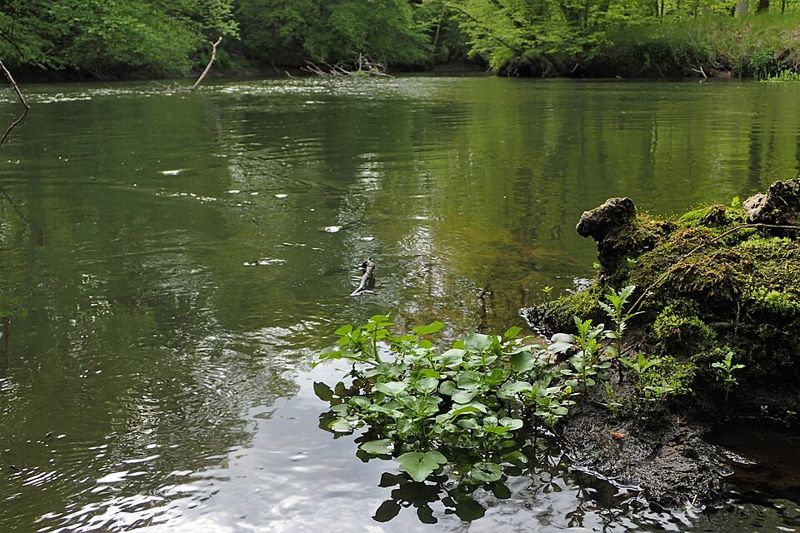
A peppery, aquatic green that grows wild in clean streams across much of the world, watercress was recently ranked as the single most nutrient-dense food by CDC researchers. Its sharp, mustard-like bite comes from glucosinolates, making it both a culinary delight and a cancer-fighting powerhouse. Watercress has been eaten since Roman times and can be easily grown in containers with continuously moist soil.
Growing Conditions
How to Grow Watercress
Watercress (Nasturtium officinale) is a perennial graminoid that grows to about 1.5 feet tall and 3 feet wide.
To grow watercress, give it full sun. It is hardy across USDA hardiness zones 6–10. Plant it in constantly wet, rich, slightly alkaline soil or clean running water, at a near-neutral pH of 6.5–7.5. It does best with consistently moist to wet soil.
Exact sowing, transplanting, and harvest months shift by climate zone — the planting calendar below lays them out for cool through hot regions. Its white flowers appear from May through September, offering high value to pollinators. Let a few flowers go by unpicked; the bees will thank you, and so will next season.
Companion Planting & Soil
Watercress grows well alongside mint and parsley.
Good Companions
Planting Calendar
When to sow, transplant, and harvest by growing zone.
| Zone | Action | Months | Notes |
|---|---|---|---|
| Cold (1-2) | Transplant | May — Jun | Transplant to stream edge or pot set in water tray; needs constant moisture |
| Cold (1-2) | Harvest | Jun — Sep | Cut stems above waterline; regrows quickly; best before flowering |
| Cool (3-4) | Direct Sow | Apr — May | Direct sow in very moist soil or shallow water; press seeds into surface |
| Cool (3-4) | Harvest | May — Oct | Harvest young shoots continuously; peppery flavor |
| Moderate (5-7) | Direct Sow | Mar — Apr | Sow in boggy soil or shallow water; roots from stem cuttings readily |
| Moderate (5-7) | Direct Sow | Sep — Oct | Fall sow for cool-season harvest |
| Moderate (5-7) | Harvest | Apr — Jun | Spring harvest; flavor turns bitter in heat |
| Moderate (5-7) | Harvest | Oct — Dec | Fall harvest |
| Warm (8-9) | Direct Sow | Sep — Nov | Fall through winter crop; bolts in spring heat |
| Warm (8-9) | Harvest | Oct — Mar (wraps) | Harvest through cool months |
| Hot (10+) | Direct Sow | Oct — Jan (wraps) | Cool-season only; grow in shade with standing water |
| Hot (10+) | Harvest | Nov — Feb (wraps) | Winter harvest; must have constant water |
Uses
In the Kitchen
In the kitchen, watercress turns up in more than one form: peppery addition to salads, sandwiches, and soups; classic watercress soup (potage au cresson); blended into pesto and compound butters.
Medicinal & Folk Use
In herbal and folk tradition, it has been valued in several ways: ranked #1 most nutrient-dense food by CDC nutrient density score; rich in glucosinolates with anti-cancer properties; extremely high in vitamins K, A, and C. These are traditional uses, not medical advice.
Beyond the Garden
Watercress earns its keep past the plate, too: aquatic or bog garden edible plant; natural water purifier in stream-fed systems.
Safety Notes
Garden or store watercress is safe. Wild watercress from streams that drain grazing land can carry liver-fluke cysts — a genuinely nasty parasite — so always cook wild-gathered watercress.
The Field Library
Books from the Futurespore shelf that go deeper on plants like this one.
- Medicinal Herbs: A Beginner's Guide the friendliest on-ramp to growing and using healing herbs at home
- The Forager's Harvest identification, harvest windows, and preparation from someone who eats what he teaches
- Gaia's Garden home-scale permaculture — guilds, food forests, and beds that tend themselves
These are Bookshop.org affiliate links — they support independent bookstores and earn Futurespore a small commission at no extra cost to you. Browse the full Futurespore Bookshelf.